Backpacking Utah's Mighty 5: A Trail-by-Trail Guide to the Ultimate Desert Loop
Why Visit
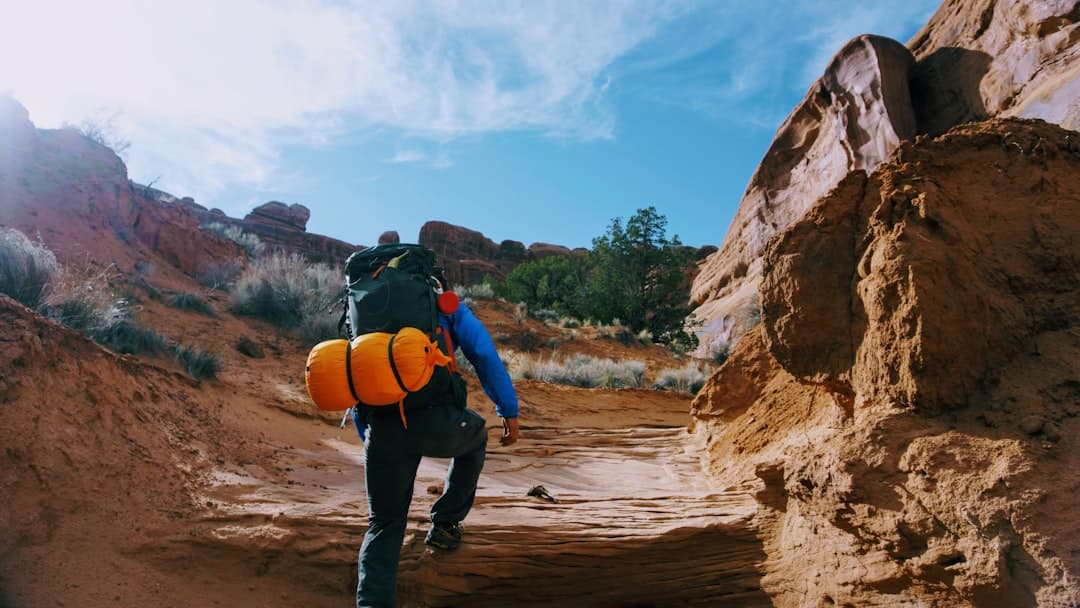
Five national parks, roughly 700 miles of connecting highway, and every kind of desert terrain the American Southwest has to offer — that's the Mighty 5. Start in the slot canyons of Zion, climb into the hoodoo amphitheaters of Bryce Canyon at 8,000 feet, cross the sandstone waterpockets of Capitol Reef, drop into the Needles District of Canyonlands where fins of rock rise like a stone forest, and finish under the sandstone arches of Arches National Park outside Moab. This isn't a scenic drive with a few pull-offs. It's a backpacker's circuit where every stop has a permit system, a water problem to solve, and a trail worth three days of your vacation.
What makes this loop worth doing in the cold months rather than July is simple math: summer temperatures in Canyonlands and Arches regularly hit 100°F on exposed sandstone with zero shade, while a well-timed November or March trip drops daytime highs into the 50s and 60s — genuinely pleasant hiking weather — and clears out 70% of the crowds that jam the Zion shuttle and Delicate Arch trailhead all summer. The tradeoff is real: you need better gear, tighter permit planning, and a solid grasp of where water actually exists in the desert in winter. This guide covers all three.
Quick Facts
When to Visit
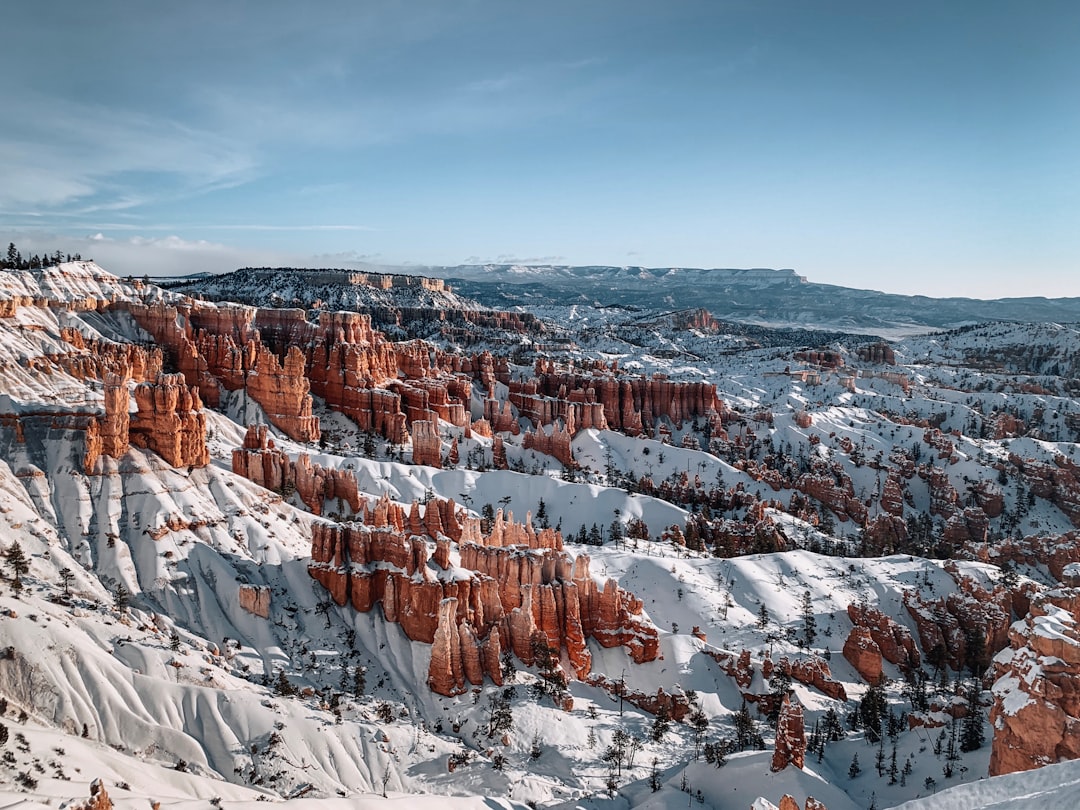
Winter is the loop's best-kept secret and its trickiest logistical puzzle. From late November through mid-March, Zion's park shuttle stops running and you can drive your own car up Zion Canyon Scenic Drive — a rare treat that lets you stop wherever you want along the Virgin River. Daytime temperatures in Zion and Moab hover in the 40s and 50s°F, while nighttime lows can drop below freezing, so a three-season bag rated to 20°F is the minimum, not the maximum. Bryce Canyon, sitting above 8,000 feet, gets genuine snow — the Rim Trail and Navajo Loop turn into a dreamy, near-empty snowshoe circuit through vermilion hoodoos capped in white, but you'll want microspikes (Kahtoola MICROspikes, about $70) for the icy switchbacks.
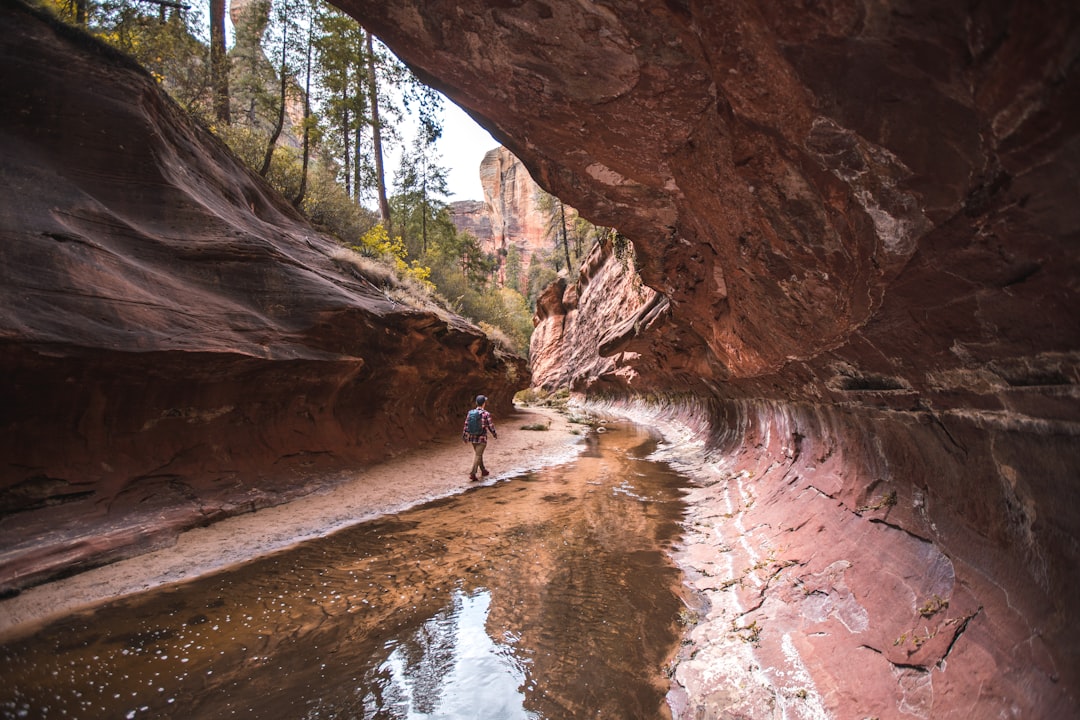
The Zion Narrows deserves special mention: the Virgin River runs cold enough from October through April that a dry-suit rental is mandatory gear, not an option. Zion Adventure Company and Zion Outfitter in Springdale rent full dry-suit packages (dry suit, neoprene socks, canyoneering boots, wooden walking stick) for $55–$65 per day, and honestly, doing the bottom-up day hike in a dry suit in January with nobody else on the trail is a completely different experience than the shoulder-to-shoulder summer version. Canyonlands and Arches, by contrast, are at their most comfortable in winter — Chesler Park and the Joint Trail in the Needles District bake at 100°F+ in June but sit in the crisp 50s in December, ideal for the exposed sandstone scrambling those trails demand. The one hard rule: check road conditions before committing to Cathedral Valley in Capitol Reef or the Needles' unpaved approach roads, since a single overnight snowfall can make clay-based dirt roads impassable for days.
Discover Southeast Asia with Cordelie Travel
Handcrafted itineraries for Bali, Thailand, Vietnam, and beyond. Expert local guides, boutique hotels, and authentic experiences.
Plan Your TripBali Temple & Beach
10-day cultural immersion with private guide
From $2,499Vietnam North to South
14-day journey from Hanoi to Ho Chi Minh
From $3,199Thailand Islands
7-day island-hopping adventure
From $1,899Top Experiences
Zion's Narrows is the marquee hike of the entire loop, and it comes in two forms. The bottom-up day version starts at the Temple of Sinawava shuttle stop (or, in winter, a self-drive pullout) and lets you wade upstream as far as Big Spring, about 5 miles round-trip, no permit required. The full top-down Narrows through-hike — 16 miles from Chamberlain's Ranch to the Temple of Sinawava — is genuinely a bucket-list backcountry route and requires a wilderness permit ($15–$20 booked via recreation.gov up to three months ahead) plus a shuttle arrangement with Zion Adventure Company to reach the remote trailhead. Do not attempt either version if flash flood potential is above moderate; check the daily forecast posted at the Zion Canyon Visitor Center.
In Bryce Canyon, skip the crowded Sunrise Point overlook shuffle and hike the Fairyland Loop, an 8-mile trail rated moderate-to-strenuous that drops you into the amphitheater among hoodoos most day-trippers never see. Capitol Reef rewards the adventurous with Cathedral Valley, a 58-mile high-clearance 4WD loop through cathedral-like monoliths — arrange a permit-free but essential campsite reservation at the six-site Cathedral Valley Campground (first-come, no fee) and bring your own water, since there is none reliably available on the loop. Canyonlands' Needles District holds the loop's best multi-day backpacking: the Chesler Park–Joint Trail loop (11 miles) threads through towering candy-striped spires and a slot so narrow you'll take your pack off to slide through. Backcountry permits for overnight stays in the Needles ($30 flat fee, reserved via recreation.gov) sell out for spring weekends within hours of release each January, so book the moment the window opens. Finish at Arches with the Devils Garden Primitive Loop, a 7.2-mile trail past seven arches including Landscape Arch and the rarely-visited Double O Arch — go at sunrise in winter and you'll likely have Delicate Arch's neighboring trails entirely to yourself.
Signature Sights Along the Loop
Where to Stay
Near Zion, Springdale is basecamp: Cable Mountain Lodge ($189–$260/night) sits directly across from the park entrance with canyon-view balconies, while budget travelers do well at the Zion Canyon Campground ($45/night for a tent site with river access). For a splurge, Under Canvas Zion runs safari-style heated glamping tents from $249/night through winter, with wood-burning stoves that make sub-freezing nights genuinely cozy. At Bryce, the historic Bryce Canyon Lodge (built 1924, inside the park, from $210/night) is the only in-park option and books out early even in winter; nearby Ruby's Inn in Bryce Canyon City is the reliable fallback from $110/night. Torrey, the gateway to Capitol Reef, is small — Capitol Reef Resort ($170–$220/night) has Conestoga-wagon-style rooms and teepees, while SkyRidge Inn offers a quieter B&B stay from $189/night with mountain views.
Moab anchors both Canyonlands and Arches and has the loop's widest range. Budget-conscious backpackers should book the Gonzo Inn ($139–$170/night, walkable to Main Street) or camp at Sand Flats Recreation Area ($20/night, no reservations, first-come). For a genuine luxury night after days on trail, Sorrel River Ranch Resort & Spa sits along the Colorado River 17 miles outside town with river-view suites from $399/night and an on-site spa built for exactly this kind of trail-worn recovery. If you'd rather have someone else handle the permit calendar, campsite bookings, and shuttle logistics across all five parks, a Cordelie travel advisor can lock in lodging and backcountry permits as a single coordinated itinerary rather than five separate scrambles.
Food & Culture
This corner of Utah sits in Washington, Garfield, Wayne, and Grand counties — mostly dry by local option, meaning beer and wine are served in restaurants but liquor selection can be limited outside Moab, which has a more permissive scene. Refuel after the Narrows at the Whiptail Grill in Springdale, a converted gas station serving a green chile pork enchilada plate for $18 that's become a post-hike ritual for guides in town. Zion Canyon Brew Pub pours its own Bearclaw Bock and serves a bison burger for $19. In Boulder, an hour past Capitol Reef, Hell's Backbone Grill is worth the detour — chef-owned, farm-driven, and famous for a Southwest-spiced trout dish ($34) sourced almost entirely from its own garden.
Moab's dining scene is the loop's most cosmopolitan stop: Antica Forma turns out wood-fired Neapolitan pizza (the Diavola, $19) using a mobile oven parked behind a food truck lot on Main Street, while Sabaku Sushi does a surprisingly good hamachi roll for a landlocked desert town ($16). Culturally, expect small-town Mormon heritage layered with a modern climbing-and-rafting guide culture — most gateway towns shut down early (9 or 10pm) even on weekends, so plan dinner reservations accordingly, and note that many restaurants in Springdale and Torrey close entirely from January through early March, so call ahead.
“Out here the silence has a texture — you can hear the wind carve the rock in real time, and in winter, you can actually hear yourself think about it.”
Getting Around
A rental car with real ground clearance is non-negotiable for this loop — a AWD SUV rather than a compact sedan, since Cathedral Valley and several Needles approach roads are unpaved and rutted. Zion runs its mandatory shuttle system from early February through late November; outside that window (roughly December through early February) you drive your own vehicle up Zion Canyon Scenic Drive, which is genuinely the best possible timing quirk for photographers and slow travelers. Bryce Canyon's shuttle is optional year-round and mostly unnecessary in winter when crowds are thin. Driving distances between parks: Zion to Bryce Canyon is 72 miles (about 1.5 hours via UT-9 and UT-89), Bryce to Capitol Reef is 121 miles (2.25 hours via Scenic Byway 12, one of the most spectacular drives in the state), and Capitol Reef to Moab (your base for both Canyonlands and Arches) is 148 miles (2.5 hours via UT-24 and I-70). Fill your tank at every opportunity — gas stations between Torrey and Moab are sparse, and cell service disappears for long stretches on UT-24 and inside all five parks' backcountry.
Sample Itinerary
Zion Canyon — The Narrows and Angels Landing
Fly into Las Vegas and drive 2.75 hours to Springdale, checking into Cable Mountain Lodge by early afternoon. Spend the first day acclimating with the 5.4-mile round-trip Emerald Pools Trail, an easy-to-moderate hike past three waterfall-fed pools that's a good gear-shakedown before tougher days ahead.
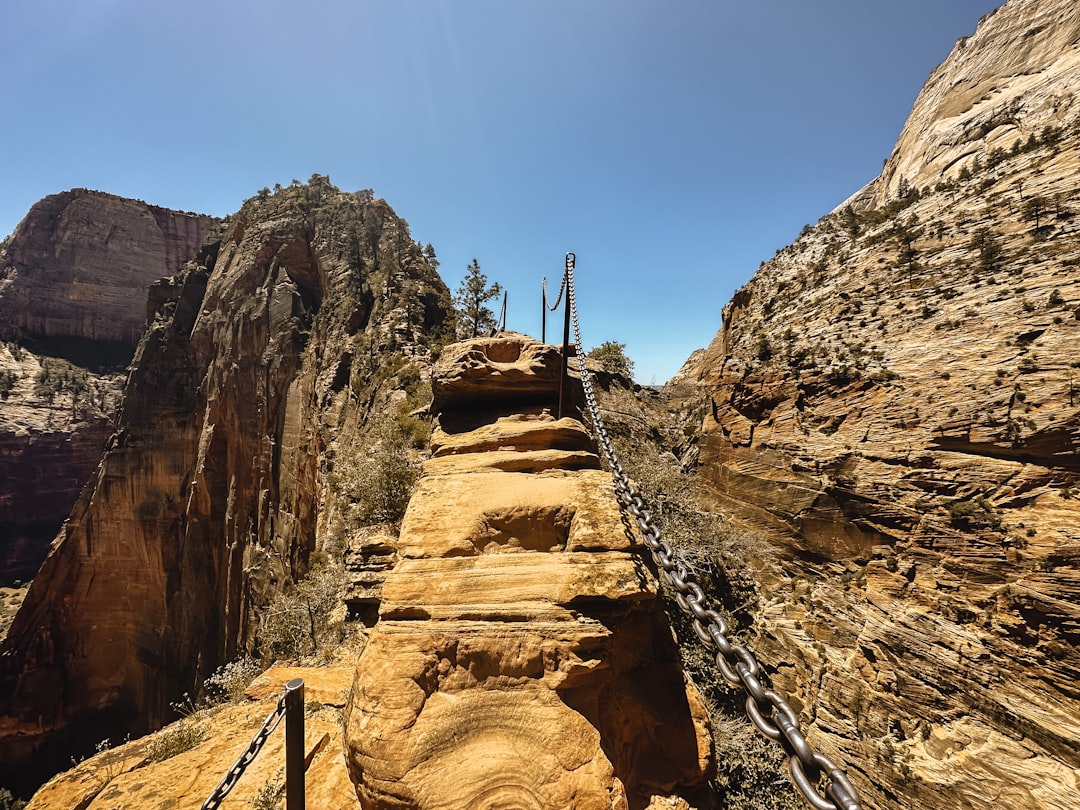
Rise early on day two for the bottom-up Narrows day hike from Temple of Sinawava — budget 4 to 6 hours in a rented dry suit, wading through waist-deep sections up to Big Spring and back. If your Angels Landing permit came through the recreation.gov lottery ($6 application, $3 permit fee), save it for day three: the final chained section along a 1,488-foot exposed ridge is genuinely adrenaline-heavy and best tackled fresh rather than on tired legs.
Bryce Canyon and Capitol Reef — Hoodoos to Waterpockets
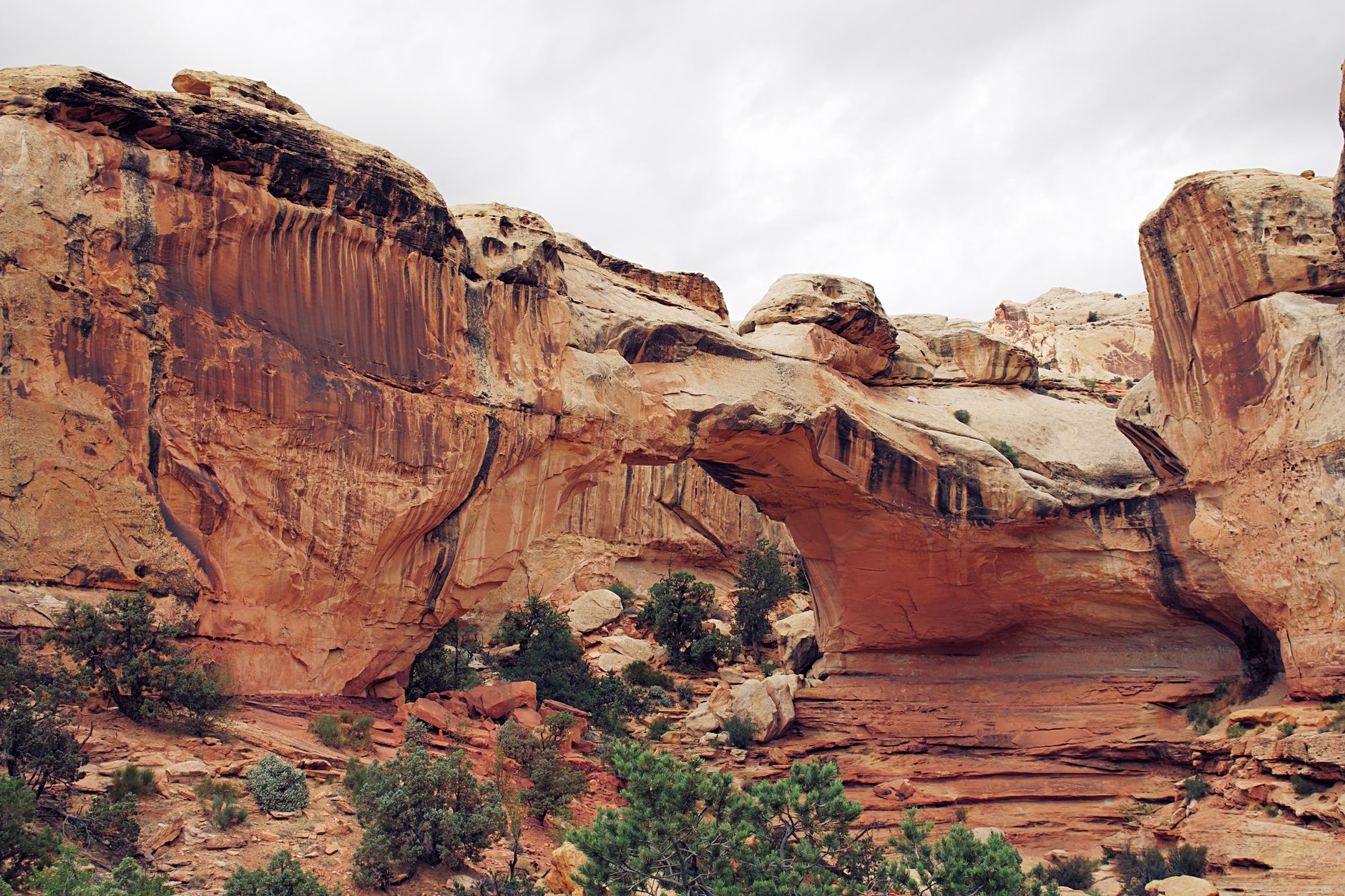
Drive to Bryce Canyon (1.5 hours) and check into Ruby's Inn. Spend the afternoon on the Fairyland Loop (8 miles, moderate-strenuous) with microspikes if snow is on the ground, watching the hoodoos shift color as the light drops.
Continue to Torrey via Scenic Byway 12 (2.25 hours, one of the loop's best drives) and settle at Capitol Reef Resort. Devote a full day to Cathedral Valley if you have a high-clearance 4WD — pack at least 4 liters of water per person, since none exists reliably along the 58-mile loop — or, for a shorter day, hike the Cassidy Arch Trail (3.4 miles round-trip, moderate) named for outlaw Butch Cassidy, who reportedly used the area as a hideout.
Canyonlands' Needles District and Arches Finale
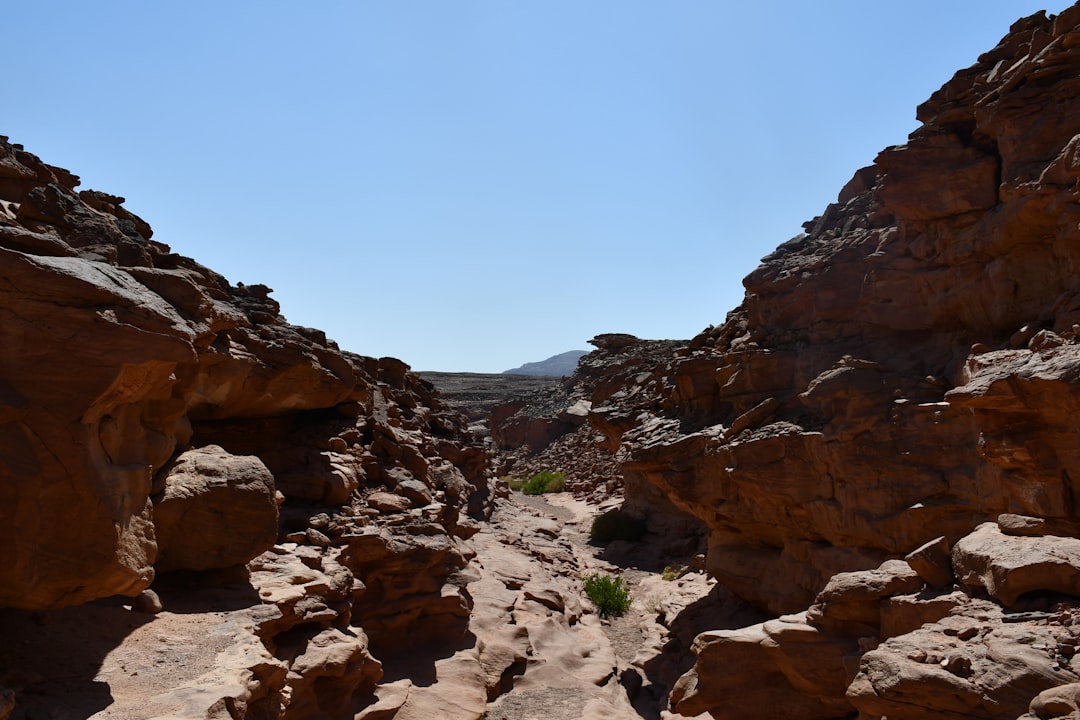
Drive to Moab (2.5 hours from Torrey) and check into Sorrel River Ranch or the Gonzo Inn. Head into the Needles District the next morning for the Chesler Park–Joint Trail loop (11 miles, strenuous), an overnight backpacking route if you booked a backcountry permit in advance, or a demanding single-day push if not. Carry a minimum of 4 liters of water per person — there is no reliable water source anywhere in the Needles.
Close the loop at Arches National Park with a pre-dawn start on the Delicate Arch Trail (3 miles round-trip, moderate, 480 feet of elevation gain over exposed slickrock) to catch first light with almost nobody else on the trail, then spend the afternoon on the Devils Garden Primitive Loop (7.2 miles) past Landscape Arch and Double O Arch before driving back to Salt Lake City (3.75 hours) or Grand Junction, Colorado (2 hours) for your departure flight.
Backcountry permits for the Zion Narrows through-hike, Angels Landing, and the Needles District all release on different schedules months apart, and the best campsite windows for Cathedral Valley and Sand Flats disappear fast once shoulder-season travelers catch on. A Cordelie travel advisor can build the entire loop — permits, shuttle bookings, lodging across all five gateway towns, and even the dry-suit rental in Springdale — into one coordinated itinerary booked in the right sequence, so you're not refreshing recreation.gov at 8am trying to beat a permit release window.
Reach out at https://cordelie.com/contact and tell them your target month; for the Mighty 5 loop, six to nine months of lead time gives you the best shot at every permit on this list.
At a Glance: Utah's Mighty 5 Loop
The best multi-park desert backpacking circuit in the American Southwest, and dramatically better in the cold months than in summer's triple-digit heat.
Budget 10 to 14 days, a high-clearance rental vehicle, and real cold-weather gear including a 20°F-rated sleeping bag, microspikes, and a dry suit for the Narrows. Book backcountry permits for the Zion Narrows through-hike and the Canyonlands Needles District as early as the release windows allow — both sell out for prime shoulder-season dates.
Late October through early December and March through early May deliver the sweet spot: cool hiking temperatures, thinned-out crowds, and self-drive access to Zion Canyon during the shuttle's off-season. Bring water for every mile you plan to hike in Cathedral Valley or the Needles — there is none out there to find.
Cordelie Travel Advisor Tip
Planning a trip like this? Our experienced travel advisors can help you design the perfect itinerary, find the best deals, and handle all the details.
Talk to a Travel AdvisorDiscover Southeast Asia with Cordelie Travel
Handcrafted itineraries for Bali, Thailand, Vietnam, and beyond. Expert local guides, boutique hotels, and authentic experiences.
Plan Your TripBali Temple & Beach
10-day cultural immersion with private guide
From $2,499Vietnam North to South
14-day journey from Hanoi to Ho Chi Minh
From $3,199Thailand Islands
7-day island-hopping adventure
From $1,899
Adventure travel writer and outdoor enthusiast. From hiking the Andes to diving in the Maldives, Marcus covers the world's most thrilling destinations with practical, safety-conscious advice.