Hakone's Ryokans Ranked for Private Onsen Baths and Mt. Fuji Views This Winter
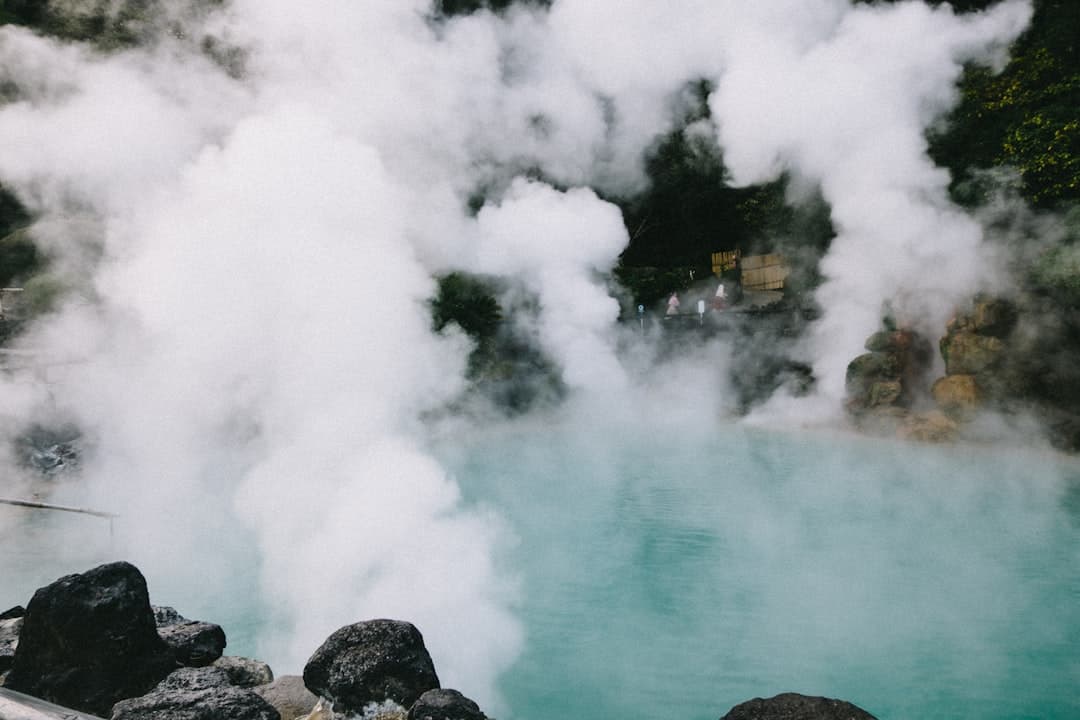
Kyoto gets the reputation for ryokan culture, but Hakone was built for it. This is a volcanic caldera less than 90 minutes from Shinjuku Station by Odakyu Romancecar, laced with hot spring water and, on a clear winter morning, aimed almost perfectly at Mt. Fuji. December through February is when the air over Sengokuhara and Lake Ashi is driest, which means the mountain shows up more reliably in a private bath here than it does in October's haze.
This list ranks seven properties on three things: whether the private bath is genuinely private rather than a shared tub with a curtain, whether the kaiseki dinner justifies the room rate, and whether a claimed Fuji view actually delivers one. Not every ryokan on this list has a Fuji sightline — Gora sits in an enclosed mountain valley that simply doesn't offer one — and we say so plainly rather than stretch the truth for a prettier sentence.
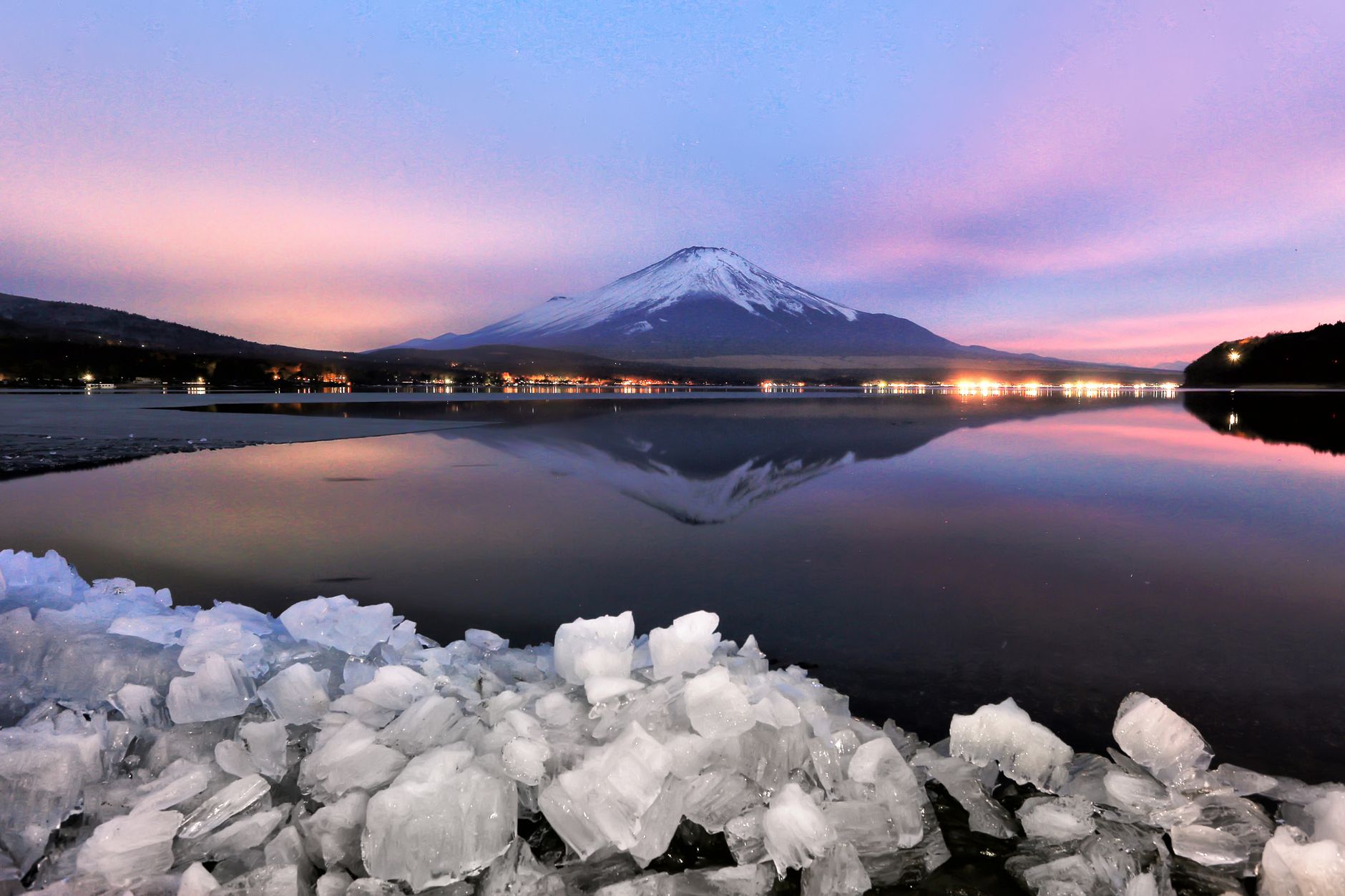
We weighted three factors: whether the private bath is attached to the room or villa rather than a shared onsen with reservable slots; whether the kaiseki course uses genuine local ingredients — Hakone beef, Sagami Bay fish, Kanagawa citrus — rather than a generic tasting menu; and whether any claimed Mt. Fuji view is unobstructed, verified through room-category floor plans rather than marketing photography.
We also factored practical booking reality — how far ahead a property typically fills for winter weekends — because a ryokan that looks perfect on paper is worth little if it's unreachable without months of lead time.
Hakone Ginyu
Sengokuhara's cliffside ryokan built entirely around the view
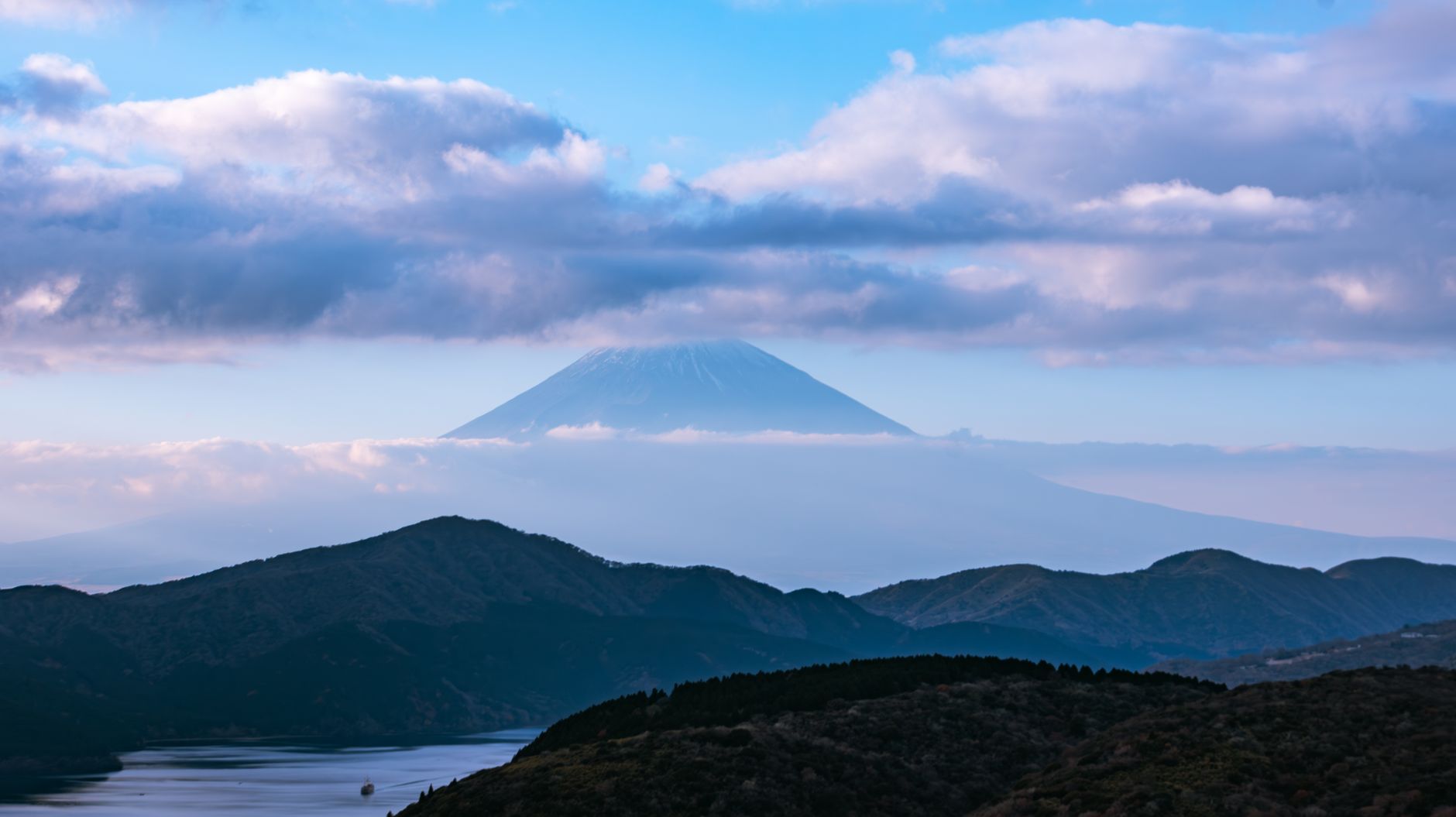
Hakone Ginyu sits on a hillside above the Sengokuhara plain, about a 20-minute taxi or Hakone Tozan bus ride from Hakone-Yumoto Station. Every one of its roughly sixteen rooms has a private open-air bath, and because the property is angled toward open plain rather than tucked into a valley, the Fuji sightline is real — clearest on winter mornings before the day's haze builds, roughly between 7:00 and 10:00.
Dinner is kaiseki built around Suruga Bay seafood and Hakone beef, served in-room from around 18:00. Expect roughly JPY 70,000 to 150,000 per person per night with two meals, depending on room grade and season. Winter weekends — precisely when the view is best — book out two to three months ahead.
Gora Kadan
The former imperial villa that set Hakone's luxury standard
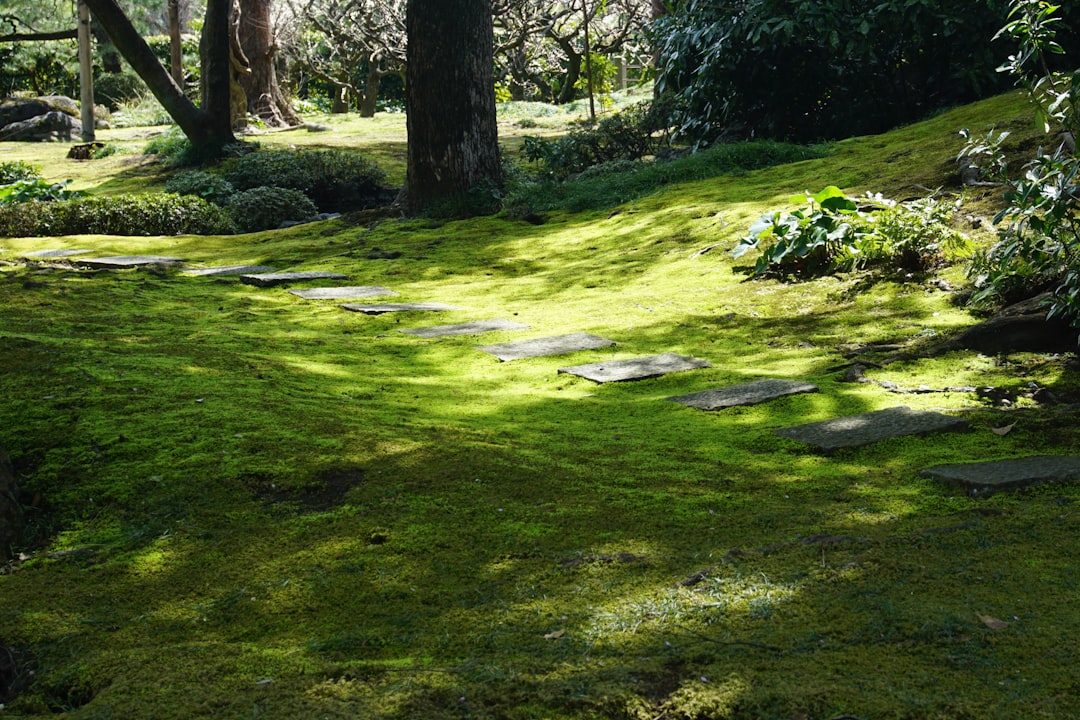
Gora Kadan occupies the former summer villa of the Kanin imperial family, converted into a ryokan in the early 1950s, a short walk from Gora Station at the top of the Hakone Tozan cable car line. There is no Fuji view here — Gora sits in a closed mountain fold — but the moss gardens, teahouse, and near-silent service are the reason this property is still the reference point everyone else in Hakone gets measured against.
Most rooms have private indoor or semi-open cypress baths; a handful of villa suites add a garden-facing rotenburo. Kaiseki centers on charcoal-grilled Hakone beef and Sagami Bay seafood, served in private dining rooms around 19:00. Rates run roughly JPY 90,000 to 180,000 per person with meals; book six to eight weeks out, and three months or more for New Year's.
Hakone Sanyoso
The Gora garden ryokan for the most theatrical kaiseki in the region
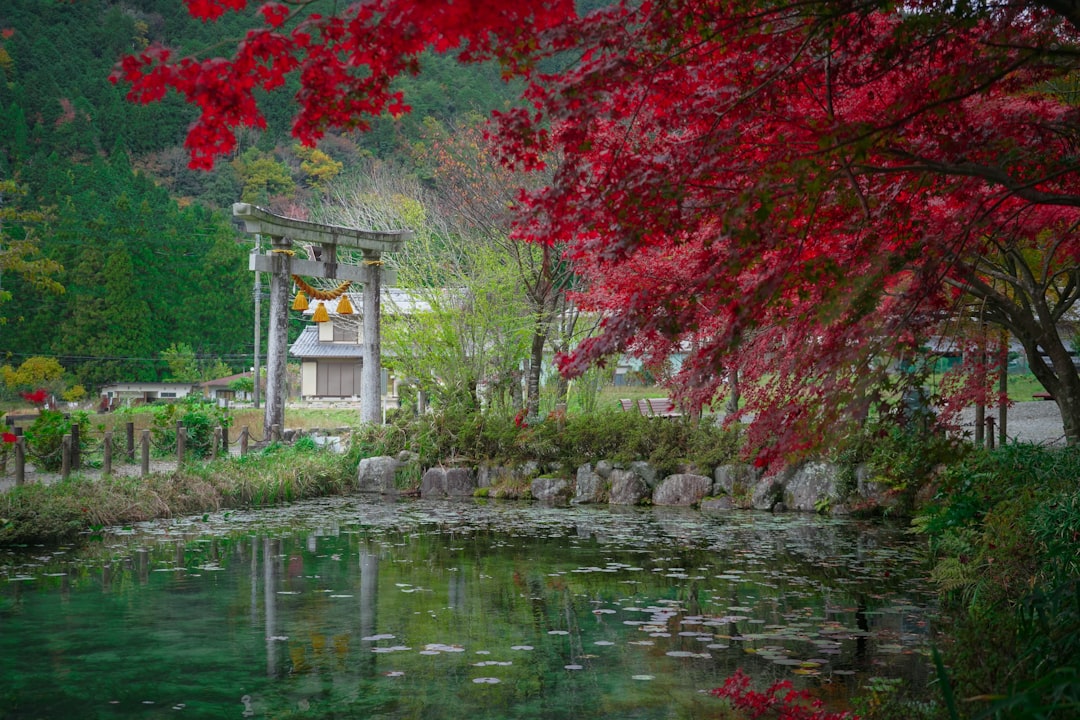
Near the Hakone Museum of Art in Gora, Sanyoso is built around an extensive garden of maple and pine, with koi ponds that half-freeze into a dramatic backdrop by January. A few top suites have private stone baths carved into the garden itself; standard rooms use a shared bathhouse plus an hourly reservable private bath, typically booked in 45-minute slots.
The kaiseki dinner can run ten or twelve courses over nearly two hours, plated with the kind of precision that treats each dish as a miniature garden. Expect roughly JPY 80,000 to 160,000 per person with two meals. Four to six weeks of lead time is usually enough, though the winter illumination season in the garden pulls that in tighter.
Kai Hakone
Hoshino Resorts' riverside ryokan for a shorter booking window
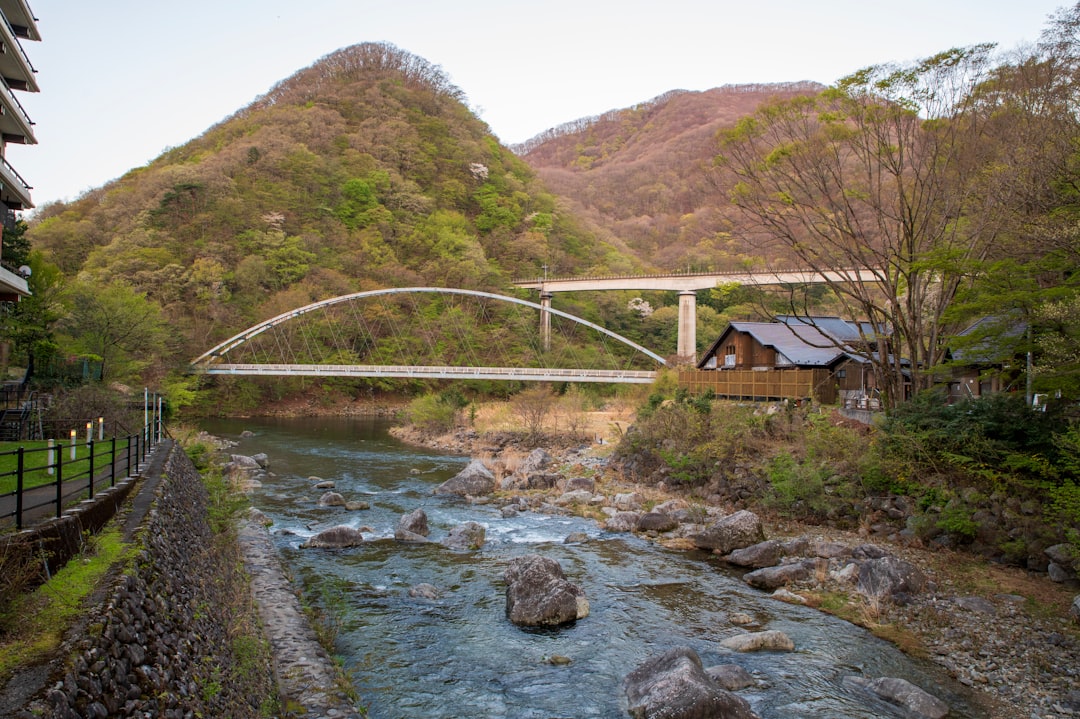
Kai Hakone sits along the Sukumo River gorge in Hakone-Yumoto, about a 12-minute walk from Hakone-Yumoto Station — the gateway station most travelers arrive at. Part of Hoshino Resorts' Kai brand, its semi-open-air baths look straight down into the river gorge; some rooms have private baths, others rely on the riverside communal onsen with reservable private slots.
Kaiseki here uses local yuba and Hakone vegetables alongside Sagami Bay fish, at gentler prices than the top three — roughly JPY 55,000 to 95,000 per person with two meals. This is the property to book if you're finalizing a Tokyo trip late, since rooms often open up two to three weeks out even in winter.
Fukuzumiro
The century-old wooden ryokan that never left literary Japan
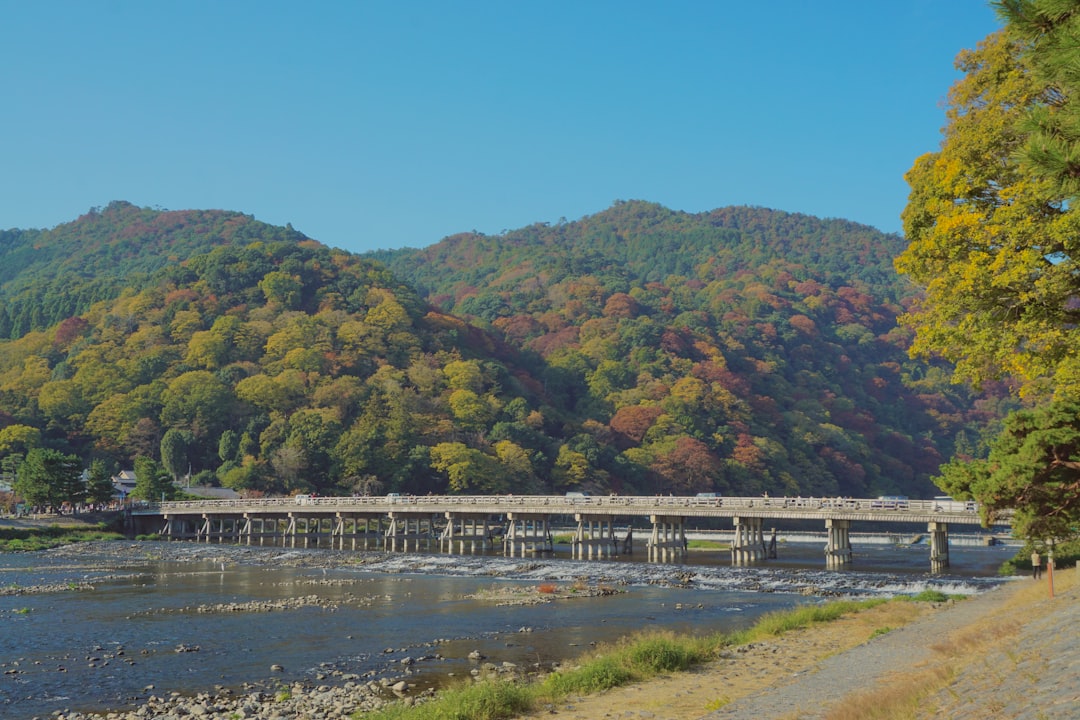
In Miyanoshita on the Hakone Tozan Railway line, about 15 minutes from Hakone-Yumoto Station, Fukuzumiro has stood since the early twentieth century. Natsume Soseki and Ryunosuke Akutagawa both stayed here, and the wooden corridors, hand-carved transoms, and small footbridges over the stream running through the grounds haven't been modernized out of it.
A handful of its dozen or so rooms have private outdoor baths set beside the stream. Kaiseki centers on charcoal-grilled Hakone beef and river fish, served in-room, and rates run roughly JPY 45,000 to 85,000 per person with two meals — the best value-for-craft entry on this list. Reserve three to four weeks out; the rooms with private baths go first.
Your trip, perfectly crafted
Let a Cordelie advisor craft your perfect trip — the right rooms, the right season, every detail arranged before you arrive.
Plan with a Cordelie advisorGora Kansuiro
Gora's oldest ryokan, for tradition without a villa price tag
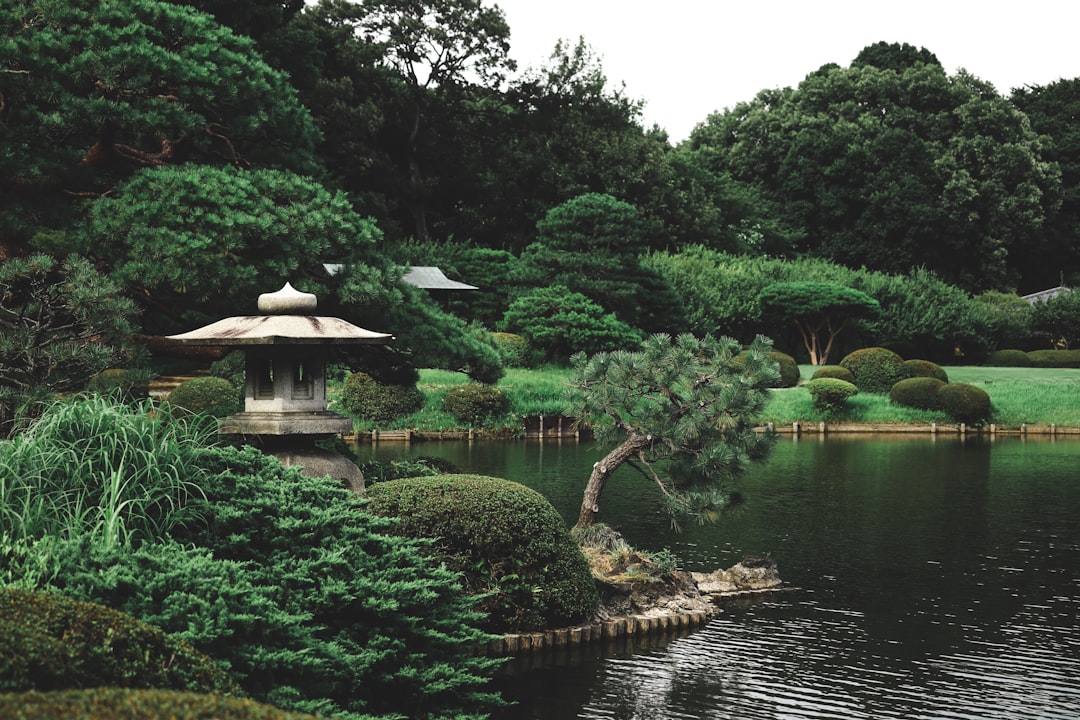
Dating to the Meiji era, Kansuiro sits a short walk from the Koen-Shimo stop on the Hakone Tozan cable car. Its formal garden and indoor-outdoor communal baths draw on Gora's own original hot spring source; a limited number of rooms have private open-air baths from more recent renovations.
The kaiseki is more restrained than Sanyoso's — seasonal vegetables and a Hakone beef sukiyaki course in winter — at roughly JPY 60,000 to 110,000 per person with two meals. Three to four weeks of lead time is usually enough outside the New Year rush.
Hakone Setsugetsuka
Gora's newest villa suites, for total seclusion
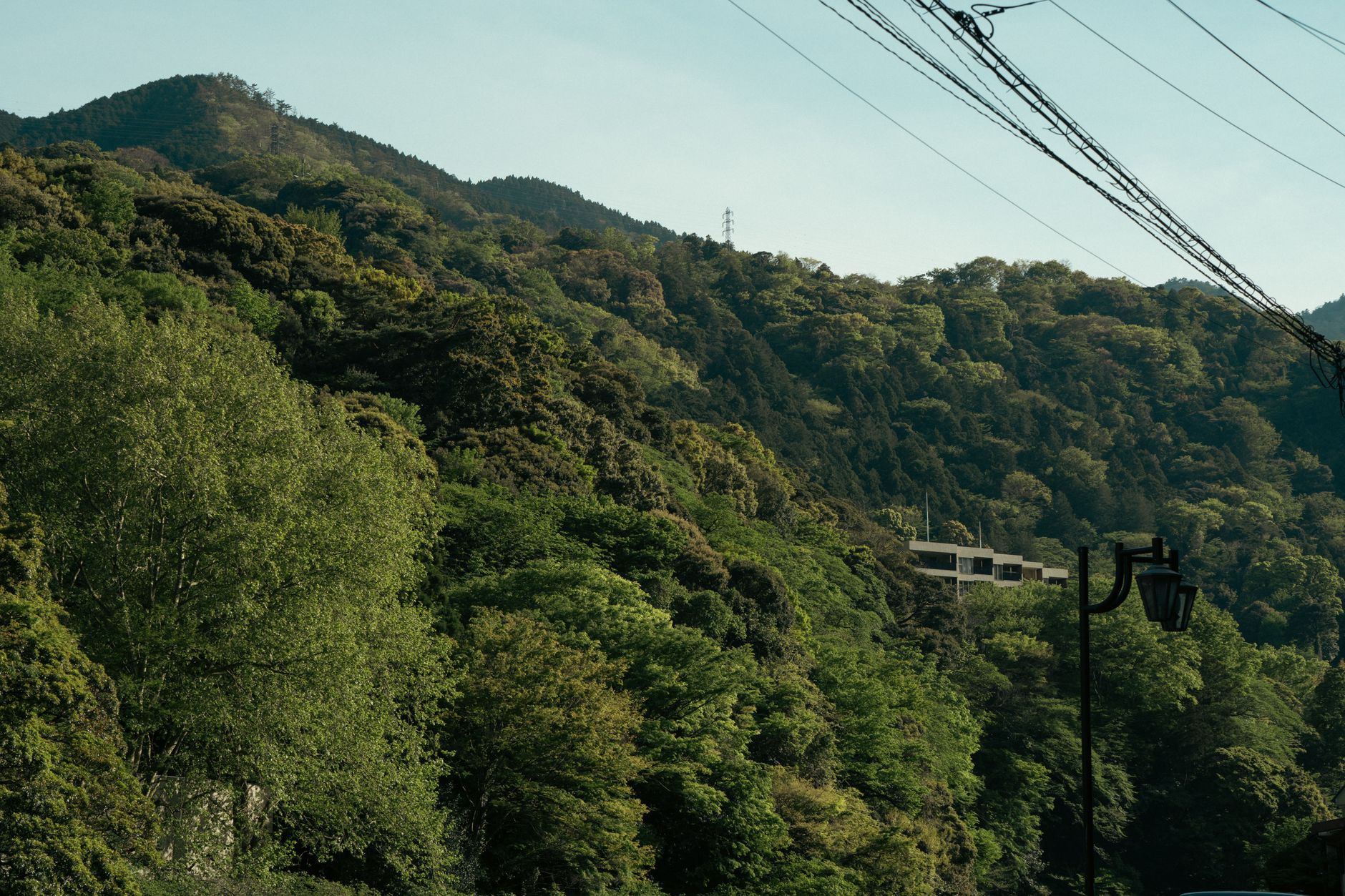
Opened within the last several years in Gora, Setsugetsuka is arranged as independent villa suites rather than one building — each with its own semi-open-air bath and small private garden, and no shared bath areas at all. Interiors mix tatami with low modern furniture, closer to a private residence than a hotel wing.
Dinner kaiseki is plated course by course in a private dining room attached to each suite. Rates run roughly JPY 100,000 to 200,000 per person, reflecting the villa format, and it's worth booking six to eight weeks ahead for weekends — this is the newest name here and fills quickly once Japanese travel press notices it.
Three More Hakone-Yumoto Ryokans Worth a Detour
Ichinoyu Honkan, on the river in Hakone-Yumoto, is said to trace its hot spring use back to the 1630s, making it one of the oldest continuously operating bathing sites in the region. Most baths are shared, though a couple of rooms have their own tub, and rates around JPY 35,000 to 55,000 per person with two meals make it the most accessible entry point into Hakone's ryokan heritage.
Yoshiike Ryokan, a small family-run property also in Hakone-Yumoto, keeps only a few rooms and a couple of private baths, which means the owners tend to remember returning guests by name. Hakone Kowakien Ten-yu, near Kowakidani Station, is an all-suite modern ryokan where every room does have its own private open-air bath — it didn't crack the top seven only because its kaiseki, while competent, doesn't reach the level of Sanyoso or Gora Kadan.
The Hakone Free Pass, sold at Odakyu stations including Shinjuku, covers round-trip travel from Shinjuku plus unlimited use of the Hakone Tozan train, local buses, the Hakone Ropeway, and the Lake Ashi sightseeing boat for two or three days — a two-day pass from Shinjuku runs roughly JPY 6,100 for an adult as of 2025. It makes a Tokyo-to-Hakone itinerary genuinely seamless: two or three nights in Tokyo, then the Romancecar down to Hakone-Yumoto in about 85 minutes, with the Owakudani ropeway and a Lake Ashi crossing built into the same days as your ryokan stay.
A Cordelie advisor secures the room categories that show no availability on public booking sites — the Fuji-facing suite at Hakone Ginyu, or a garden villa at Gora Kadan during the winter weekends when both the mountain and the demand peak together. Reach out at https://cordelie.com/contact to have your Tokyo-Hakone itinerary built around the exact ryokan and room you actually want, not whichever one still had space.
The Top Pick: Hakone Ginyu, Sengokuhara
The only ryokan on this list that pairs a genuinely private, unobstructed Fuji view with kaiseki good enough to stand on its own.
Hakone Ginyu earns the top spot because it doesn't ask you to choose between the mountain and the meal. Its cliffside position above Sengokuhara gives every room a private open-air bath aimed at Fuji, at its clearest on winter mornings, while the kitchen's Suruga Bay and Hakone beef kaiseki holds its own against Gora Kadan's more storied dining room.
Rates run roughly JPY 70,000 to 150,000 per person per night with two meals, and winter weekends fill two to three months ahead. For travelers whose whole reason for choosing Hakone over Kyoto is that view from the bathtub, this is the property that actually delivers it.

Luxury travel curator and hospitality expert. Emma reviews the world's finest hotels, resorts, and dining experiences with a discerning eye for detail and value.