Why Visit
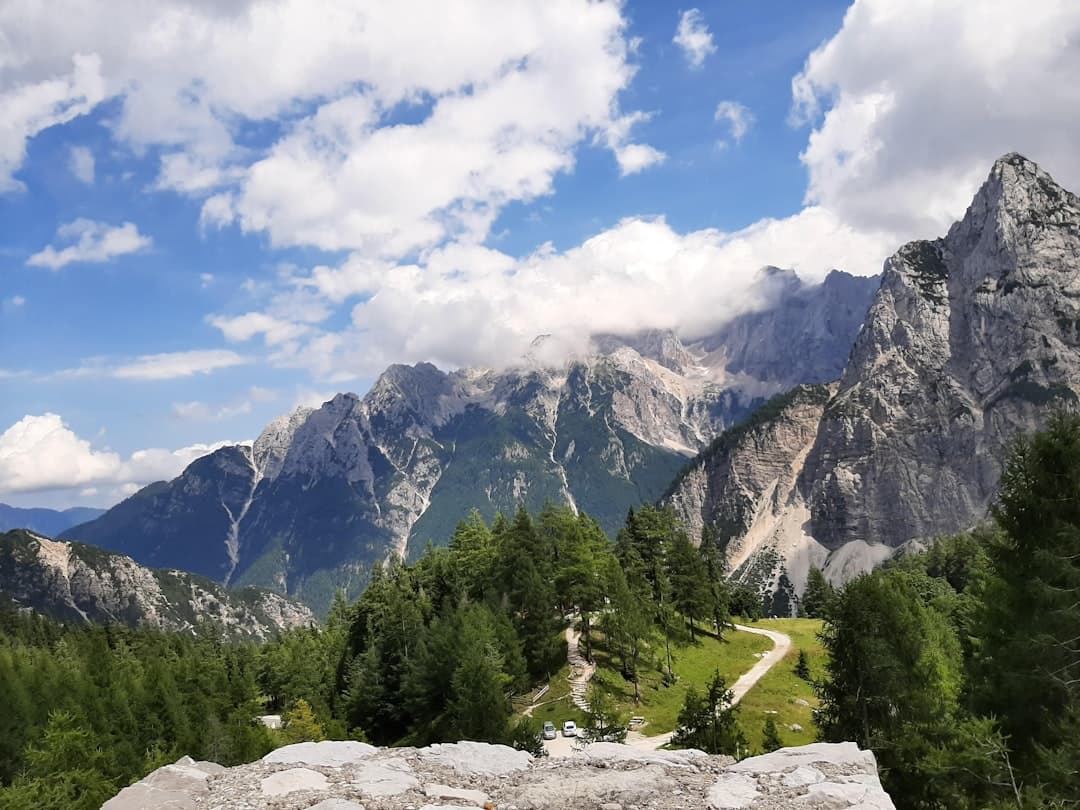
Everyone knows Zermatt. Everyone has seen the Matterhorn on a thousand postcards and paid Swiss francs for the privilege of standing near it. But tucked into the northwestern corner of Slovenia, where the Alps make their final dramatic push before dissolving into the Adriatic, lies a range that delivers the same jagged limestone drama, the same glacier-carved cirques and hut-to-hut culture, for a fraction of the crowd and cost. The Julian Alps rise straight out of pine forest into vertical white-grey walls, split by the impossibly clear Soča River and crowned by Mount Triglav, Slovenia's national symbol at 2,864 meters. This is a place where shepherds still bring cattle up to alpine pastures in June, where mountain hut wardens serve homemade blueberry schnapps at 2,500 meters, and where a summit that would command a five-hour lift queue in the Alps proper sees perhaps a few dozen climbers on any given July morning. For travelers who have already checked Chamonix, the Dolomites, and the Bernese Oberland off their list, Slovenia's Julian Alps and Triglav National Park offer something increasingly rare in the Alpine world: genuine wildness within a two-hour drive of a capital city.
Quick Facts
When to Visit
If you're reading this on a snowy afternoon dreaming of summer ridgelines, you're right on schedule. Winter is precisely when serious hikers should be booking huts and guides for the following season, because Triglavski dom na Kredarici and the handful of other summit-approach huts routinely sell out their July and August weekend beds by April. The Julian Alps operate on a compressed climbing calendar: the high routes, including the standard approaches to Triglav, are typically snow-free and passable without technical winter gear only from late June to mid-September. Outside that window, snow lingers in couloirs and on the via ferrata sections well into early summer, and afternoon thunderstorms are a real hazard from mid-July onward, so plan for pre-dawn starts. Right now, in winter, the park takes on a completely different character worth knowing about: Kranjska Gora becomes a proper ski town with lift-served slopes and cross-country trails threading the Sava valley, the Vršič Pass closes to vehicle traffic under heavy snow (usually late October through May, weather dependent), and snowshoeing outfitters in Bohinj lead half-day treks to frozen waterfalls at Savica and Mostnica gorge. For pure alpine hiking, though, June 24 to September 20 is your window, with the sweet spot falling in the first three weeks of September, when summer crowds thin, larch needles start turning gold in the Seven Lakes Valley, and hut wardens are far more relaxed about last-minute bookings.
Discover Southeast Asia with Cordelie Travel
Handcrafted itineraries for Bali, Thailand, Vietnam, and beyond. Expert local guides, boutique hotels, and authentic experiences.
Plan Your TripBali Temple & Beach
10-day cultural immersion with private guide
From $2,499Vietnam North to South
14-day journey from Hanoi to Ho Chi Minh
From $3,199Thailand Islands
7-day island-hopping adventure
From $1,899Top Experiences
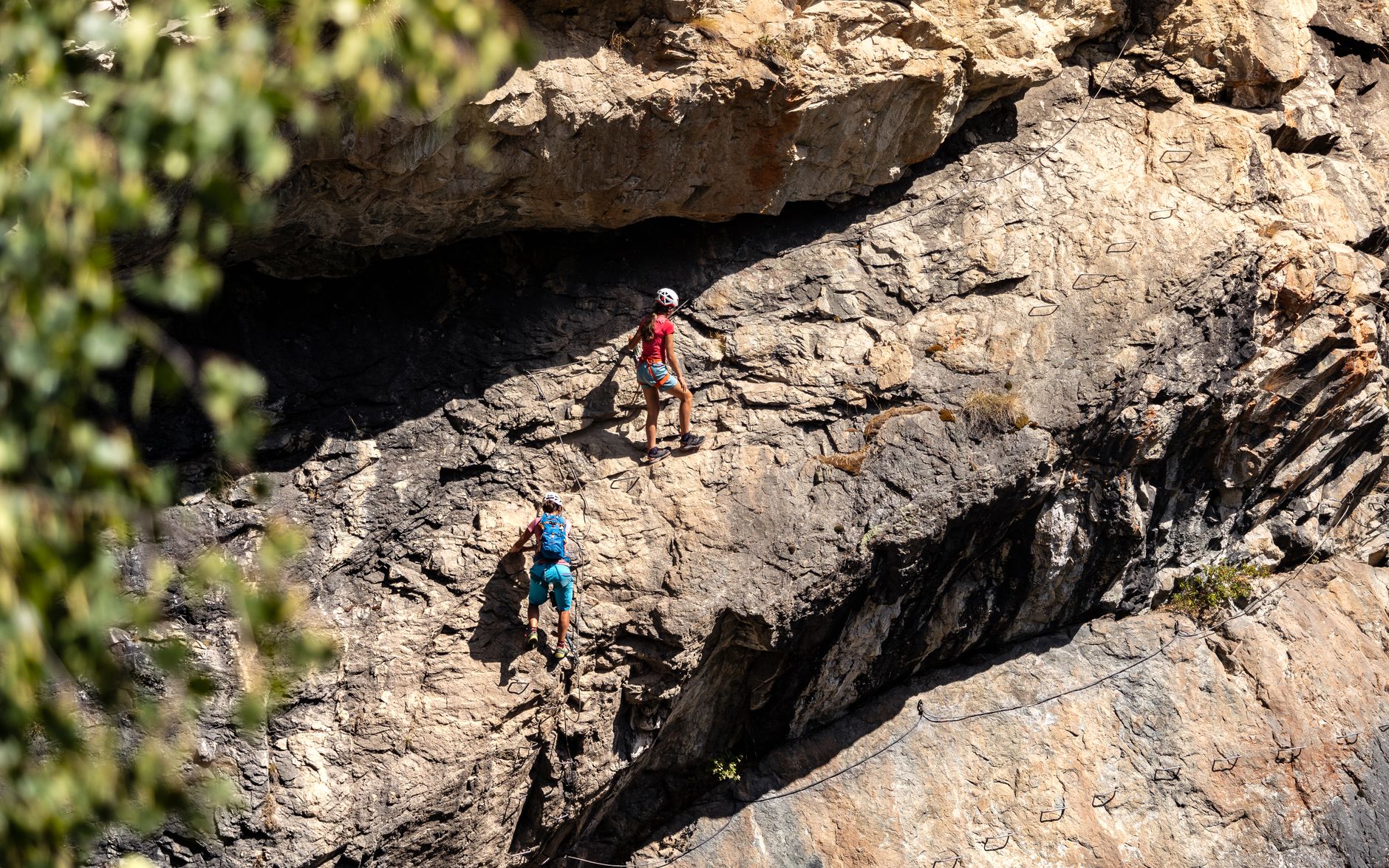
The undisputed centerpiece is the Mount Triglav summit trek, a two-to-three-day hut-to-hut climb that Slovenians consider something of a rite of passage; there's a folk tradition that you're not truly Slovene until you've stood on the summit. Most climbers approach from Pokljuka or Bohinj via Vodnikov dom, spend the night at Triglavski dom na Kredarici (2,515m, beds from around €30 with half-board), then push to the summit before dawn via one of two chain-and-ladder via ferrata sections near the top — either the exposed Tominškova pot or the slightly gentler Plemenice route. These sections aren't technically difficult by via ferrata standards, but they're unprotected in places and demand a head for heights, a via ferrata kit (harness, lanyard, helmet), and ideally a certified mountain guide if you haven't done exposed scrambling before; local operators like Guide Bled and Miha Turk Guiding run two-day guided ascents from around €280–350 per person including gear rental and hut fees. Equally unmissable, and considerably less committing, is the Seven Lakes Valley loop (Triglavska sedmerica jezer), a stunning circuit through a chain of glacial tarns beneath the Komna plateau, typically walked over one long day from Bohinj (roughly 20km, 1,200m of ascent) or broken into two with an overnight at Koča pri Triglavskih jezerih, the Seven Lakes Hut, at 1,685 meters. Beyond the big two, don't skip the short but jaw-dropping hike to Slap Savica waterfall, the boat-free swim in Lake Bohinj at dawn before the tour buses arrive, the white-knuckle drive over 50 hairpin bends of the Vršič Pass, and a rafting or canyoning day on the glacially blue Soča River out of Bovec, where outfitters like Soča Rider and Positive Sport charge €35–55 for a half-day trip.
The Trails and Peaks of Triglav National Park
Where to Stay
Base yourself in Bohinj if hiking is your priority; it's quieter and closer to the trailheads than its famous neighbor Bled. Hotel Jezero (from about €140/night) sits directly on the lake with mountain views from the breakfast terrace, while the family-run Apartments Pension Bohinj offers self-catering rooms from €70/night, ideal for early starts. Budget travelers should look at Pension Danica or the Bohinj hostel scene in Stara Fužina village, where beds run €25–35. In the mountains themselves, huts (koče) run by the Alpine Association of Slovenia (PZS) are the backbone of any multi-day route — expect simple dorm-style bunks, hearty soup and štruklji for dinner, and cold-water washrooms; book directly through individual hut websites or via hribi.net well in advance for July and August, since many huts only take reservations by phone or email rather than a centralized booking engine (a genuine logistical hurdle that a good advisor can navigate for you before you even land). For a splurge with easy access to Vršič Pass and Bovec's Soča Valley, the design-forward Kanin Rooms or the boutique Hotel Sanje ob Soči (from €150/night) put you within striking distance of both the mountains and the river. Kranjska Gora's Kompas Hotel works well for skiers extending a winter scouting trip into spring.
Food & Culture
Slovenian mountain cuisine is comfort food built for cold nights and long climbs, and it draws on Austrian, Italian, and Balkan influences in equal measure. Start with jota, a hearty sauerkraut and bean stew with smoked pork, and štruklji, rolled dumplings filled with anything from cottage cheese to walnuts. In Bovec and along the Soča Valley, freshwater trout appears grilled, smoked, or in creamy soups, a nod to the region's clean glacial water. Bograč, a Hungarian-influenced multi-meat goulash, shows up on menus in Bohinj and is exactly what you want after twelve hours on the Triglav approach. Save room, always, for a slice of kremšnita, the custard-and-puff-pastry cake that Lake Bled made internationally famous — Hotel Park in Bled still bakes the original recipe. Hut culture itself is a cultural experience worth savoring: wardens (oskrbniki) often live at altitude for the entire summer season, greet hikers with a shot of domače žganje (homemade fruit brandy) after a hard climb, and expect cash payment since card readers and reliable wifi are scarce above 1,500 meters. Tipping isn't obligatory but rounding up is appreciated. Slovenes are understated and polite; a simple 'dober dan' (good day) on the trail goes a long way, and removing boots before entering hut common rooms is standard etiquette.
“We don't climb Triglav to conquer it. We climb it because our grandparents did, and because the mountain is part of who we are.”
Getting Around
Fly into Ljubljana Jože Pučnik Airport, which has direct connections from London, Frankfurt, Munich, and several other European hubs. From there, a rental car is genuinely the best tool for exploring the Julian Alps — Bohinj is about 90 minutes by road, Kranjska Gora about an hour, and Bovec via the Vršič Pass roughly two hours in summer (the pass is closed to vehicles in winter and shoulder-season snow, so check road conditions at promet.si before driving it outside July–September). Public buses connect Ljubljana to Bled and Bohinj several times daily (around €10–12 one-way, roughly 90 minutes) and are perfectly workable if you're not planning to cross the Vršič Pass yourself. Once in the park, trailheads are generally reached by short local shuttles or your own vehicle, and hiking between huts is, naturally, entirely on foot — expect trail signage in the excellent Slovenian system of red-and-white 'Knafelc' blazes, maintained by the same PZS association that runs the huts. A good topographic map (Kartografija's 1:25,000 Triglavski narodni park sheet) or the offline PZS hribi.net app is essential, since mobile signal disappears completely above the treeline.
Sample Itinerary
Bohinj to the Seven Lakes Valley
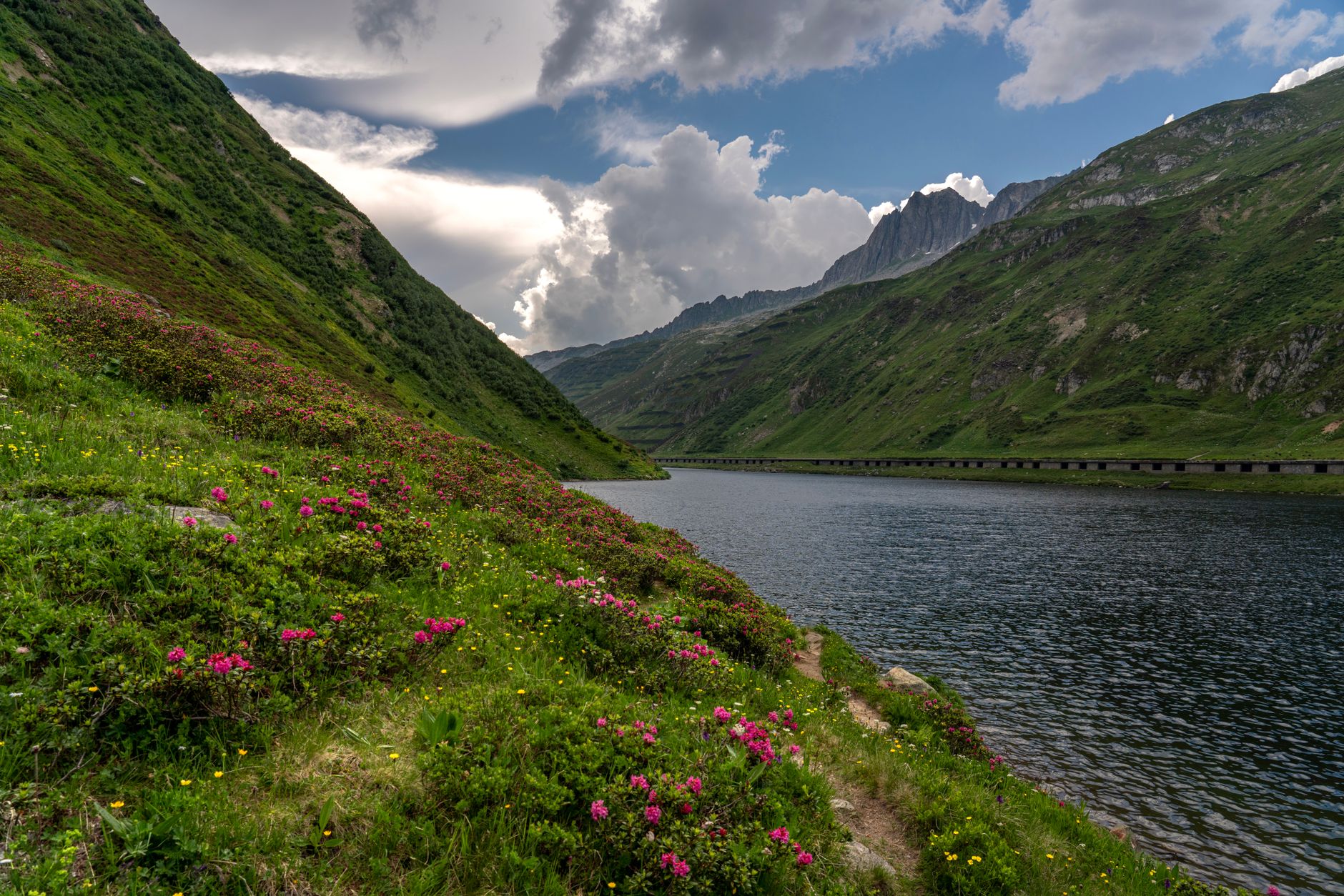
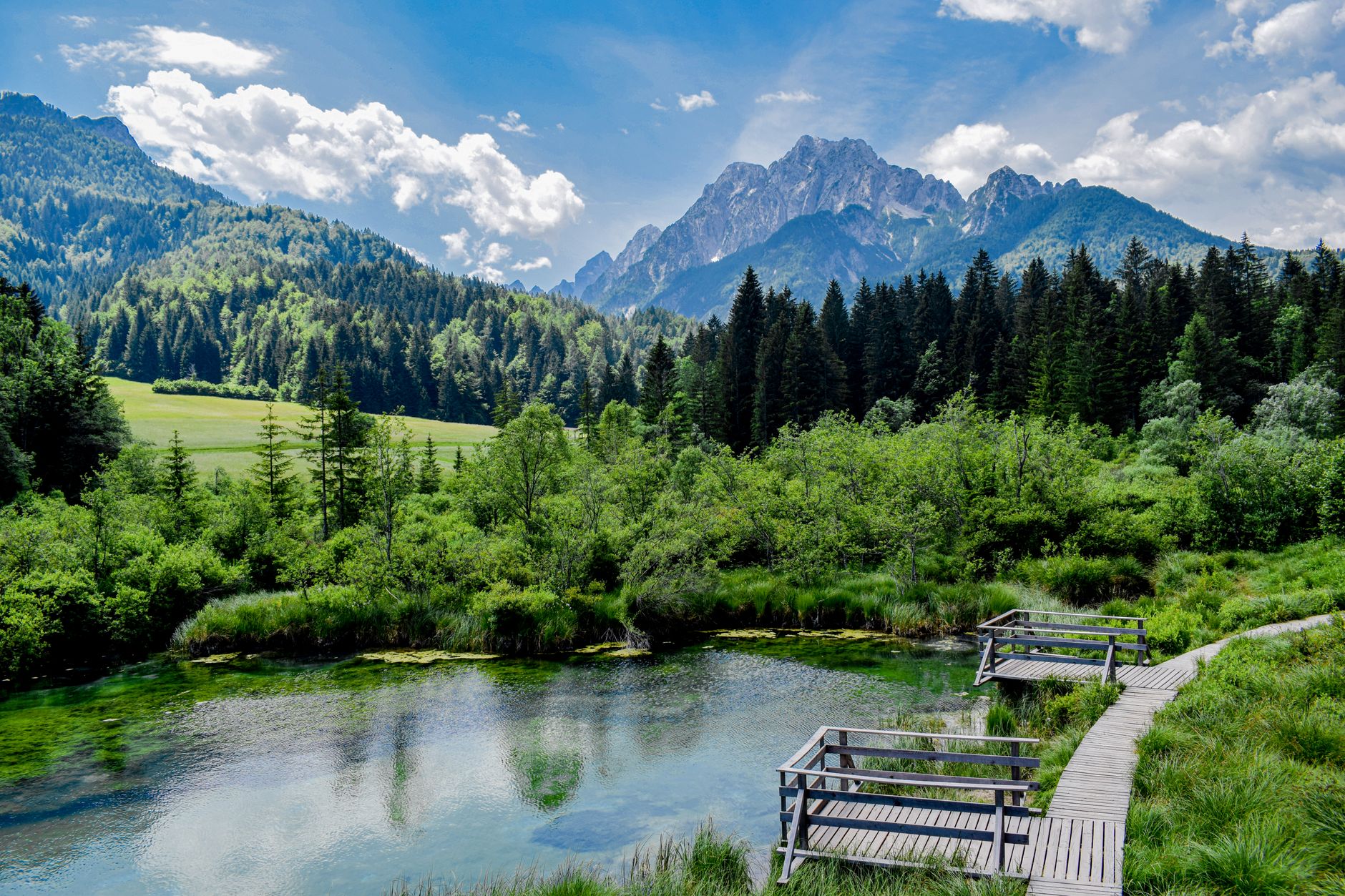
Start early from Ukanc at the far end of Lake Bohinj and take the cable car up to Vogel (€19 round-trip) to save the initial 600 meters of ascent. From the top station, hike roughly four hours through pine forest and open karst pasture to reach the Seven Lakes Valley, pausing at Črno jezero (Black Lake) and the strikingly turquoise Dvojno jezero.
Overnight at Koča pri Triglavskih jezerih (1,685m), a classic PZS hut with dorm beds from about €35 including dinner and breakfast — book at least six weeks ahead for July or August.
To Kredarica and the Foot of Triglav
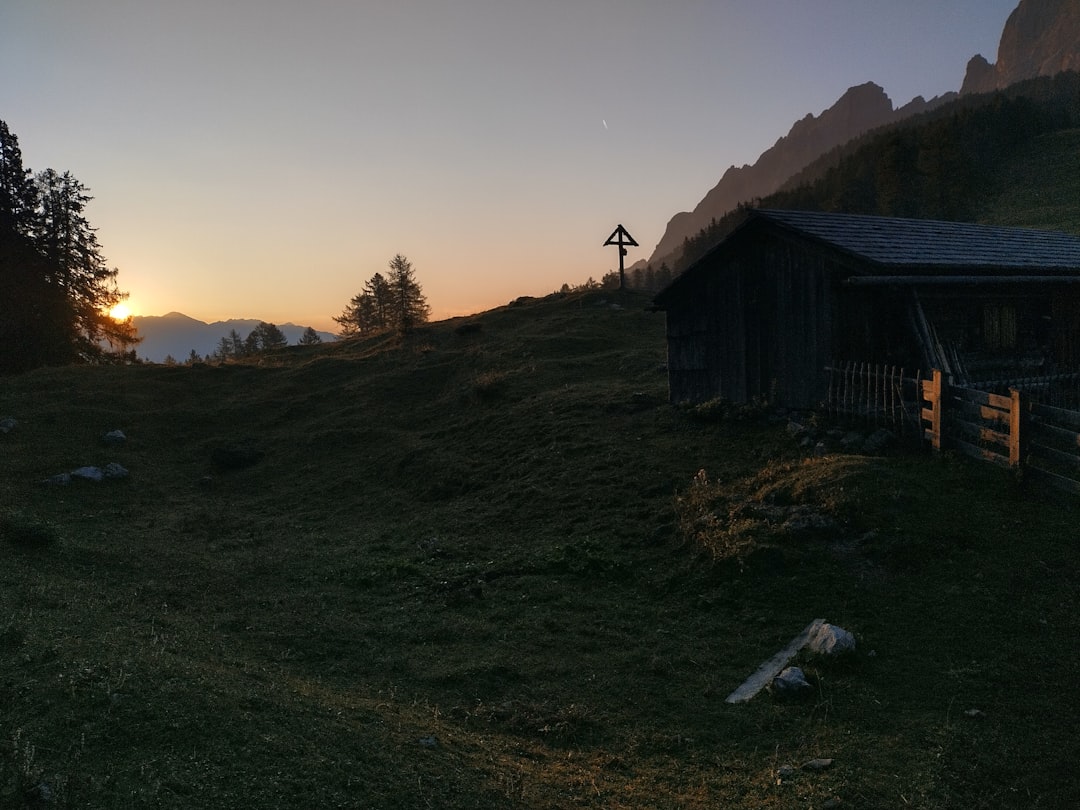
From the Seven Lakes Hut, continue northeast through the Hribarice pass, a rocky, exposed traverse that's stunning but demands sure footing and, in early season, may still hold patches of snow requiring microspikes. The route climbs steadily to Triglavski dom na Kredarici at 2,515 meters, the highest-altitude hut in Slovenia, where the terrace looks straight across at Triglav's north face.
This is the night to confirm your via ferrata plan for the following morning. If you haven't hired a guide, pair up with other climbers at the hut — most groups form organically over dinner, and wardens can advise on current chain conditions.
Summit Day and Descent
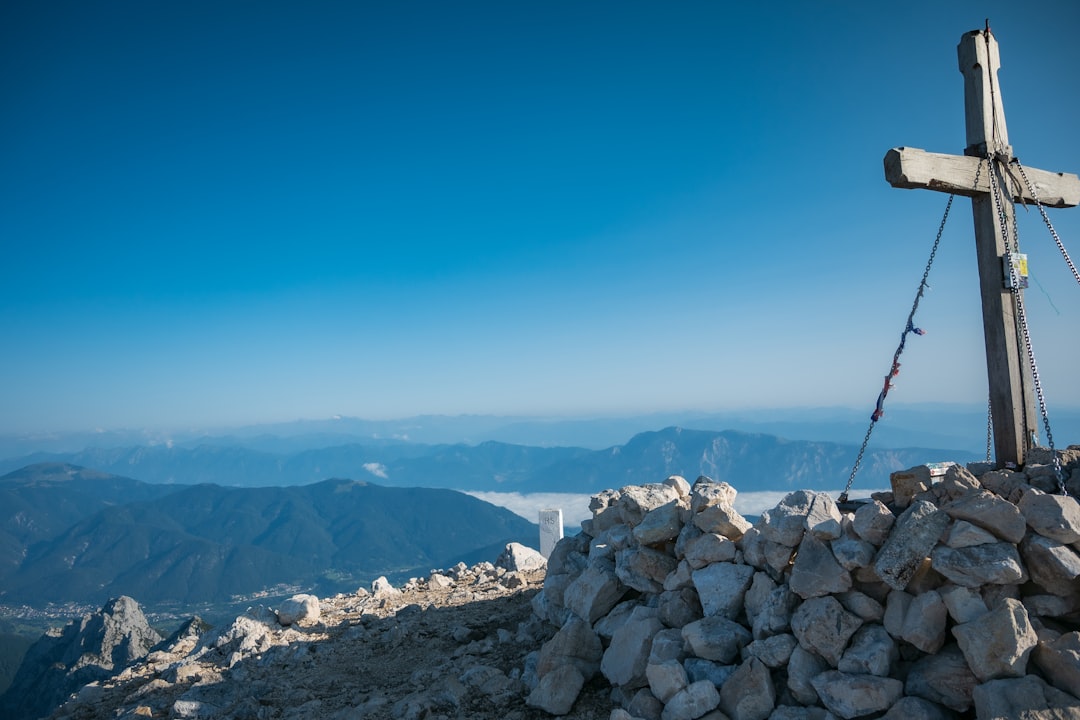
Depart Kredarica before 5:30am to beat both the heat and the afternoon storm risk. The final push to the 2,864-meter summit takes roughly two hours via the chain-assisted Tominškova pot, past the small emergency shelter Dom Planika pod Triglavom, to the iconic Aljaž Tower marking the top.
After summit photos at Slovenia's highest point, retrace your steps to Kredarica for a late breakfast, then descend via Dom Valentina Staniča toward Vrata Valley, finishing at the trailhead by late afternoon — arrange a taxi transfer back to Bohinj or Bled in advance, since public transport doesn't reach the Vrata trailhead.
Hut availability is the single biggest logistical headache in the Julian Alps, and it catches even experienced Alpine hikers off guard because Slovenia's booking system isn't centralized the way Switzerland's SAC network is. A Cordelie travel advisor can pre-arrange your Kredarica and Seven Lakes hut reservations, line up a certified mountain guide for the via ferrata sections if you want one, and coordinate transfers between trailheads that public transport simply doesn't reach — the kind of ground-level detail that turns a good hiking trip into a stress-free one. Reach out at https://cordelie.com/contact before you start booking flights.
At a Glance: Julian Alps & Triglav National Park
A world-class Alpine hiking destination that costs a fraction of Switzerland and delivers a fraction of the crowds — ideal for adventurous repeat Alps travelers seeking something genuinely fresh.
Best for climbers and hikers who've done the Alps before and want dramatic limestone peaks, glacial lakes, and via ferrata scrambling without Zermatt-level prices or crowds.
Budget roughly €30–45 per night for mountain hut half-board versus €80–120 in Switzerland, and €250–350 for a two-day guided Triglav ascent versus €1,000+ for comparable Swiss summits.
Plan for late June through mid-September for the high routes, book huts and guides months ahead, and pair the trip with a Soča Valley rafting day for the perfect adventure-and-scenery combination.
Cordelie Travel Advisor Tip
Planning a trip like this? Our experienced travel advisors can help you design the perfect itinerary, find the best deals, and handle all the details.
Talk to a Travel AdvisorDiscover Southeast Asia with Cordelie Travel
Handcrafted itineraries for Bali, Thailand, Vietnam, and beyond. Expert local guides, boutique hotels, and authentic experiences.
Plan Your TripBali Temple & Beach
10-day cultural immersion with private guide
From $2,499Vietnam North to South
14-day journey from Hanoi to Ho Chi Minh
From $3,199Thailand Islands
7-day island-hopping adventure
From $1,899
Asia travel specialist with over a decade of experience exploring Southeast Asia, Japan, and the Indian subcontinent. Sarah brings deep cultural knowledge and insider tips to every piece.