Crossing the Drake: An Adventurer's Guide to Antarctic Peninsula Expedition Cruises
Why Visit
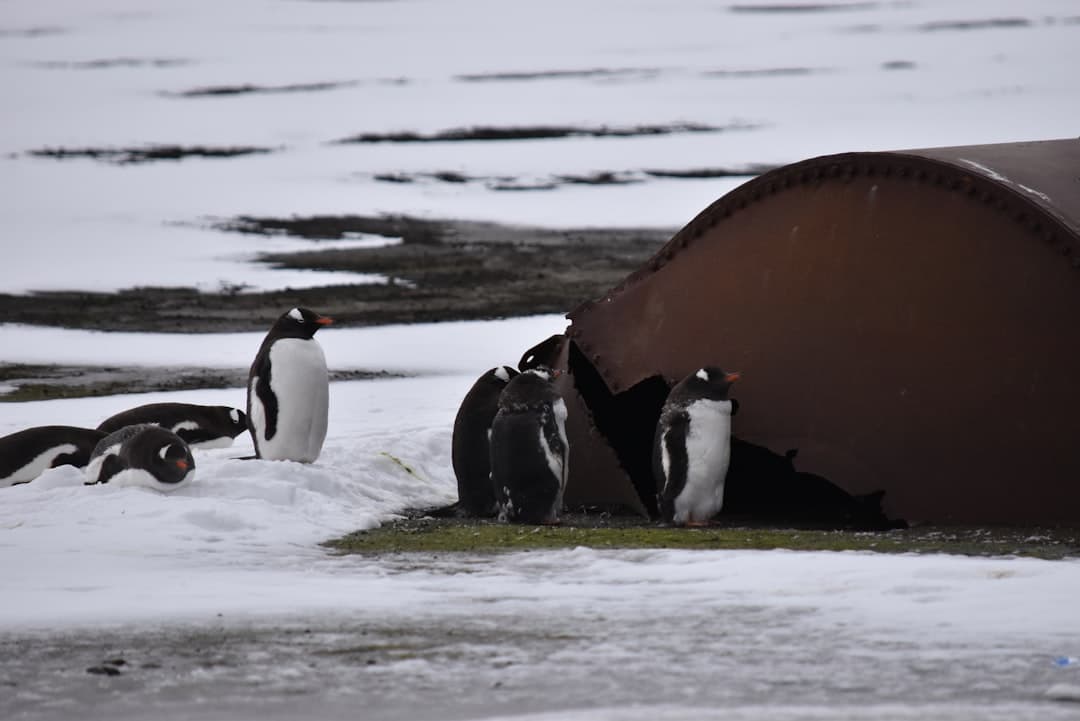
There is no place on Earth that rewires your sense of scale like the Antarctic Peninsula. You step off a Zodiac onto black volcanic sand and suddenly a hundred thousand chinstrap penguins are shrieking around you, glaciers the size of small countries are groaning into the sea, and a leopard seal is eyeing your inflatable boat with unnerving curiosity. This is not a destination you visit passively from a lounge chair. It's one you earn — via two days of open-ocean crossing through the notorious Drake Passage — and that gauntlet is precisely why the payoff feels so seismic. Winter travelers in the Northern Hemisphere are, conveniently, hitting peak Antarctic summer, when 18-plus hours of daylight illuminate cobalt icebergs, breeding colonies explode with chicks, and humpback and orca pods work the bays in numbers that make even veteran naturalists reach for their binoculars twice. For adventure travelers, the Peninsula offers a rare trifecta: genuine physical challenge (that Drake crossing, snowshoe treks, polar plunges), pristine wilderness with almost no human infrastructure, and the quiet thrill of visiting a continent with no permanent residents, no cities, and no roads — only ice, rock, and the wildlife that has always owned it.
Quick Facts: Antarctic Peninsula & South Shetland Islands
When to Visit
Antarctica's tourist season is a tight window — roughly late November through mid-March — and each month delivers a distinct character. Early season (November to early December) means pristine, untouched snow, dramatic ice formations still intact after winter, and penguins in full courtship mode as they build nests and battle for territory; it's also your best shot at spotting the more skittish minke and fin whales returning to feed. Midseason (late December through January) is peak: this is when eggs hatch and the Peninsula fills with fuzzy penguin chicks, 20-hour days bathe the landscape in soft light, and temperatures on the Peninsula itself hover comfortably between 20-35°F (-6 to 2°C) — often milder than a Chicago winter. Late season (February to March) shifts the show toward whales, as humpbacks and orcas gorge on krill in numbers that peak right as the ice retreats further, and you'll see fledgling penguin chicks losing their down and taking their first swims. Because this is genuinely 'winter' travel from a Northern Hemisphere planning perspective, book your cabin 9-12 months out — the best expedition ships (150 passengers or fewer) sell out their prime December-January departures well over a year in advance, especially triple and quad cabins for budget-conscious groups.
Discover Southeast Asia with Cordelie Travel
Handcrafted itineraries for Bali, Thailand, Vietnam, and beyond. Expert local guides, boutique hotels, and authentic experiences.
Plan Your TripBali Temple & Beach
10-day cultural immersion with private guide
From $2,499Vietnam North to South
14-day journey from Hanoi to Ho Chi Minh
From $3,199Thailand Islands
7-day island-hopping adventure
From $1,899Top Experiences
The single most important decision you'll make is choosing a true expedition operator over a mainstream cruise line, and the difference is not cosmetic — it determines whether you actually set foot on Antarctica at all. Under International Association of Antarctica Tour Operators (IAATO) guidelines, only vessels carrying 500 or fewer passengers may make landings, and only 100 people may be ashore at any single site at one time. This means the mega-ships (1,000+ passengers) that sail past the Peninsula on 'scenic cruising' itineraries never actually land anyone — you'll see icebergs from a balcony and that's it. True expedition operators like Lindblad Expeditions, Quark Expeditions, Hurtigruten, Aurora Expeditions, and Ponant cap their ships between 100 and 200 guests specifically so everyone gets multiple daily Zodiac landings. Expect two shore excursions or Zodiac cruises per day, each roughly 2-3 hours, rotating small groups of 10-12 guests per boat with an expert naturalist guide. Beyond the standard landings, the real adventure junkies should budget extra for add-on activities, most of which need to be booked months in advance since they're capacity-limited: sea kayaking (typically $500-800 for the voyage, paddling silently past seals hauled out on ice floes — moderate fitness required, prior kayaking experience recommended), snowshoeing (often included or a modest add-on fee, hiking up to viewpoints above the landing sites for panoramic Peninsula views — moderate difficulty, good for most fitness levels), and the bucket-list overnight camping on the Antarctic continent itself ($200-350 extra, no tent walls between you and 24-hour daylight, sleeping in a bivy sack directly on the snow — this one's genuinely physically demanding and not for the cold-averse). Many ships also offer the polar plunge (free, and utterly optional, but a rite of passage), stand-up paddleboarding, and on select Quark and Aurora sailings, even scuba diving for certified divers. Realistically rate your own fitness: landings involve boarding a bouncing Zodiac in swells, walking on uneven volcanic scree or deep snow, and occasionally hiking 30-45 minutes uphill in boots and layers — moderate cardiovascular fitness and stable balance matter more than raw strength.
Scenes from the Peninsula
Where to Stay
Your 'hotel' for this trip is the ship itself, and cabin category matters enormously for both comfort and your Drake Passage experience. At the top end, vessels like the Silver Endeavour or Ponant's Le Commandant Charcot offer suites with private balconies, butler service, and stabilization systems that meaningfully soften rough seas, running $15,000-25,000+ per person for 10-11 night voyages. Mid-range expedition ships — Lindblad's National Geographic Resolution/Endurance, Quark's Ultramarine, and Aurora's Sylvia Earle — offer well-appointed twin cabins with ocean views or portholes, excellent naturalist staff-to-guest ratios, and strong Zodiac fleets, typically $9,000-14,000 per person. Budget-conscious adventurers should look at triple or quad cabins on ships like Hurtigruten's MS Fram or Albatros Expeditions' Ocean Victory, which can bring costs down to $6,500-8,500 per person, or watch for last-minute deals out of Ushuaia at agencies that sell unsold berths at 30-40% discounts (a gamble, but one seasoned budget travelers make work). Regardless of budget, choose a cabin on a lower deck and closer to midship if you're prone to seasickness — the Drake Passage can deliver 15-20 foot swells, and motion is amplified the higher and further forward you sleep. Before or after your sailing, Ushuaia itself offers solid land options: the Arakur Ushuaia Resort & Spa (from roughly $350/night) has hot tubs overlooking the Beagle Channel that feel extraordinary after a week at sea, while the more budget-friendly Albatros Hotel (from $120/night) sits right in town near the pier.
Food & Culture
Antarctica has no indigenous culture and no permanent population — the 'culture' you'll encounter is the working culture of the research stations and the improvised traditions of ships themselves, from mandatory boot-and-clothing decontamination rituals (IAATO requires vacuuming Velcro and checking pockets for seeds before every landing, to prevent introducing foreign species) to the informal camaraderie of a lecture hall packed with guests eager to learn about penguin biology or glaciology from onboard scientists. Shipboard dining varies by operator but generally trends toward hearty, high-quality fare designed to fuel cold-weather adventuring: expect fresh Patagonian lamb, Chilean sea bass, and Argentine-influenced barbecue nights (asado) on deck when weather allows, alongside daily-changing menus overseen by chefs on the better-run ships like Lindblad and Ponant vessels. Many operators pour Argentine Malbec and Chilean Carmenère generously at dinner, and a celebratory glass of champagne on the bridge as you cross 60 degrees south latitude — the official entry to Antarctic waters — has become something of a tradition on premium sailings. If your itinerary includes a stop at a research station like Chile's Base Frei or the UK's Port Lockroy (home to a working post office where you can mail postcards stamped from Antarctica), take the opportunity seriously; interactions are brief, tightly scheduled around IAATO visitor caps, and genuinely memorable. Before or after your cruise, Ushuaia's food scene deserves a night or two: try King Crab (centolla) at Kaupé, a warm, wood-paneled restaurant overlooking the Beagle Channel, or grab lamb ribs at Chez Manu, both local institutions that fishermen and expedition crews alike recommend.
“You don't visit Antarctica so much as it visits you — the silence gets into your bones long after the ship turns back north.”
Getting Around
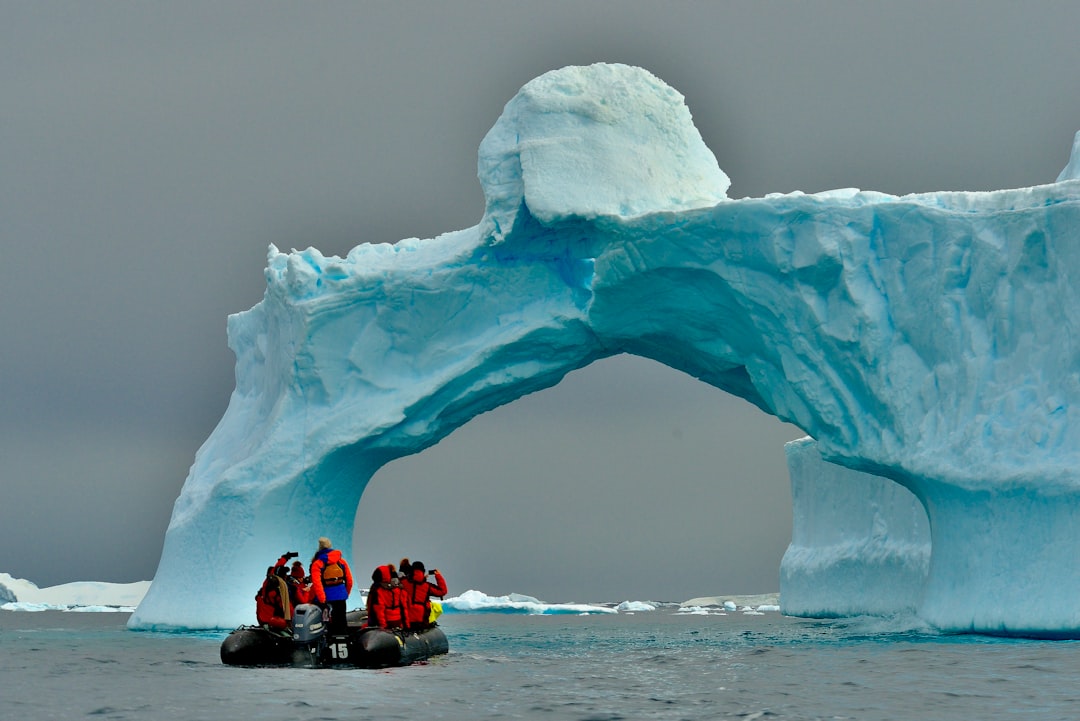
There are no roads, docks, or piers in Antarctica — everything moves by Zodiac, the rigid inflatable boats that are the true workhorses of expedition travel. Boarding one is a physical act: you'll step down a gangway, often in swaying conditions, and a crew member will grab your forearm in the 'sailor's grip' to steady you into the boat. Wear waterproof pants and boots (most operators provide or rent rubber muck boots, but bring your own if you have wide calves or specific sizing needs) because you'll frequently do a 'wet landing,' stepping directly into a few inches of frigid water onto the beach. Between landing sites, ships reposition overnight or during meals, meaning you'll typically wake up in a completely different bay each morning — expect an announcement over the PA around 7am briefing the day's plan, which shifts constantly based on wind, ice conditions, and wildlife activity; flexibility is the name of the game, and the best guides treat a scrapped landing due to weather as simply the nature of true wilderness travel, not a failure. For the Drake Passage itself, pack for two days of genuine physical challenge each way: acclimatization patches (scopolamine) or over-the-counter Dramamine started 24 hours before departure, a focus point on the horizon, ginger candy, and — crucially — realistic expectations. Some crossings are the 'Drake Lake,' smooth as glass; others are the 'Drake Shake,' with the ship rolling enough that walking the corridors means bracing wall to wall. Fly-cruise options departing from Punta Arenas via a two-hour charter flight to King George Island skip the Drake entirely for those unwilling or unable to risk the crossing, typically adding $2,000-4,000 to the trip cost but compressing the itinerary by up to four days.
Sample Itinerary
Ushuaia Departure & the Beagle Channel
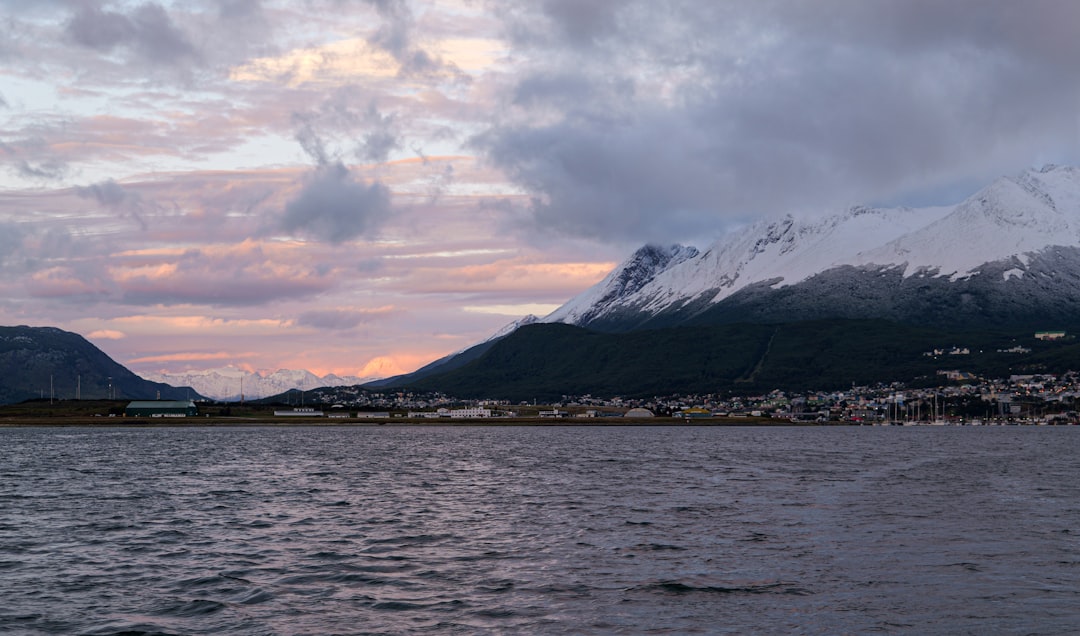
Board your expedition vessel in Ushuaia by early afternoon, after the mandatory boot-fitting and biosecurity briefing. As the ship pulls away from the world's southernmost city, head to the aft deck to watch the Martial Mountains recede while cormorants and black-browed albatross trail the wake through the Beagle Channel.
Evening brings the first of many mandatory IAATO briefings covering wildlife distance rules (5 meters minimum from penguins, 15 meters from seals) and safety protocols, followed by a welcome dinner as the ship makes its final turn toward open water and the Drake Passage begins in earnest overnight.
First Landing: South Shetland Islands
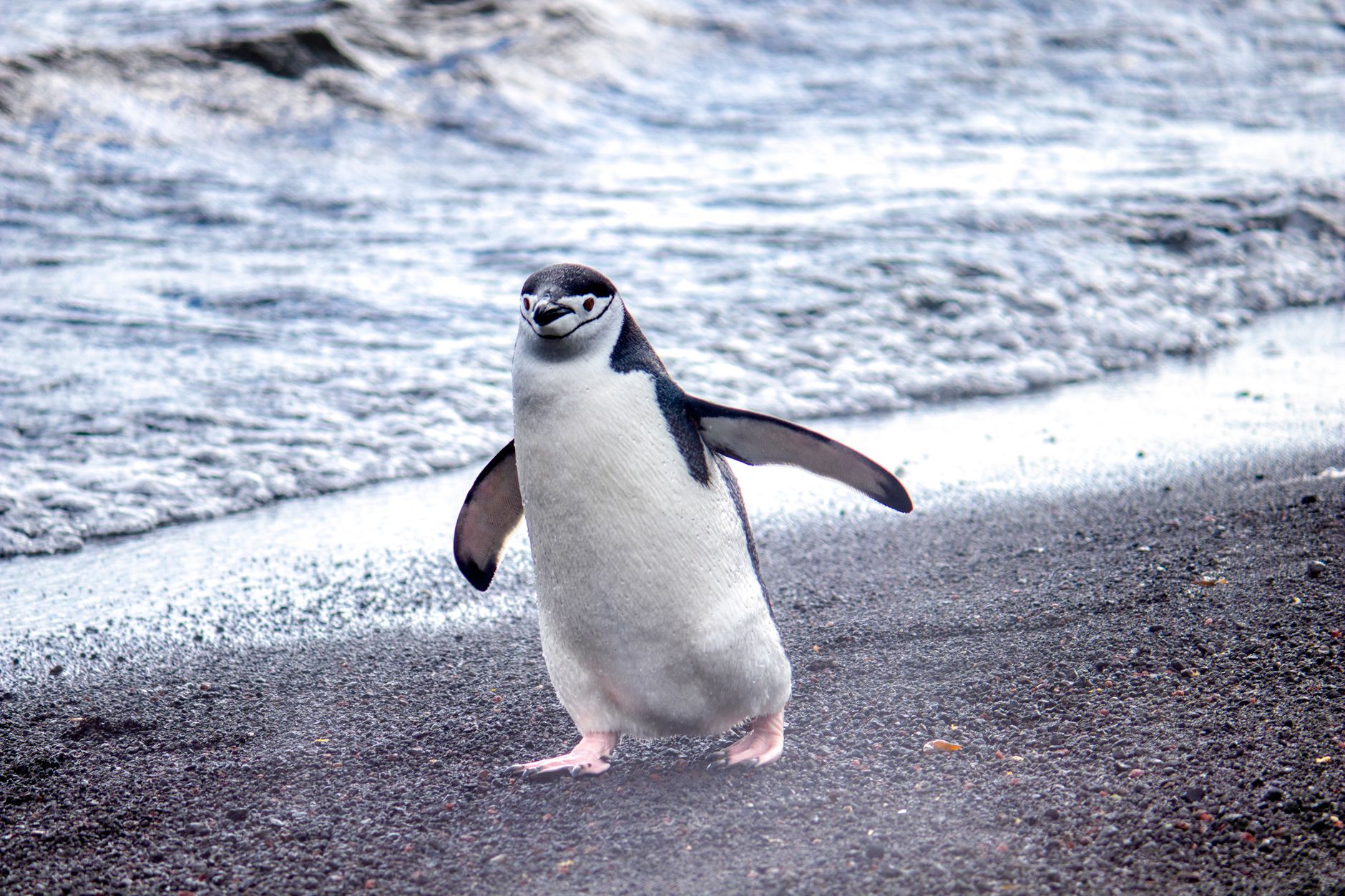
After roughly 48 hours crossing the Drake, land breaks the horizon: the volcanic South Shetland Islands, your first taste of solid ground. A morning Zodiac landing at Half Moon Island or Yankee Harbour puts you face-to-face with chinstrap penguin colonies and lounging Weddell seals, all set against black-sand beaches and dramatic basalt cliffs.
Afternoon brings an optional snowshoe hike above the landing site for panoramic views over the bay, or a first sea kayak paddle for those who booked the add-on. Fitness note: this first outing is a good gauge of your own stamina before committing to more strenuous excursions later in the trip.
Deep Peninsula: Paradise Harbour & Overnight Camping
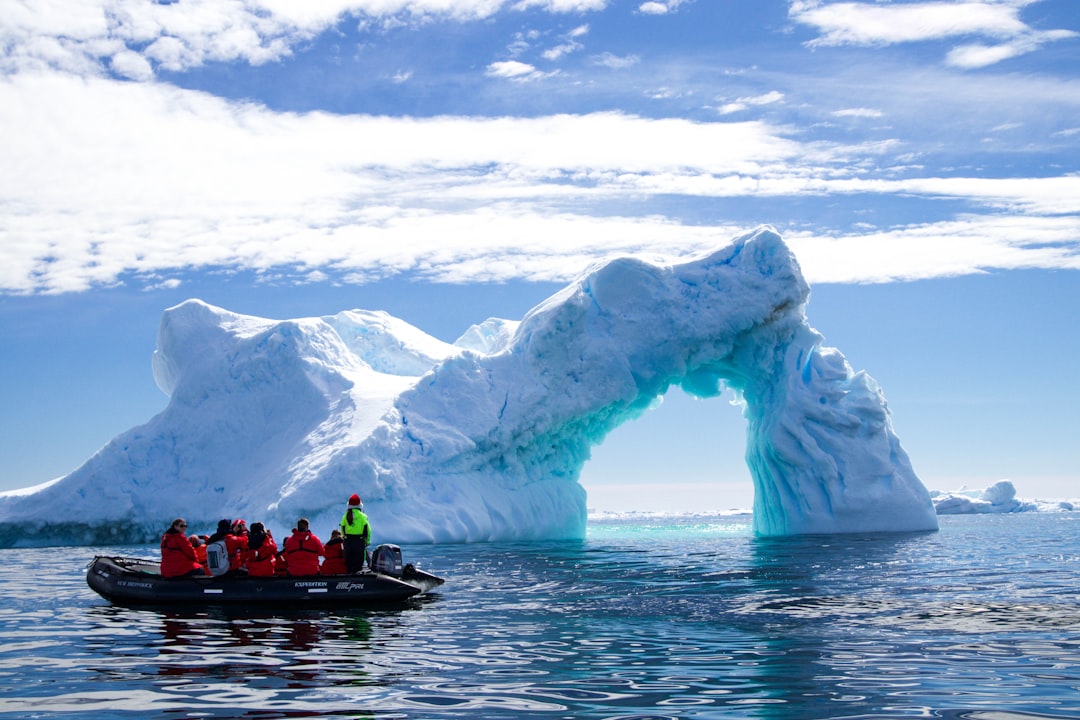
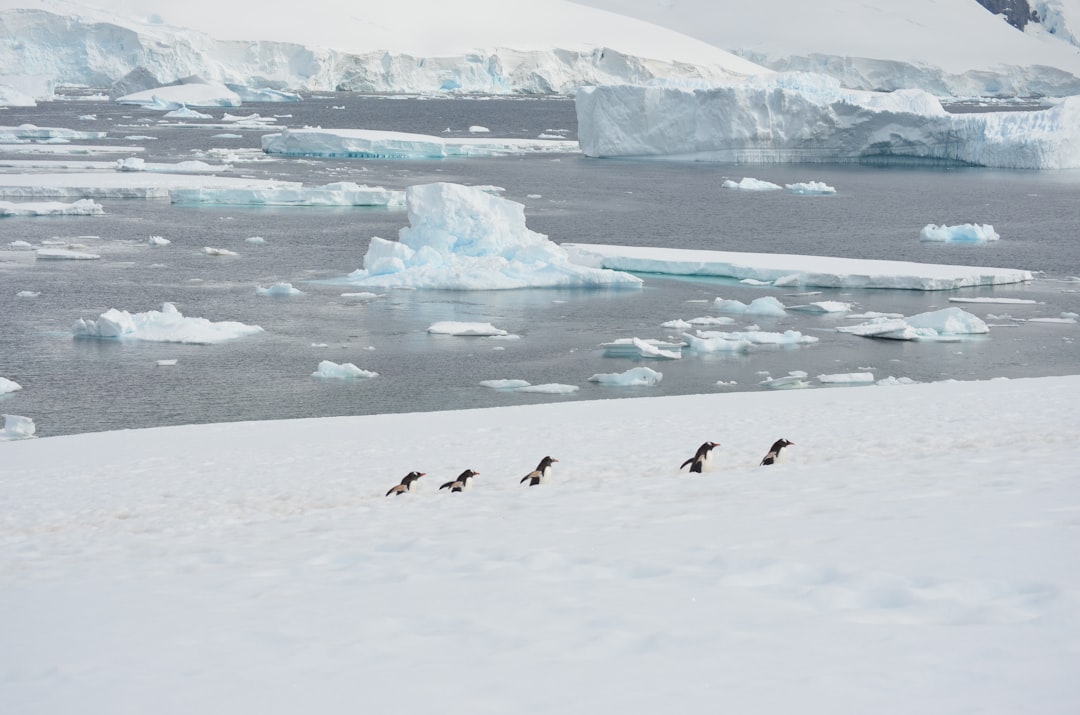
By mid-voyage you're deep into the Gerlache Strait, cruising past towering blue-ice glaciers into Paradise Harbour, one of the Peninsula's most photogenic anchorages. A morning Zodiac cruise weaves through grounded icebergs while humpback whales frequently surface within yards of the boats, and gentoo penguins dot the surrounding slopes.
For those who booked the overnight camping add-on, this is often the night: a small group is ferried ashore after dinner to dig sleeping platforms into the snow and spend the night on the Antarctic continent itself, waking to a silence and light quality unlike anywhere else on Earth. Everyone else enjoys an evening lecture on glaciology or penguin biology back aboard the ship.
Cabin selection and add-on activity bookings are the two decisions that most affect your trip's cost and comfort — and both fill up 9-12 months ahead of peak dates. A Cordelie advisor who specializes in polar expeditions can compare real-time availability across Lindblad, Quark, Aurora, and Ponant sailings, lock in kayaking or camping slots before they sell out, and match your fitness level and budget to the right ship size and cabin category. Reach out at https://cordelie.com/contact before you book anything yourself.
At a Glance: Antarctic Peninsula Expedition Cruises
An unmatched adventure destination for travelers willing to brave the Drake Passage — book a true small-ship expedition operator, not a mega-cruise, and budget extra for kayaking, snowshoeing, or camping add-ons if you want the full physical experience.
Best for: adventure travelers with moderate fitness, wildlife photographers, bucket-list chasers, and anyone craving genuine wilderness with zero permanent human settlement.
Budget realistically $6,500-25,000+ per person depending on ship class and cabin, plus $500-800 for kayaking and $200-350 for overnight camping if you want the add-ons.
Go between December and February for the mildest weather and peak penguin chick season; go in November for pristine ice, or March for the best whale activity.
Cordelie Travel Advisor Tip
Planning a trip like this? Our experienced travel advisors can help you design the perfect itinerary, find the best deals, and handle all the details.
Talk to a Travel AdvisorDiscover Southeast Asia with Cordelie Travel
Handcrafted itineraries for Bali, Thailand, Vietnam, and beyond. Expert local guides, boutique hotels, and authentic experiences.
Plan Your TripBali Temple & Beach
10-day cultural immersion with private guide
From $2,499Vietnam North to South
14-day journey from Hanoi to Ho Chi Minh
From $3,199Thailand Islands
7-day island-hopping adventure
From $1,899
Adventure travel writer and outdoor enthusiast. From hiking the Andes to diving in the Maldives, Marcus covers the world's most thrilling destinations with practical, safety-conscious advice.