Following Shackleton: A Traveler's Guide to Grytviken and the Endurance Trail
Where the Boss Came Home: Why Grytviken Anchors Every South Georgia Voyage
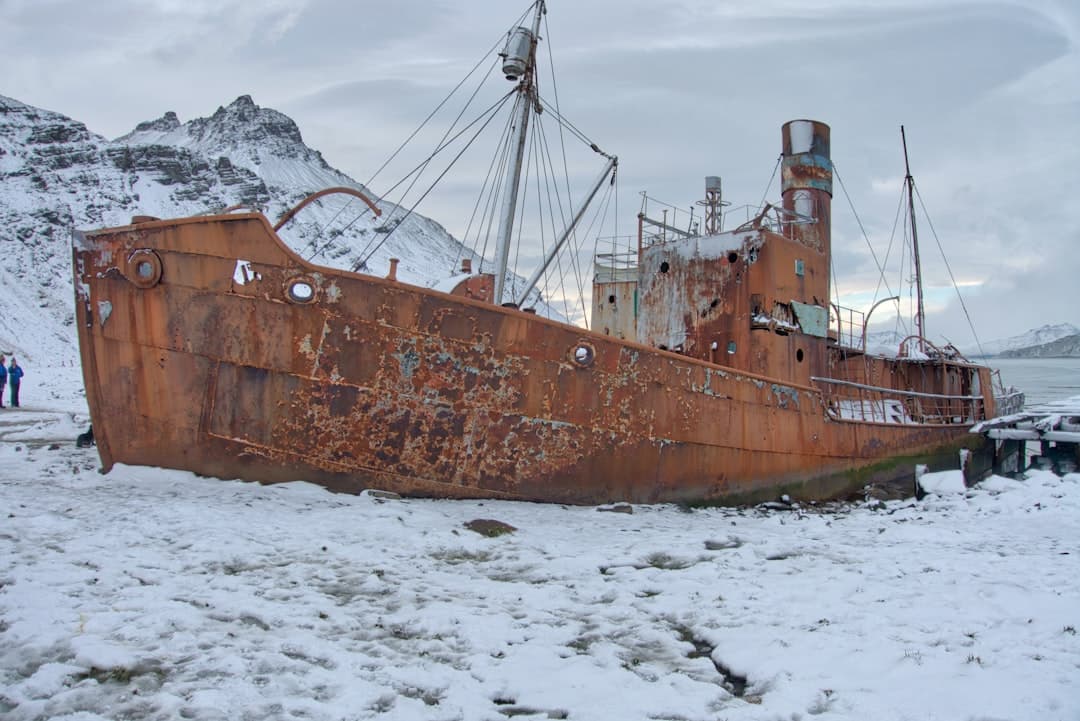
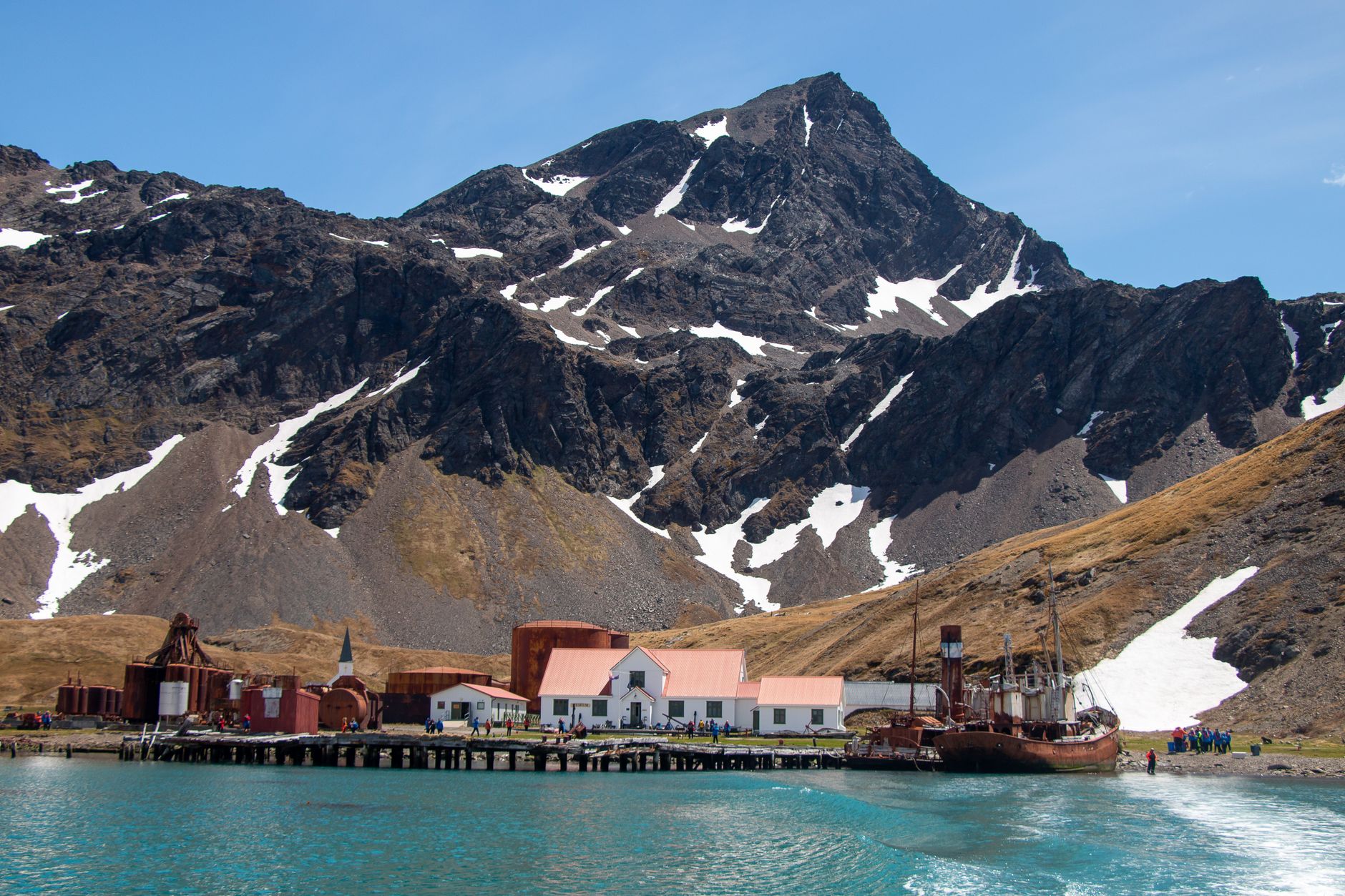
Grytviken does not announce itself the way a great harbor city does. There is no runway, no dock master waving you in, only a scatter of rust-red buildings, wallowing elephant seals, and a scent of guano and cold iron that reaches the ship before the anchor drops. This was a working whaling station from 1904 until 1965, and it is also where Ernest Shackleton died aboard the Quest on 5 January 1922, weeks into what was meant to be his fourth Antarctic expedition. He is buried in the small cemetery above the bay, and his grave has become the single most photographed few square meters on South Georgia.
For travelers who have read South, or watched Frank Hurley's grainy footage of the Endurance crushed in the pack ice, Grytviken is where the story resolves. This is the harbor Shackleton reached in May 1916 after an open-boat crossing of the Southern Ocean that still reads as barely plausible. The museum inside the old station manager's villa holds relics of that crossing, the cemetery holds the man, and the mountains behind the settlement hold the route his final overland march took. A single well-timed landing here can carry more history per hour than almost anywhere else on a polar itinerary.
Grytviken Quick Facts
Following the Boss's Calendar: South Georgia's Narrow Sailing Season
South Georgia sits deep in the Southern Ocean, and its visitor season runs opposite the northern calendar: austral spring through autumn, roughly late October to March. If you are reading this during a northern winter, that is precisely when most operators open booking for the coming season, since cabins on South Georgia-inclusive voyages sell out further ahead than Antarctic Peninsula-only trips. November and December bring nesting fur seals and elephant seals hauled out in their thousands on the beaches near Grytviken, while January adds fledging king penguin chicks at nearby colonies. By March the light turns gold earlier in the afternoon and the crowds of pups have thinned, though landings can still run smoothly.
Grytviken itself is typically the calmest landing on a South Georgia itinerary, sheltered inside Cumberland Bay, and ships can often put you ashore even when swell has canceled plans elsewhere. King Haakon Bay is the opposite case. It faces open ocean on South Georgia's exposed south coast, and captains build flexibility into the schedule precisely because a landing at Peggotty Bluff or Cave Cove depends on a calm window that may only appear for a few hours in an entire voyage. Expect your expedition leader to hold this site loosely on the printed itinerary and confirm it only once the ship is close.
Go with someone who knows
The right suite, the right season, the reservations that never appear online — your Cordelie advisor knows them, and holds them for you.
Plan with a Cordelie advisorThree Landings That Retrace the Boss's Final Journey
The South Georgia Museum occupies the whaling station manager's villa, a timber house built between 1912 and 1916 and now run by the South Georgia Heritage Trust. Inside, a scale model of the James Caird sits near photographs Frank Hurley made during the Endurance expedition, alongside Shackleton's own compass and letters written from the Quest in his last weeks. Entry is generally covered within your voyage's landing arrangements, and the small museum shop sells prints, books, and the station's own postage stamps. Give yourself 30-45 minutes here before the walk uphill; the exhibits reward a slow pass rather than a scan.
From the museum, a gravel path climbs about ten minutes to the cemetery, where Shackleton lies among Norwegian whalers under a granite headstone facing south toward the pole he never reached. This is where the toast tradition happens: expedition guides typically carry a bottle of whisky ashore, pour a measure over the grave, and pass the rest to pour for each guest to drink to 'the Boss,' Shackleton's nickname among his crew. Bring your own hip flask if you want a personal dram rather than the shared bottle. Above the cemetery, a further 20-30 minute walk up to Hope Point brings you to the memorial cross his men erected, inscribed with a line from Robert Browning that Shackleton was known to love.
King Haakon Bay and Stromness carry the rest of the story. At Cave Cove and Peggotty Bluff on King Haakon Bay's northern shore, the exhausted crew of the James Caird landed in May 1916 after 17 days at sea from Elephant Island, roughly 800 nautical miles away. Weather permitting, ships cruise close along these cliffs by Zodiac so guests can see the exact stretch of coast where six starving men made landfall. From Peggotty Bluff, Shackleton, Frank Worsley, and Tom Crean set off on a roughly 36-hour crossing of South Georgia's unmapped interior to reach Stromness whaling station on the north coast, a journey some voyages let guests partially retrace as a guided shoreline walk from Fortuna Bay, about 4-5 miles and 3-4 hours on foot, ending with a view down onto Stromness itself, which remains closed to landings due to asbestos in the derelict buildings.
Grytviken and the Endurance Trail in Pictures
No Hotels on South Georgia: Your Address Is Your Cabin
There is nowhere to sleep ashore at Grytviken. The only permanent residents are the handful of scientists and government officers stationed at King Edward Point, a short walk from the museum, and their base is not open to overnight visitors. Every traveler who reaches Grytviken does so as a day landing from an expedition ship, which means choosing your ship is effectively choosing your accommodation for the whole voyage.
Ships that regularly include South Georgia on a combined Falklands-South Georgia-Antarctica itinerary, typically 18-23 days round-trip from Ushuaia, include Lindblad Expeditions' National Geographic Endurance and National Geographic Resolution, Quark Expeditions' Ultramarine, Aurora Expeditions' Greg Mortimer and Sylvia Earle, Silversea's Silver Endeavour, Hurtigruten's Roald Amundsen and MS Fram, and Ponant's L'Austral and Le Boréal. Cabin categories on these voyages range widely: expect polar-view or window staterooms starting somewhere in the low five figures per person for the full South Georgia-inclusive itinerary in recent seasons, rising well past that for balcony suites and owner's accommodations. Prices shift by ship, season, and how far ahead you book, so treat any figure as a starting point rather than a quote.
A Whalers' Church, a Working Post Office, and a Dram for the Boss
There is no restaurant, café, or shop selling food at Grytviken; every meal on your visit happens aboard ship, and most expedition vessels build their menus around the day's landings, plating a warming soup or stew for the moment you come back aboard cold from the beach. What Grytviken does offer is culture in miniature. The small white Norwegian Lutheran church, built in 1913 for the whaling community, still stands consecrated and is occasionally used for a wedding or memorial service by visiting captains and crews. Nearby, the King Edward Point post office sells South Georgia's own postage stamps and will hand-cancel postcards with the station's postmark, a genuinely collectible souvenir for the price of a stamp.
The deeper cultural story here is conservation. The South Georgia Heritage Trust led a multi-year rat eradication program across the island, declared complete in 2018, that has allowed ground-nesting birds like the South Georgia pipit to recolonize areas they had been absent from for over a century. Guides at Grytviken will often point out pipits or South Georgia pintails near the old station as evidence the project worked. It gives the whisky-and-grave ritual a second layer: you are toasting a man who died chasing exploration, on an island now being carefully returned to something closer to what it was before whalers and rats arrived.
“I hold that a man should strike out for himself, and rest content with nothing less than the highest of his aims.”
From Zodiac to Boot Print: How You'll Actually Move Through Grytviken
There are no roads, vehicles, or taxis anywhere on South Georgia. Every landing, including Grytviken, happens by inflatable Zodiac launched from the anchored ship, and a typical landing lasts about two to three hours depending on weather and how many groups the ship is cycling ashore. Before you ever step into a boot on South Georgia soil, expect a biosecurity check: outer layers, boot soles, and bag closures get vacuumed and scrubbed as part of protocols set by the South Georgia Government and the International Association of Antarctica Tour Operators, to keep seeds and invasive species off the island.
Once ashore at Grytviken, the walking is gentle and self-paced. It is a flat five-minute stroll from the jetty past the old try-pots to the museum, then another ten minutes uphill on a gravel path to the cemetery. Fur seals haul out directly along this route, especially November through December when territorial bulls can be genuinely aggressive; guides carry hiking poles specifically to redirect curious or angry seals, and you should stay close to your group rather than wandering the shoreline alone. The extended walk to Hope Point adds roughly 20-30 minutes each way and climbs enough to offer a full view back down over Cumberland Bay and the ship at anchor.
Three Days That Trace the Boss's Final Route
Grytviken: Museum, Grave, and the Toast to the Boss
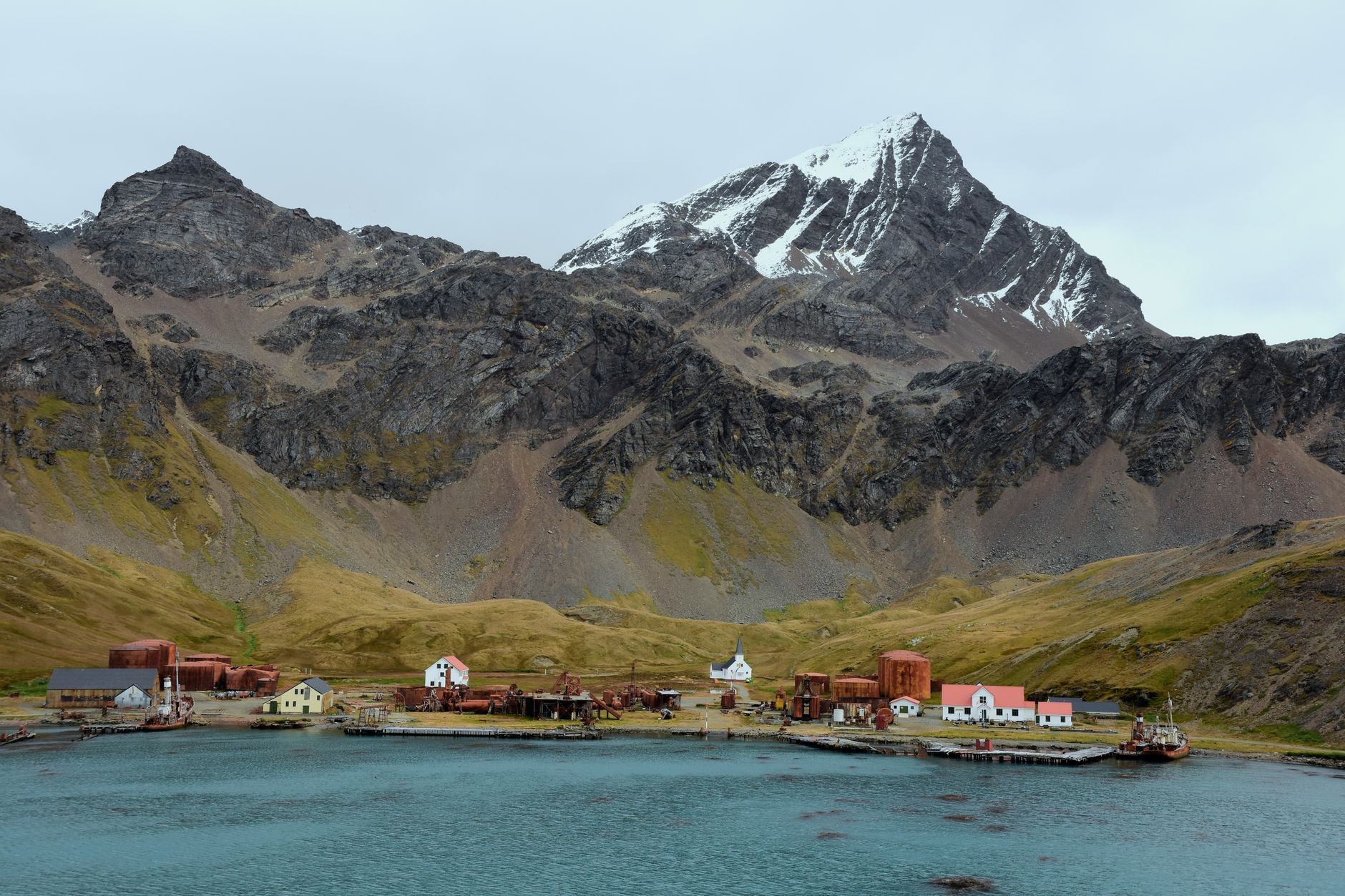
Ships usually schedule Grytviken as a morning landing, since it sits inside sheltered Cumberland Bay and rarely cancels for weather. After the biosecurity check on deck, Zodiacs run guests ashore in small groups over roughly an hour.
Spend your first 30-45 minutes in the South Georgia Museum, then follow the path up through the fur seal colony to Shackleton's grave for the whisky toast. Guests with time and stamina continue the further climb to the Hope Point memorial cross before returning to the ship for a late lunch.
King Haakon Bay: Following the James Caird's Landfall
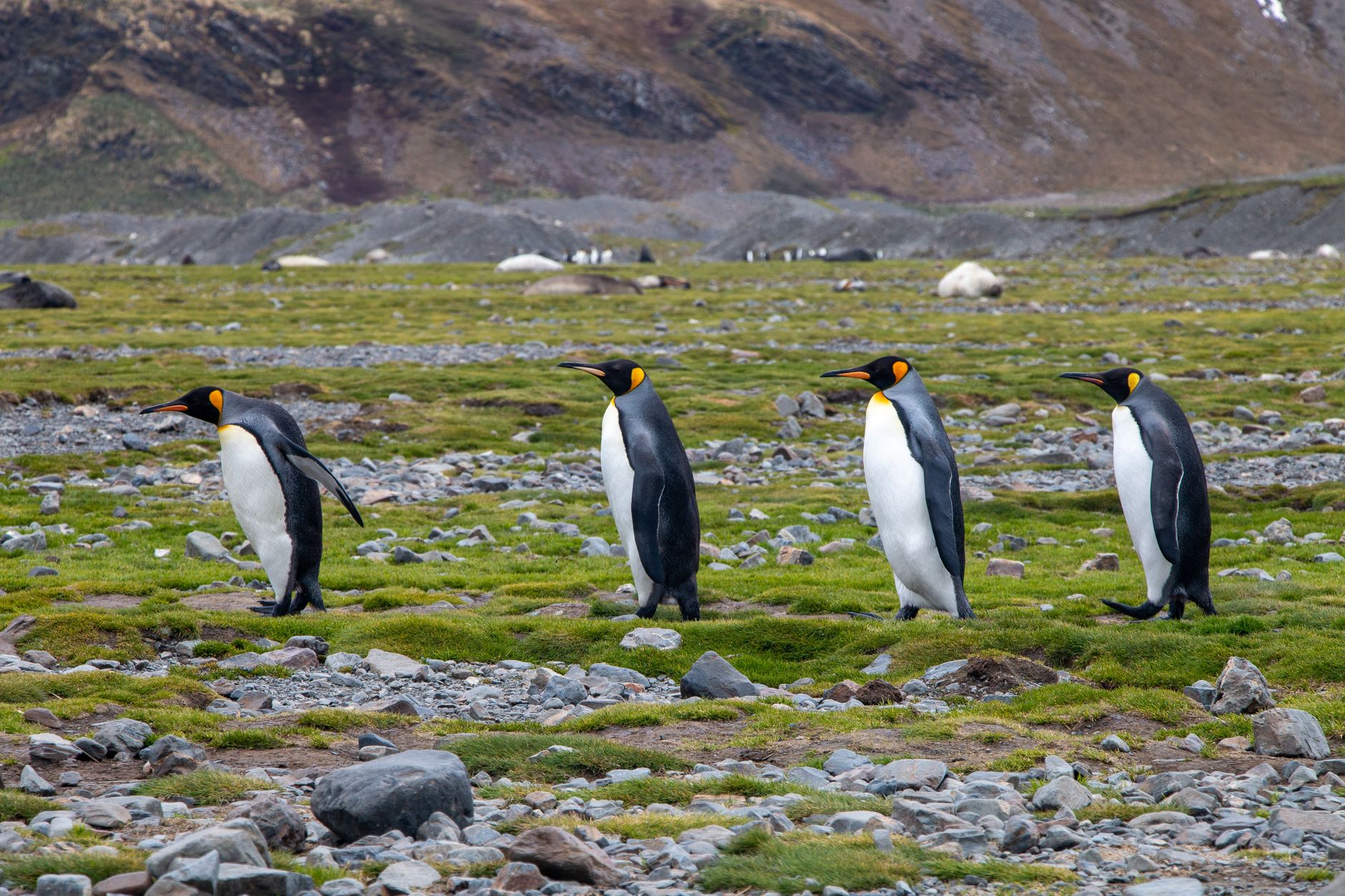
This landing is held loosely on the schedule and confirmed only once conditions allow. If the ship can approach, expect a Zodiac cruise along the cliffs at Cave Cove and Peggotty Bluff rather than a full landing, since this coast has no formal shore infrastructure.
Your guide will narrate the 1916 crossing in real time against the actual landscape: the exhaustion of the James Caird's crew, the decision to leave Frank Wild and two others behind while Shackleton, Worsley, and Crean set off across the interior. It is a quieter day than Grytviken, dependent entirely on the sea.
Fortuna Bay and Stromness: The Final Miles on Foot
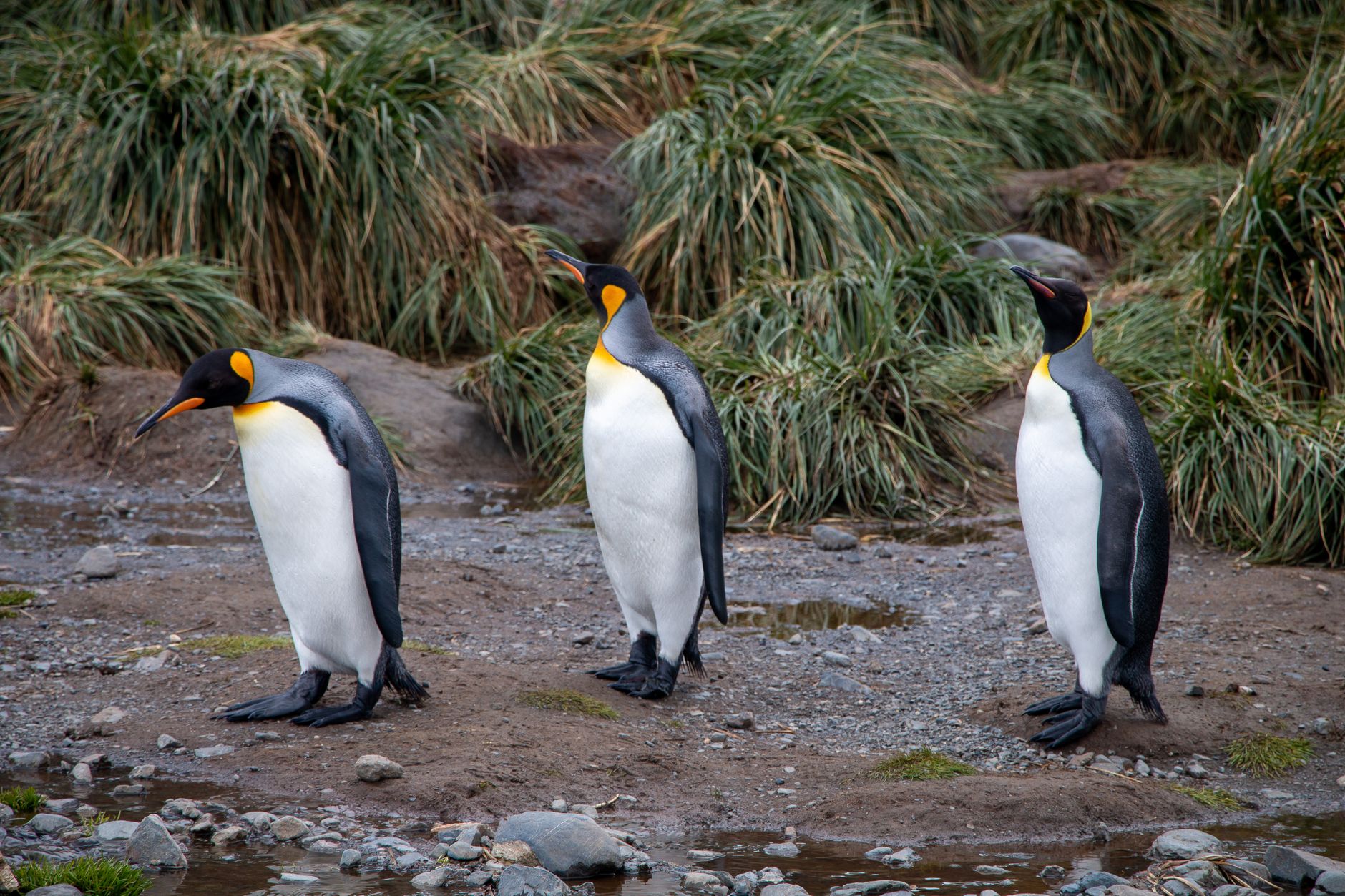
Fortuna Bay, on South Georgia's north coast, hosts a substantial king penguin colony and is the starting point for the optional guided walk that partially retraces Shackleton, Worsley, and Crean's final push, roughly 4-5 miles and 3-4 hours over open, tussock-covered terrain.
The hike ends on a ridge overlooking Stromness whaling station, which the trio reached exhausted on 20 May 1916. The ship, having repositioned around the coast, meets hikers at Stromness for pickup; landings on the station itself remain closed due to asbestos in the buildings, so this view from the ridge and the water is as close as visitors get.
Not every Antarctic voyage calls at South Georgia. Many affordable Peninsula-only sailings never leave the Drake Passage corridor, and even among South Georgia departures, some prioritize wildlife beaches over the Grytviken and King Haakon Bay history that matters most to readers of South. A Cordelie advisor knows which ships, which sailing dates, and which itinerary segments give you the fullest version of the Shackleton story, from cabin category through to which historical landings each operator has actually delivered in recent seasons.
Let a Cordelie advisor craft your South Georgia voyage around the sites that matter to you, matching ship, timing, and cabin to the trip you actually want to take, rather than the closest package on sale.
Grytviken and the Endurance Trail at a Glance
An unmissable half-day for anyone drawn to Shackleton's story, reachable only as one stop within a longer South Georgia voyage.
Grytviken rewards a slow morning: museum, grave, church, and a climb to Hope Point, all within a couple of hours' walk from the jetty.
King Haakon Bay and Stromness demand more patience, since weather decides whether either landing happens at all, but together the three sites let you walk the closing chapters of the Endurance expedition in the place they actually occurred.

Sarah Chen has covered Asia for twelve years, first as a wire reporter in Jakarta and now from Singapore, where she keeps a standing list of the region's most misunderstood destinations. She writes about the distance between what a place is famous for and what it is actually like to spend a week in — and is happiest on an overnight train with a bad seat and a good view.