How to Choose a Ganges River Cruise Between Varanasi and Kolkata
Key Facts
Choosing Your Varanasi to Kolkata Ganges River Cruise
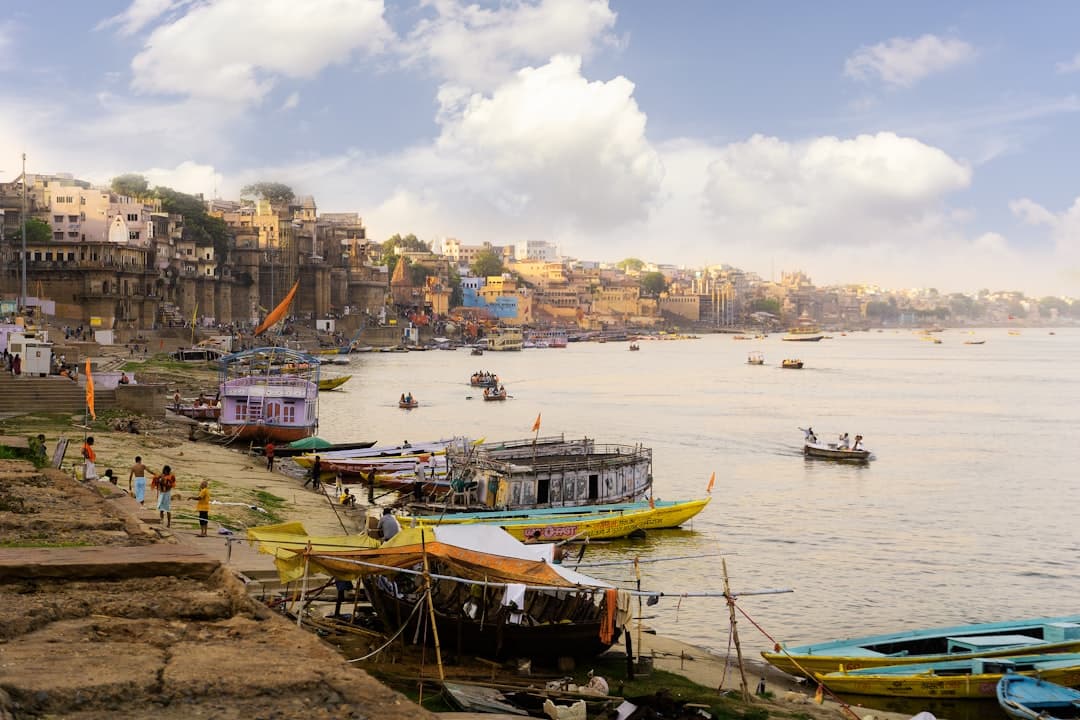
A Ganges river cruise between Varanasi and Kolkata offers an unhurried way to witness the river's spiritual and historical heartland—ancient ghats, colonial towns, and monasteries that anchor Indian cultural life. The journey covers roughly 1,000 kilometers of navigable river over 7 to 14 days, moving at a pace that lets you absorb the landscape rather than chase it. Winter (October through March) is the only season when water levels permit reliable navigation; outside these months, the river either runs too low or too high for safe cruise operations.
Your choice comes down to three practical decisions: how long you can commit, which style of vessel fits your comfort and budget, and whether you want an all-inclusive narrative or flexibility to explore on your own. This guide walks you through each.
How Long Should Your Cruise Be?
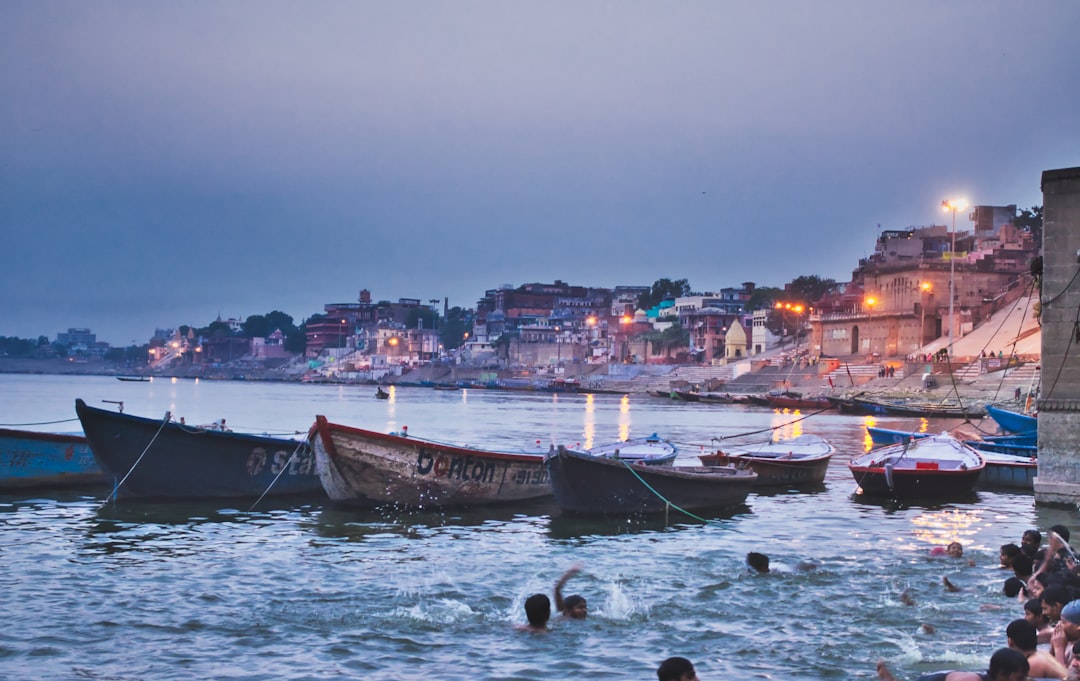
Most operators offer cruises in three main lengths: 5 days (Varanasi to Patna), 7 days (Varanasi to Bhagalpur or Asansol), and 10–14 days (Varanasi to Kolkata, the full route). Five days works if you have limited time but want a sample; you'll see Varanasi, Sarnath's Buddhist temples, and Patna's museum and riverfront. Seven days lets you add the textile hub of Bhagalpur and smaller towns where fewer cruises call. Ten to fourteen days is the journey that justifies the expense—it includes all major stops, morning excursions into towns you'll never otherwise visit, and the rhythm that makes river travel restful rather than rushed.
Winter water levels begin to drop from late February onward, and cruises sometimes cancel or operate part-itinerary in March. If you're traveling in March, book early and confirm departure dates directly with the operator before buying flights.
The Ganges is navigable for cruises only October through March. December and January offer the most stable conditions; February sees slightly lower water levels but is still reliable. By late March, some cruises begin to cancel or operate shortened routes.
Vessel Types and What They Cost
Ganges cruises fall into three categories: mainstream river ships, heritage boutique vessels, and homestays-on-water. Each has a different pitch and price point.
Mainstream river ships like the Oberoi Zahra or the Ganges Voyager carry 50–80 passengers and offer Western-style cabins with en-suite bathrooms, climate control, and dining halls. These are comfortable, reliable, and good for families or travelers who want familiar logistics. A 10–14 day cruise on a mainstream vessel costs roughly ₹3–6 lakh per person (US$3,600–7,200), depending on cabin grade and inclusions. Breakfast and lunch are usually included; dinner and excursions vary by package.
Heritage vessels are smaller—typically 20–40 passengers—and run at a slower pace with more time in villages and on-foot exploration. Many are converted traditional wooden boats or house-boats with period detailing. Expect less air conditioning and more ceiling fans, shared bathrooms on some boats, and a more intimate but less predictable experience. Heritage cruises range from ₹2.5–5 lakh per person (US$3,000–6,000) for the same duration. Operators running heritage vessels include GeoEx, Uniworld, and others; verify current availability and routes directly before booking.
Always ask what is included. Some packages cover all meals, guided excursions, and gratuities; others add only breakfast and require you to pay for shore activities separately. A 10-day cruise that quotes ₹4 lakh but excludes excursions and lunch actually costs ₹5–6 lakh by the time you're done. Request a full itemization in writing before committing.
Major Stops and What You'll See
Most 10–14 day itineraries follow a similar route with variations. Varanasi is always the start—you'll have 1–2 days to visit the ghats, Manikarnika Ghat (the main cremation site), and temples like Kashi Vishwanath. From there, cruises move downstream.
Sarnath, a short drive north of Varanasi, is where Buddha delivered his first sermon. Most cruises include a half-day excursion to the Buddhist shrine complex there. The Dhamek Stupa and attached museum anchor the site; plan 2–3 hours if you're moving unhurried.
Patna is the first major river town after Varanasi (roughly 4 days downstream). The Patna Museum holds Mauryan-era artifacts and is worth an hour or two; the riverfront Ghighat Ghat offers a livelier scene than Varanasi's cremation sites. Bodh Gaya, site of the Mahabodhi Temple—where Buddha is said to have attained enlightenment—lies about 100 kilometers south and is an optional add-on excursion on some cruises, not a standard river stop.
Bhagalpur, further downstream, is less touristy and a good place to see daily river life: silk weavers, fishermen, children playing on the banks. Some cruises anchor there overnight; others pass through during the day. Asansol marks the beginning of industrial Bengal. From there, the river widens and the landscape shifts toward the flat, agricultural terrain of the delta.
Kolkata is the final destination for full-route cruises. You'll dock in the center near the Hooghly riverfront. Most travelers spend 1–2 nights in Kolkata afterward to visit the Victoria Memorial, St. Paul's Cathedral, or the Indian Museum—all within walking distance or a short taxi ride from the ghat. Kolkata Airport is about 20 kilometers northeast and is well-connected to Delhi and international hubs.
Timing, Logistics, and What to Bring
Book your cruise 2–3 months in advance during peak season (November–January). Winter cruises fill quickly. Most operators require a deposit (typically 25–50% of the cruise fare) to hold your cabin; final payment is due 60–90 days before departure.
You'll need to arrange flights to Varanasi (the start point) and from Kolkata (the end) separately. Varanasi Airport is small but receives flights from Delhi, Mumbai, Bangalore, and Kolkata. Budget 5–7 hours for the flight from Delhi. Return flights from Kolkata to your onward destination are straightforward; Kolkata is a major hub.
Bring light layers—mornings are cool (50–65°F / 10–18°C in January–February), afternoons are warm (70–80°F / 21–27°C), and the river breeze is stronger than you expect. Quick-dry clothes and sandals are practical for boat life. Sun protection (hat, sunscreen, lightweight cover-up) is essential; the sun reflects off the water and the exposure is real. Binoculars are useful for bird-watching and spotting wildlife on the banks.
Bring medications and toiletries you know; small towns have limited pharmacies and specific brands may not be available. Portable phone chargers are worth their weight—power outlets on small vessels are limited and unpredictable.
Mornings begin early—often 5:00–6:00 AM for sunrise on the river or a guided walk in town. Breakfast follows. Mid-morning excursions last 1–2 hours; lunch is aboard (usually generous). Afternoons are free time—reading, sitting on deck, napping. Tea is served around 16:00. Dinner is a communal affair with other passengers. Don't expect Wi-Fi beyond the dock; connectivity is inconsistent on the river. Some travelers love the unplugging; others find it disorienting. Decide which you are before you book.
Questions to Ask Before You Commit
Before booking, confirm with the operator: (1) What happens if water levels drop and navigation becomes unsafe? Do they shorten the itinerary, offer a refund, or reschedule you? (2) Are excursions guided in English, or do you need to hire a translator separately? (3) Which meals are included and which are your cost? (4) What is the cabin cancellation policy if you need to postpone? (5) Are there single cabins, or will you be paired with a roommate? (6) Does the price include gratuities for guides and crew, or is that an additional 15–20%?
Check the operator's recent reviews on independent travel sites (TripAdvisor, Trustpilot) and ask to speak with someone who has recently completed the cruise. Small issues—a noisy engine, slow Wi-Fi, inconsistent meal quality—matter when you're on water for a week.
Practical Tips for Your Journey
Spend your first night in Varanasi before the cruise departs. Arriving on the same day as embarkation is stressful; a night in a hotel lets you adjust to the time zone and see the ghats at dawn. Book a hotel near Assi Ghat or Dasaswamedh Ghat—walking distance to the main activity. Check-in at the cruise office is typically at 14:00 or 15:00, so you have time.
If traveling with children, confirm the vessel has a safe railing and ask whether the crew has experience with young passengers. River water is not sanitary; keep children away from the edge and ensure they don't drink tap water (bottled water is provided aboard). Older children (10+) usually enjoy the rhythm and the novel environment; very young children may find the monotony boring.
Money: Carry both Indian Rupees and a credit card. Smaller towns have limited ATMs; withdraw cash in Varanasi before boarding. Tipping is expected for guides and crew—budget roughly ₹300–500 per day (US$3.60–6) split among the group. Excursions offered on-shore (visits to small temples, markets) typically cost ₹200–1,000 (US$2.40–12) and are cash-only.
Photography: The light on the Ganges is extraordinary early morning and at sunset. Bring a camera or use your phone; the river provides endless subjects. Be respectful around cremation ghats in Varanasi—mourning ceremonies are happening, and photographs of the deceased are deeply inappropriate.
A Cordelie advisor can match you to the right vessel for your temperament and budget, manage all the logistics (flights, hotels, ground transport), and negotiate package terms that would take you hours of email chains. They'll also have direct relationships with operators and can often secure upgrades or add experiences—a private birdwatching excursion, a dinner in a local home, a textile workshop visit—that aren't listed in standard itineraries. Let a Cordelie advisor craft your perfect Ganges journey.
Go with someone who knows
The right suite, the right season, the reservations that never appear online — your Cordelie advisor knows them, and holds them for you.
Plan with a Cordelie advisor
Priya Raman has spent eleven years testing whether a destination works with a four-year-old, a teenager and a grandparent in the same party. She writes the version of the guide that accounts for nap times and still gets you to the good stuff, and travels from Toronto with a carry-on she can pack in nine minutes.