Key Facts
Japan's Ancient Capital: Why Kyoto Demands Your Winter Attention
Kyoto is where Japan's past stays alive—not as museum exhibition, but as daily life. Seventeen UNESCO World Heritage sites cluster within the city's sprawl. Monks still chant in temples that predate European Renaissance. Geisha still walk the streets of Gion at dusk. The city has survived wars, fires, and modernization by stubbornly staying itself. Winter strips away the shoulder-season crowds and thermal haze that obscure the landscape from April through October, leaving you with clear skies, crisp air, and temples surrounded by quiet. This is the season when Kyoto's scale becomes apparent—when you can actually move through Arashiyama's bamboo groves without fighting for photograph angles.
What Makes Kyoto Different—Especially in the Cold Months
Kyoto was Japan's imperial capital for over a thousand years, and that lineage shapes everything. Unlike Tokyo's aggressive modernity, Kyoto's downtown still holds wooden machiya buildings, narrow lanes, and gardens designed five centuries ago. The city is a network of distinct neighborhoods, each with different rhythms: Gion for geisha culture and narrow alleyways; Arashiyama for bamboo, temples, and hiking; Philosopher's Path for walking and smaller shrines; Higashiyama for temples, artisan shops, and steeper terrain.
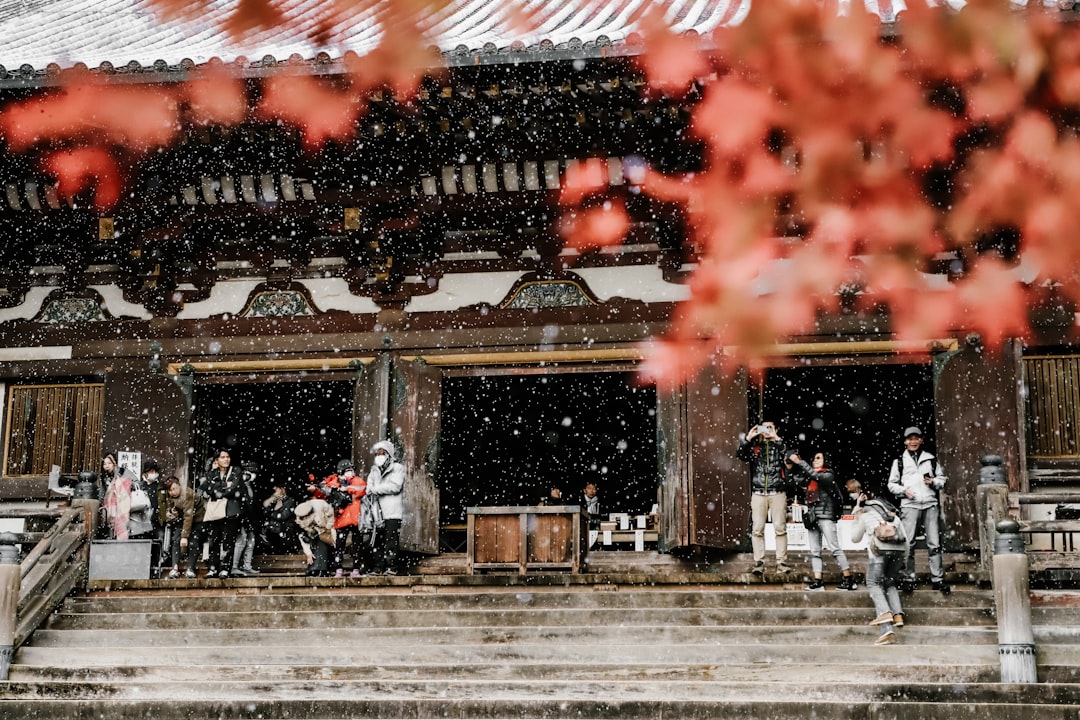
Winter temperatures range from about 2–10°C (36–50°F), with occasional snow near the city's edges and in surrounding mountains. That cold keeps crowds modest—hotels are cheaper, temples are less jammed, and buses move faster. The trade-off: you'll need a real jacket, waterproof gear, and closed-toe hiking boots if you plan to move through countryside shrines or climb to viewpoints like Kiyomizu-dera's northern slopes.
Kyoto has no train line direct from Kansai International Airport (Osaka's main hub). You must travel via Osaka Station (about 90 minutes by express train) or take a private shuttle or rental car. Plan 2–2.5 hours door-to-door in winter traffic.
Logistics That Matter Before You Arrive
Kyoto Station sits at the city's southern edge. Most temples and neighborhoods require a 15–40 minute bus ride or a taxi (about 1,500–3,000 JPY / $10–20 USD depending on distance). An IC card, bought at the station's convenience store, is non-negotiable; it works on all buses and the two Kyoto train lines. A single journey costs about 230 JPY ($1.50 USD). A day pass for unlimited bus travel runs about 1,100 JPY ($7–8 USD) and pays for itself after five rides.
Kyoto's bus system is logical once you learn the main routes. The 100 and 101 loops circle the city center and hit most major temples. Winter reduces frequencies slightly but not drastically. Download the Kyoto Bus app or write down route numbers before you start; drivers rarely speak English and stops are signed in Japanese with small English placards.
Accommodation fills faster in winter than you might expect—December around New Year's, late January, and February during school holidays see serious pressure. Mid-week nights (Tuesday–Thursday) are cheapest. Hotels near Kyoto Station run about 8,000–15,000 JPY ($55–100 USD) for modest three-star comfort; central neighborhoods like Shimogyo charge 12,000–20,000 JPY ($80–135 USD) for the same class but closer to temples. Hostels are 3,000–5,000 JPY ($20–33 USD) per bed.
Many Kyoto temples close by 16:00 or 17:00, especially in winter. Entry is usually 600–1,200 JPY ($4–8 USD). Plan your temple route in reverse chronological order of closing time, or you will arrive at a locked gate.
Move Fast, See Deep: Winter Strategies That Work
Winter in Kyoto rewards speed and specificity. Do not try to visit every temple—there are over 1,600. Instead, build your days around walking neighborhoods and hitting one or two major sites per day, arriving early to beat even the modest winter crowds.
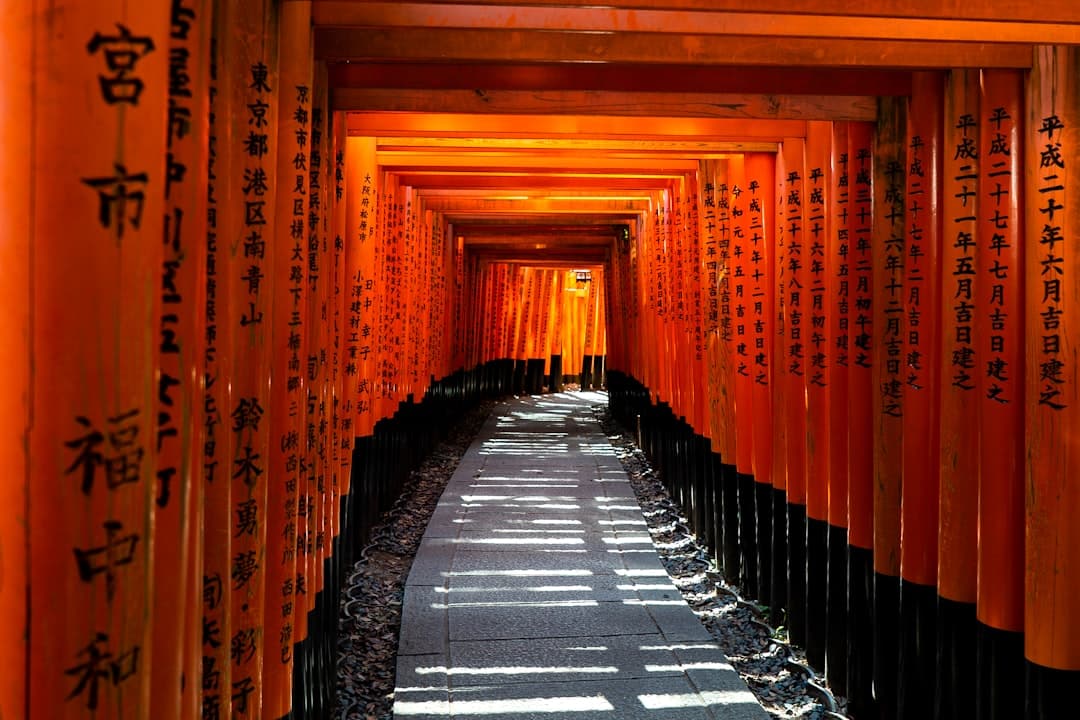
Start at Fushimi Inari (south of Kyoto Station, about 15 minutes by local train). The tunnel of vermillion torii gates extends up a hillside through forested paths. Most tourists hit the first 15 minutes and leave; continue upward for an hour on terrain that steepens and quiets. In winter, the forest drains of humidity, the stone steps are slippery, and you will need hiking boots—but you will also have long sections entirely to yourself. The site is free and open dawn to dusk year-round.
From there, take the train north to Gion and walk the neighborhood on foot. Hanami-koji Street runs east-west through the geisha district's core. It is narrow, lined with old wooden teahouses, and crowded by midday but manageable in early morning (before 08:00). Geisha do move through these streets in winter, though less frequently than in summer. Walk the side alleys (especially Pontocho to the west, along the Kamogawa River) where the crowds thin and the architectural detail remains high. This is hiking of a different kind—urban, textured, and requiring good footing on wet stone.
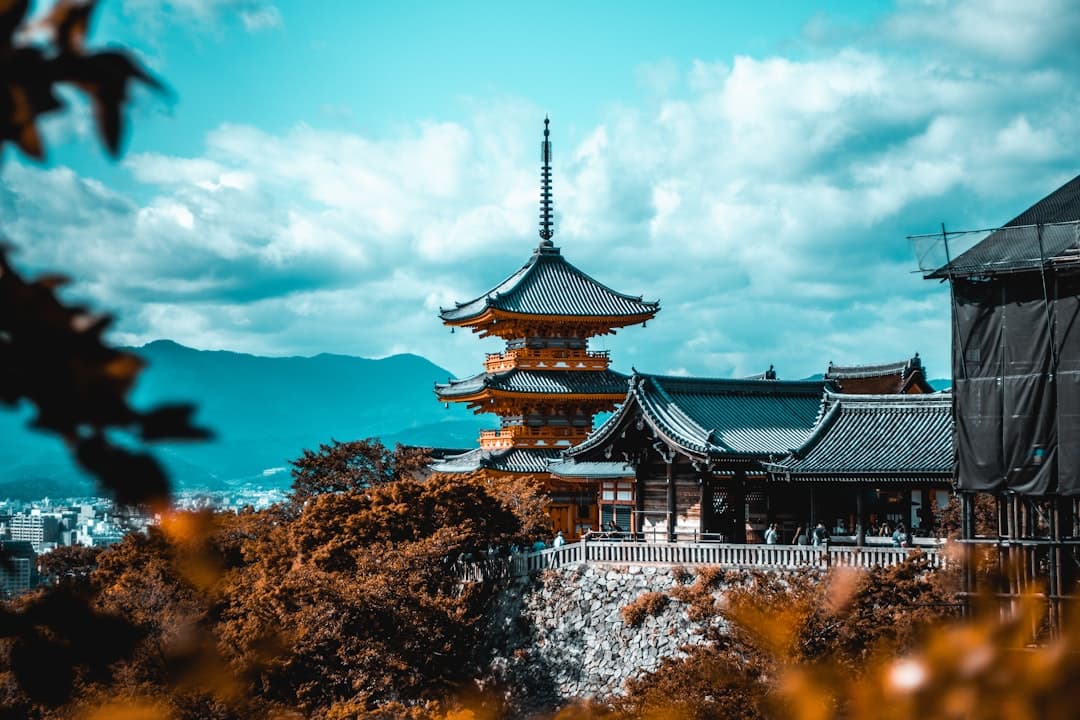
Kiyomizu-dera (Higashiyama ward) is the most visited temple in Kyoto. Go at 08:00 when it opens; you will have perhaps 20 minutes before the first bus tours arrive. The entry fee is about 1,200 JPY ($8 USD). The wooden veranda overlooks Kyoto's downtown and the forested slopes to the east. In winter, visibility is crisp and the light is low and golden. Walk north from Kiyomizu through the Higashiyama temple district; the hillside is terraced with smaller shrines, shops, and narrow lanes that funnel fewer people as you gain elevation. This is a 2–3 hour walk with about 200 meters of cumulative ascent—moderate pace, doable in winter boots with microspikes if there is ice.
Arashiyama's bamboo grove (Sagatenryuji bamboo forest) is often crowded, but winter changes the equation. The narrow paths are still narrow, but fewer people means you can actually stop and listen. The bamboo is tallest (up to 18 meters) and the path runs about 400 meters through the thickest section. Entry is free. Walk through early or late (the site has no gates, so technically it is accessible 24 hours, though paths are unlit). The grove is adjacent to Tenryu-ji Temple, which has a fee of about 1,000 JPY ($7 USD) for the garden alone, about 1,600 JPY ($11 USD) if you want to enter the temple buildings.
Philosopher's Path is a 2-km canal-side walking route in the northern part of the city, lined with cherry trees (bare in winter) and small temples. It is less intense than climbing Higashiyama but perfect for a morning walk before the city fully wakes. The path connects several small shrines and ends at Nanzenji Temple, which has a stone aqueduct and spacious grounds that feel less pressurized than downtown sites. Admission to Nanzenji is about 600 JPY ($4 USD) for the garden; temple buildings cost an additional 600 JPY.
Winter temple access is straightforward for the major sites, but seasonal closures and rare snow days do happen. If you have limited time and cannot afford to miss specific temples, a Cordelie travel advisor can book guided group tours that adjust in real time for weather, confirm opening hours, and navigate the language barrier for you. This saves hours of phone calls and double-checks—time you can spend actually moving through Kyoto.
Eating Winter Kyoto: Where Real Food Actually Happens
Kyoto cuisine (kaiseki and shojin ryori, the vegetarian temple cooking) is a discipline built around seasonal ingredients. Winter means root vegetables, pickled foods, and warming broths. Eating in Kyoto is not about hunting Michelin stars—it is about moving through neighborhood restaurants where locals eat.
Omen Kodai-ji (Higashiyama ward) serves udon in a 400-year-old building. The noodles are hand-rolled daily, the broth is built from kombu and bonito, and a basic bowl runs about 1,000–1,500 JPY ($7–10 USD). It opens at 11:00 and fills by 12:30. Go early or expect a queue.
Yudofu (tofu hot pot) is a winter specialty. Gion Tanto (Gion ward) cooks it at the table—thick slices of tofu in a simmering broth with vegetables, dipped in citrus or sesame sauce. Dinner is about 4,000–6,000 JPY ($27–40 USD) per person. Lunch sets are cheaper, around 2,500–3,500 JPY ($17–23 USD).
Kawamichiya (Nishiki Market area) is a standing sushi bar where the chef works a 3-meter counter. About 10 seats, cash only, no English menu. You point at pieces in the display case. Budget about 3,000–4,000 JPY ($20–27 USD) for 10–12 pieces. It closes at 18:00 most days.
For budget meals, konbini (7-Eleven, Family Mart) sell onigiri, instant ramen, and bento boxes for 500–1,000 JPY ($3–7 USD). They are a lifeline between temples when restaurants are closed or too crowded.
Gear and Ground Truth for Winter Movement
Kyoto is a walking city, and winter requires specific preparation. Temples are built on hillsides. Paths are stone and often wet. Snow is rare downtown but common at elevation or in the surrounding valleys. Bring: waterproof hiking boots with good ankle support and a tread pattern (Salomon, Merrell, or ASOLO models work); a waterproof jacket and rain pants; a fleece or merino mid-layer; microspikes or light crampons if you plan to hike above 400 meters elevation (icefall is uncommon but happens). Japanese shoe racks at temple entrances are tiny—having your own footwear you can remove quickly matters.
A small daypack (20–25L) for water, snacks, and a camera is essential. Kyoto's buses run on a pay-per-ride system—have coins ready (bills work but change can be awkward). A portable battery pack keeps your phone alive for translation and navigation. Waterproof stuff sacks for your phone are worth the weight; winter rain is common and temple grounds are slick.
Difficulty ratings for the main walks: Fushimi Inari upper loop is moderate to hard (sustained climbing, exposed terrain, can be slippery); Higashiyama terraced temple walk is moderate (steady elevation gain, stairs, 2–3 hours total); Philosopher's Path is easy (flat, paved, 30–45 minutes); Arashiyama bamboo grove is easy (flat, crowded, 20 minutes through the core).
Cordelie Travel Advisor Tip
Planning a trip like this? Our experienced travel advisors can help you design the perfect itinerary, find the best deals, and handle all the details.
Talk to a Travel AdvisorDiscover Southeast Asia with Cordelie Travel
Handcrafted itineraries for Bali, Thailand, Vietnam, and beyond. Expert local guides, boutique hotels, and authentic experiences.
Plan Your TripBali Temple & Beach
10-day cultural immersion with private guide
From $2,499Vietnam North to South
14-day journey from Hanoi to Ho Chi Minh
From $3,199Thailand Islands
7-day island-hopping adventure
From $1,899
Adventure travel writer and outdoor enthusiast. From hiking the Andes to diving in the Maldives, Marcus covers the world's most thrilling destinations with practical, safety-conscious advice.
Related Articles
 best of list
The Best Things to Do in Kyoto
From the torii tunnels of Fushimi Inari to a nail-free wooden stage at Kiyomizu-dera, here's a ranked, practical guide to the best of Kyoto — with fees, hours, and how to beat the crowds.
 destination guide
The Complete Guide to Kyoto: Temples, Gardens & Hidden Gems
Discover Kyoto's 2,000 temples, bamboo groves, and geisha districts in Japan's former imperial capital. From golden Kinkaku-ji to Fushimi Inari's torii gates.