The Wind Off the Bosphorus: Five Days Chasing Warmth Through a Cold Istanbul
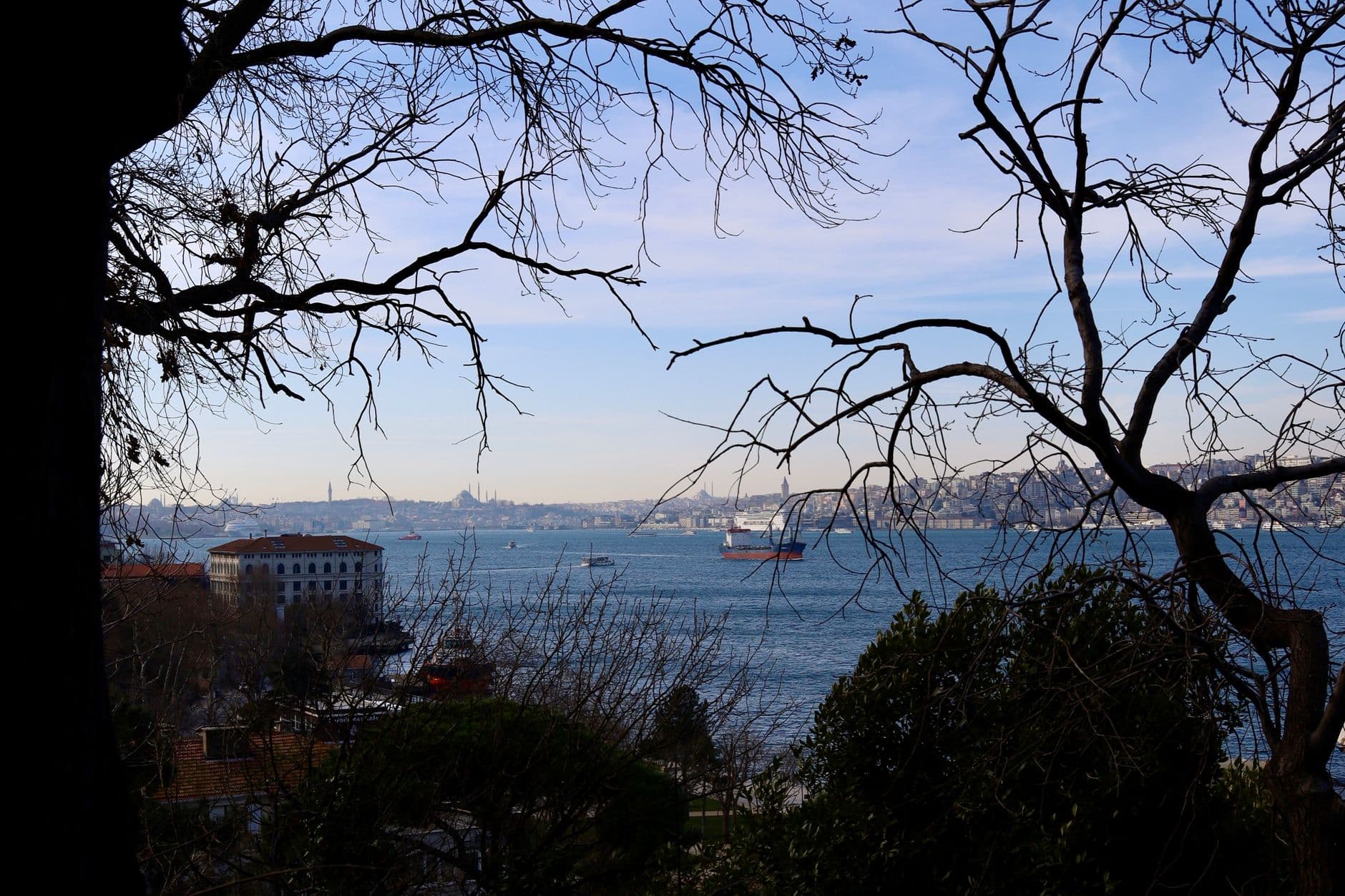
My hands were numb before I'd even cleared customs at Istanbul Airport, and I remember thinking that was a strange way to start a trip to a city I'd always pictured drenched in summer light. But Istanbul in January runs on a different current. The Bosphorus was churning grey-green under a sky the color of wet concrete, and the call to prayer drifted across the water sounding somehow louder in the cold, sharper, like it had nowhere to go but straight at you.
I'd booked five days, a mid-range hotel in Cihangir, and no fixed plan beyond a rough map covered in scribbles: hills to climb, water to cross, steam rooms to sit in. Winter strips Istanbul of its cruise-ship crowds and its 34C haze, and what's left underneath is a city that rewards people willing to move fast and layer up. This is the story of that trip, mosque by mosque, ferry by ferry, and the blisters I earned along the way.
“The city doesn't slow down for winter. It just gets quieter and colder and somehow more honest about what it actually is.”
Five Days on Foot, by Ferry, and Occasionally Sideways in the Wind
Sultanahmet in the Cold: Hagia Sophia, the Blue Mosque, and a Sunset That Fights the Wind
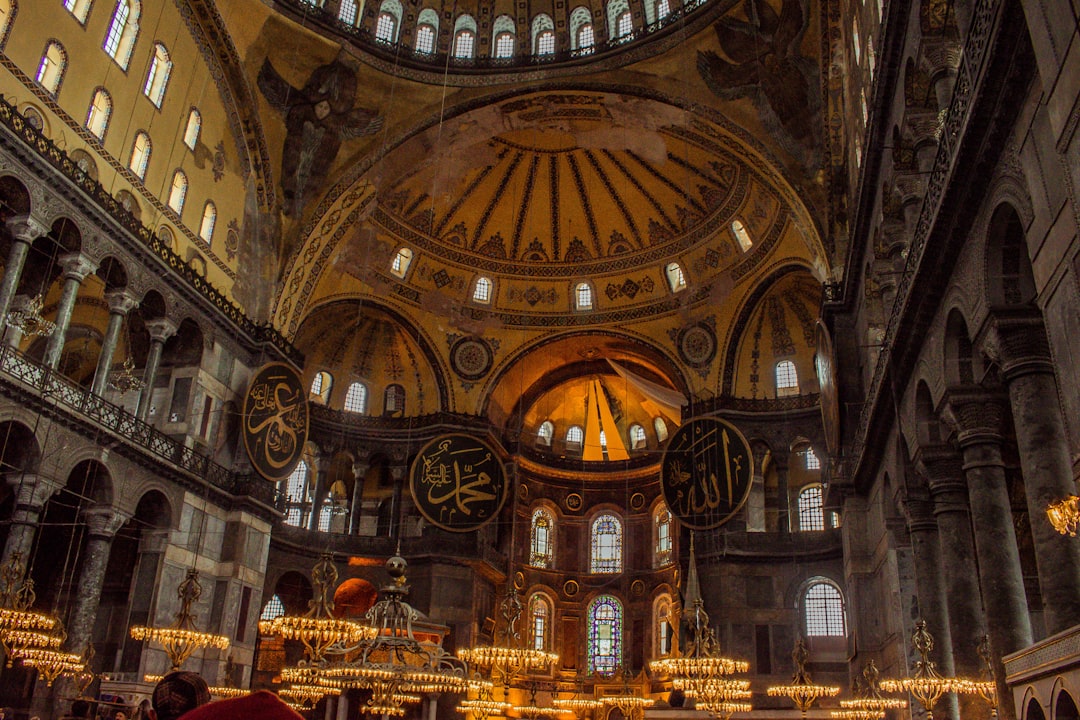
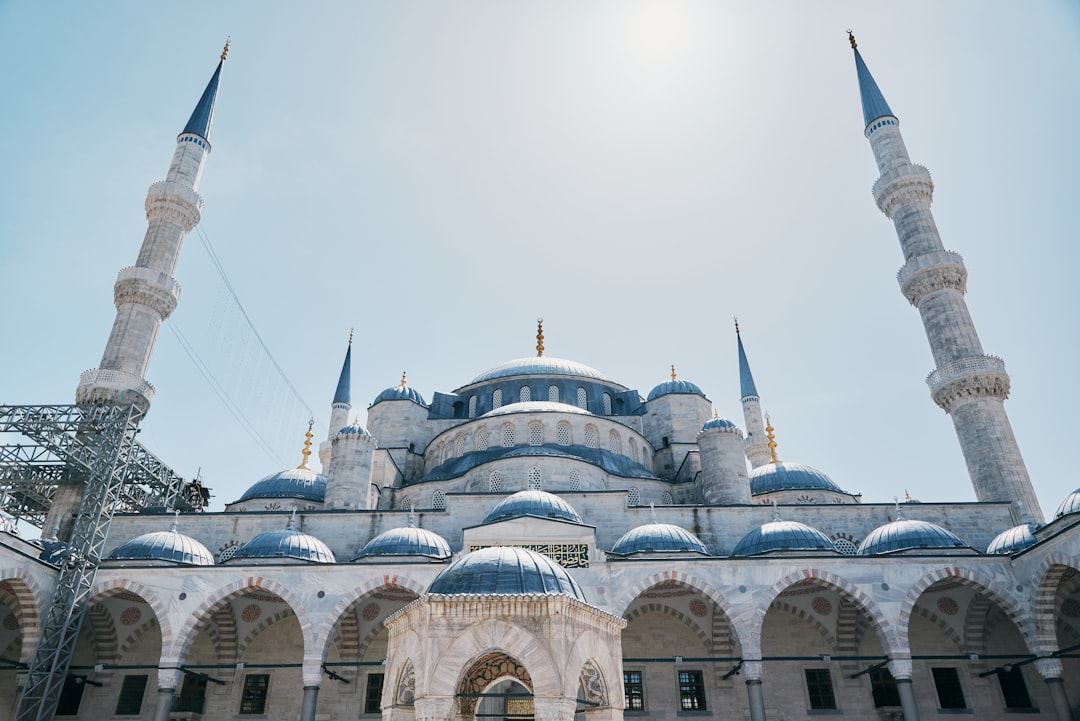
I dropped my bag at the hotel and walked straight into Sultanahmet Square with maybe ninety minutes of light left. Hagia Sophia was open until around 17:30 for tourist entry in the winter months, and the queue that would have wrapped the square in July was maybe forty people deep. I paid the roughly 25 EUR entry (late 2025 pricing, worth checking Ministry of Culture updates before you go) and walked into that vast dim space feeling the temperature drop another five degrees under the dome.
The Blue Mosque, properly the Sultan Ahmed Mosque, sits close enough that you can cross the square in under ten minutes on foot. It's free to enter outside prayer times, but in winter the closures for prayer come faster and the light fades by 17:00, so I timed my visit for early afternoon instead. Bare feet on cold marble floors is a genuinely bracing experience nobody warns you about; bring socks you don't mind losing to a plastic bag at the door.
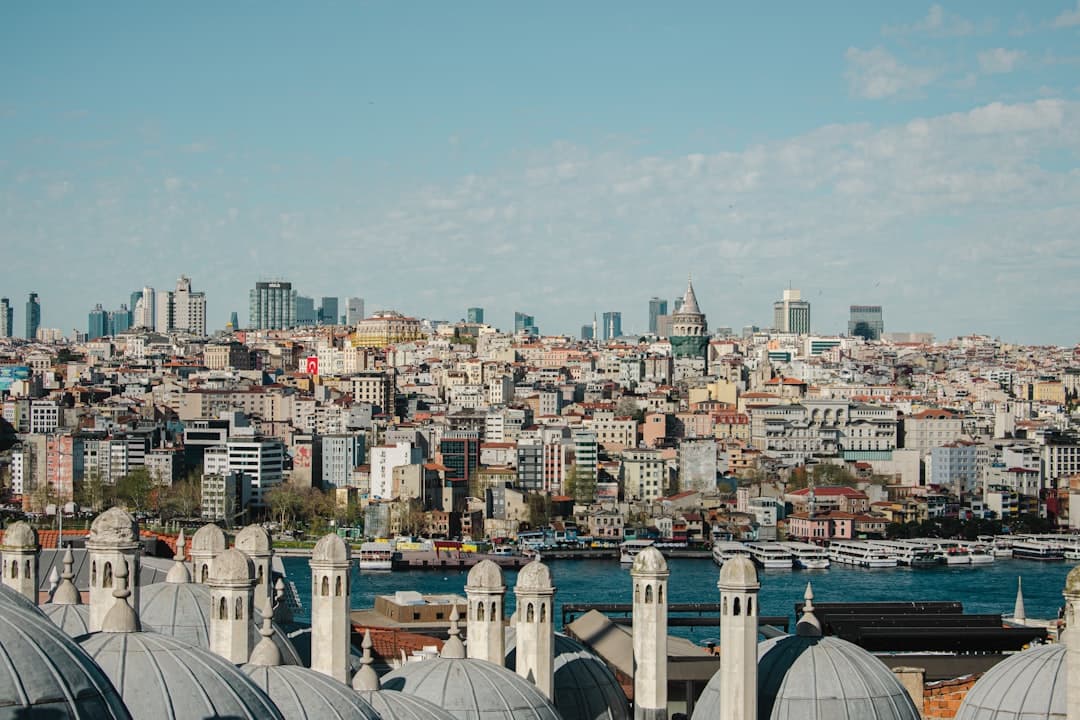
By sunset the wind off the Sea of Marmara had picked up hard enough that I gave up on a rooftop terrace and instead climbed the steps toward the Hippodrome, watching the light go copper over the minarets. Dinner was a simple lahmacun and a glass of ayran at a stall near Divan Yolu Street, eaten standing up because sitting outside was no longer an option.
A Rough Crossing to Kadıköy and the Climb up Çamlıca Hill
Day two was about the water. I caught the ferry from Eminönü to Kadıköy, which runs roughly every 20-30 minutes and costs a few euros with an Istanbulkart, the reloadable transit card every visitor should buy on arrival. The crossing takes about 25 minutes on a calm day; on a January morning with a stiff northeasterly, it felt considerably longer, and I spent most of it gripping the rail on the open deck like it owed me money.
Kadıköy on the Asian side felt like a different city entirely, less monument, more market. I wandered the Tuesday Bazaar streets, bought roasted chestnuts from a cart for less than 100 lira, and warmed my hands over the brazier while the vendor laughed at how cold I clearly was.
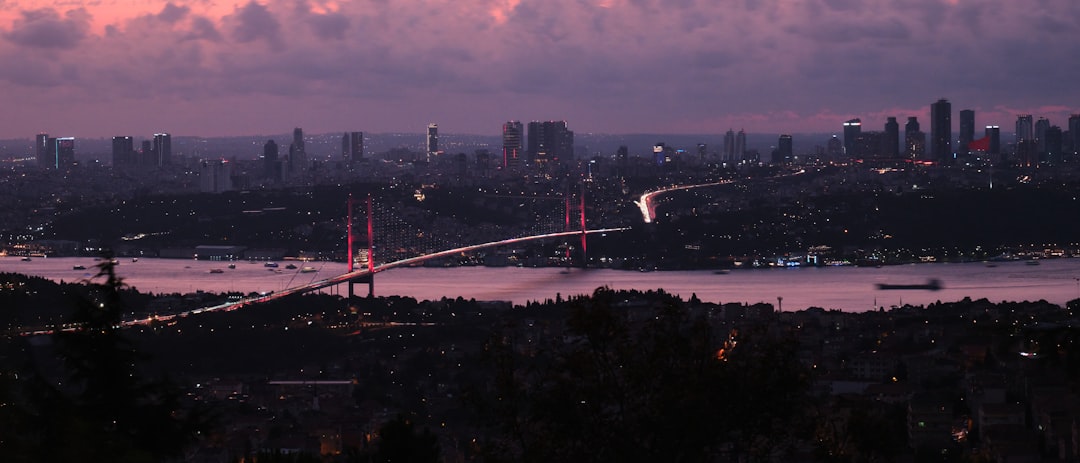
In the afternoon I pushed on to Büyük Çamlıca Hill, the highest point on the Asian side at roughly 288 metres, reachable by a 15-minute taxi or a longer bus ride from Kadıköy. The view from the top spans both bridges and the full curve of the Bosphorus, and in winter the visibility is often sharper than in summer's haze. I stood up there for twenty minutes just to feel my legs ache from the climb up the park paths, hands jammed in a windproof jacket that earned its keep for the first time all trip.
Getting Lost in the Grand Bazaar Before Steaming It Out at a Historic Hamam
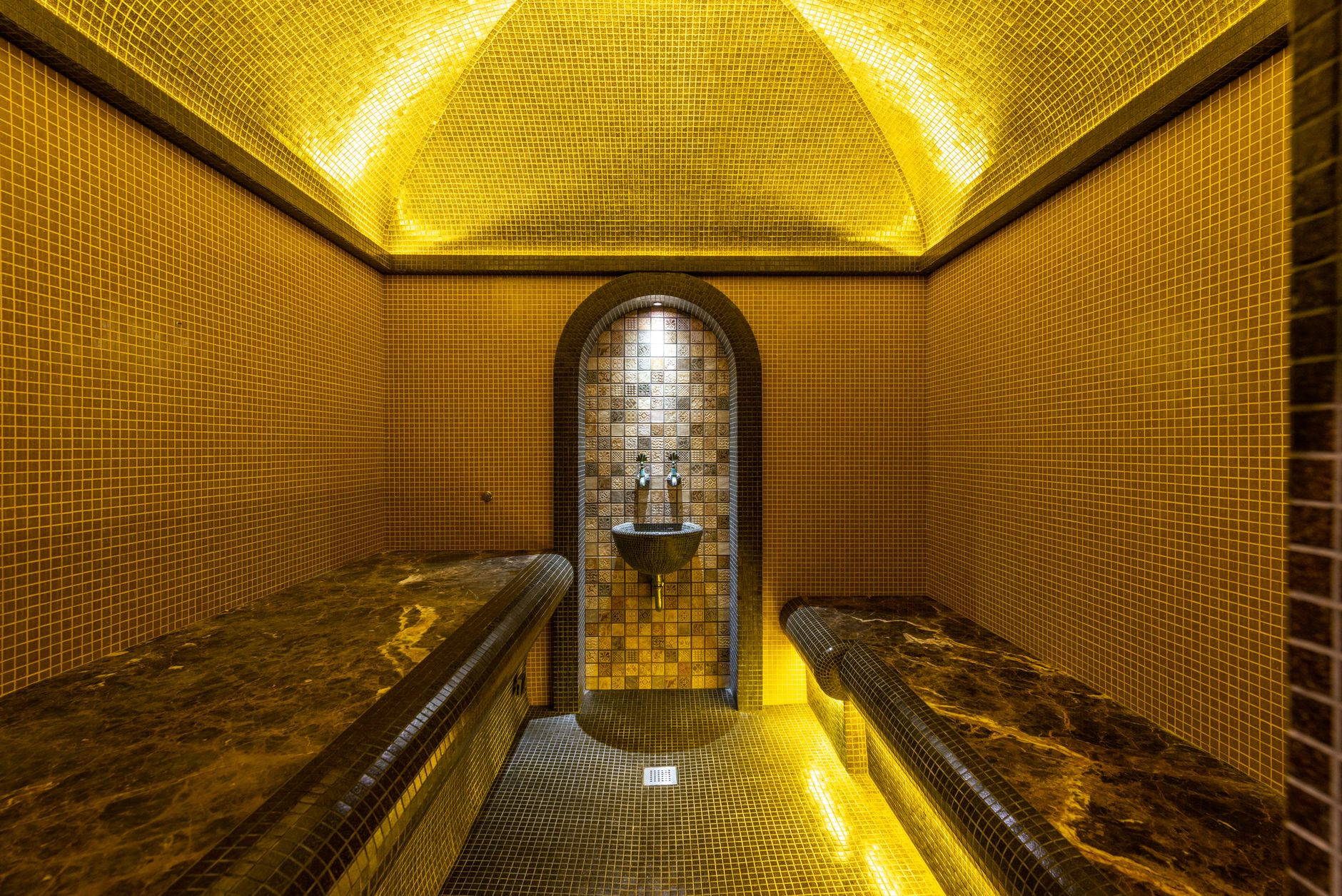
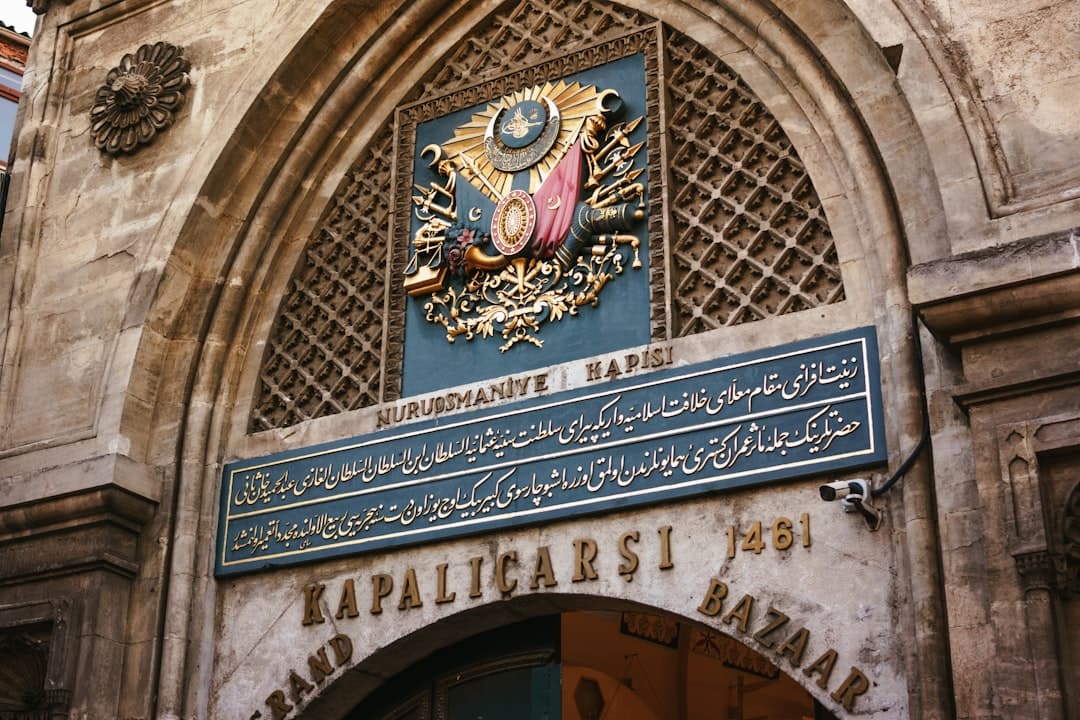
The Grand Bazaar opens around 09:00 and I arrived just as the shutters were going up, watching vendors carry in trays of Turkish delight before the corridors filled. Sixty-odd streets under one roof means you will get lost, and that's the point. I spent close to three hours in there, bought a hand-loomed scarf for around 40-50 EUR after some cheerful haggling, and drank three tiny glasses of tea I never once paid for directly.
By early afternoon my feet were done, so I walked the fifteen minutes to Çemberlitaş Hamamı, a working bathhouse built in 1584 that still runs a full traditional service: a hot marble slab, a scrub with a kese mitt, and a soap-foam massage that left me boneless. A full package runs roughly 45-60 EUR depending on season and add-ons, and it is, without exaggeration, the single best decision I made on a cold weather trip anywhere.
I walked out into the evening feeling ten degrees warmer than the actual temperature and climbed Galata Tower before it closed at 20:00, the 360-degree balcony delivering a wind so sharp it practically undid all that hamam warmth in under a minute.
Escaping the City for a Cold, Muddy Run Through Belgrad Forest
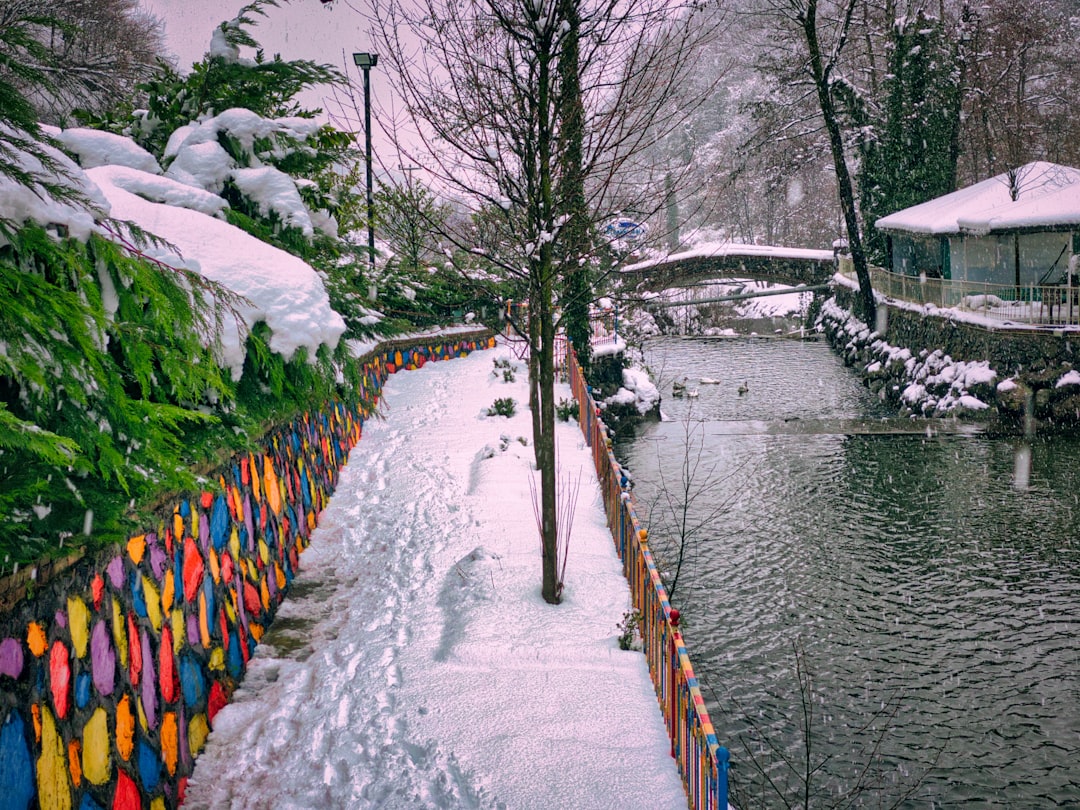
I needed one day that had nothing to do with domes or bazaars, so I took a taxi about 30 minutes north to Belgrad Forest, a sprawling reserve of beech and oak that once supplied Byzantine and Ottoman water systems and now supplies Istanbullus with their nearest real trail running. Entry costs a few euros per car, and in winter the paths turn to soft mud fast, so proper trail shoes with real tread are non-negotiable; I ruined a pair of ordinary sneakers within the first kilometre.
The main loop I ran, past the old Ottoman-era stone aqueducts, took just under two hours at a moderate pace, roughly 8-9 kilometres depending on which forks you take. Difficulty-wise it's an easy-to-moderate outing, nothing technical, but the cold and mud add real resistance, and I was glad of a windproof shell over a base layer rather than a heavy coat that would have soaked through.
I finished at a small lokanta near the forest entrance and ate a bowl of mercimek çorbası, red lentil soup, that cost under 5 EUR and did more for my core temperature than anything I'd eaten all week.
Slow Streets in Balat and a Last Bosphorus Sunset From the Water
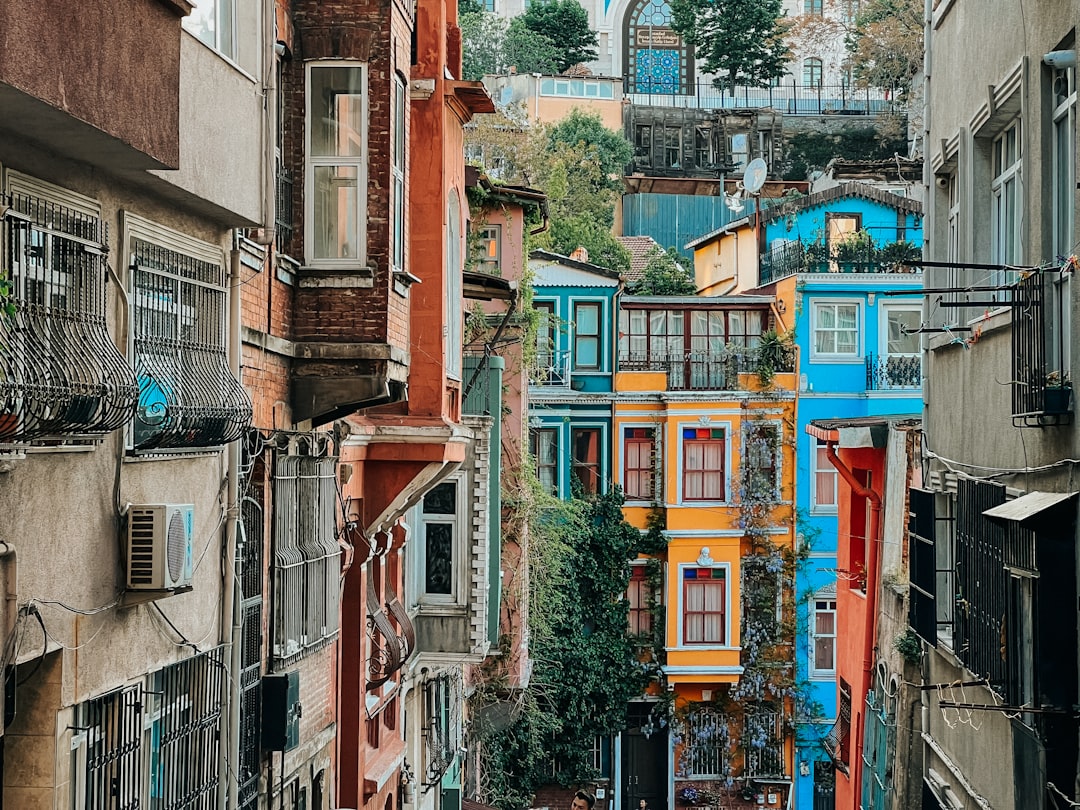
My last full day was the gentlest of the trip, wandering the colorful, hilly streets of Balat and Fener along the Golden Horn, where Ottoman-era wooden houses lean into each other above steep cobbled lanes. It's a photogenic neighborhood and it earns the reputation, but it's also a working district, so I kept my camera down when locals were clearly just living their lives.
I ducked into the Chora Church, known locally as Kariye, to see its Byzantine mosaics, some of the best-preserved in the city, restored across a long renovation and reopened as a working museum; check current hours before you go, as they shift seasonally and the site occasionally closes for further conservation work.
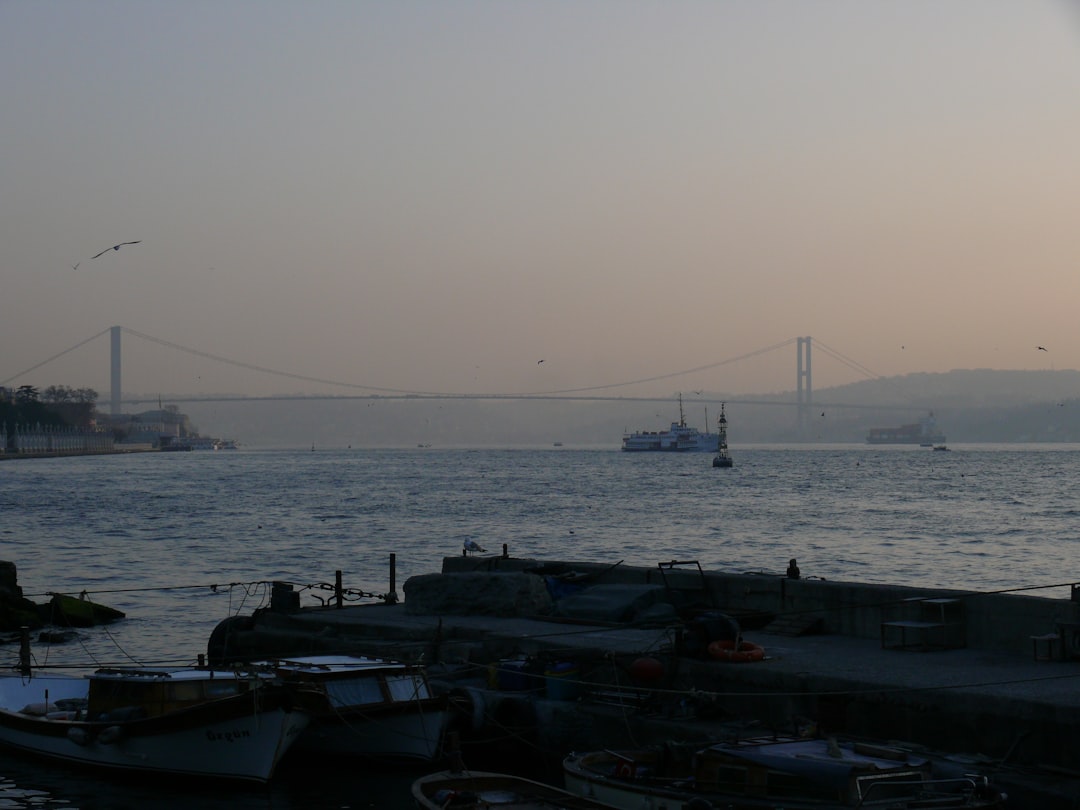
For a final evening, I booked a short private Bosphorus boat trip out of Ortaköy, about 45 minutes on the water as the sky went from grey to violet over the Bosphorus Bridge. It cost more than the public ferry, somewhere around 60-90 EUR for a small shared boat, but after four days of layering up against the wind, watching that skyline slide past from inside a heated cabin felt like the correct way to end things.
Scenes From the Trip
Discover Southeast Asia with Cordelie Travel
Handcrafted itineraries for Bali, Thailand, Vietnam, and beyond. Expert local guides, boutique hotels, and authentic experiences.
Plan Your TripBali Temple & Beach
10-day cultural immersion with private guide
From $2,499Vietnam North to South
14-day journey from Hanoi to Ho Chi Minh
From $3,199Thailand Islands
7-day island-hopping adventure
From $1,899The Hamam Slab, the Empty Dome, and Other Moments That Stuck
The single best physical sensation of the trip was lying on that heated marble slab, the göbek taşı, at Çemberlitaş Hamamı while snow was reportedly falling somewhere over the hills outside. There is something about doing something 440-year-old bathhouses have always done, in a room that hasn't fundamentally changed its purpose since 1584, that makes a modern spa day feel thin by comparison.
Second on the list: standing under the dome of Hagia Sophia with maybe twenty other people in the entire nave. I've seen photos of that space packed shoulder to shoulder in July, and winter gave me a version of it that felt almost private, my footsteps actually audible against the stone.
The unexpected highlight, though, was the forest. I hadn't planned on running trails in Istanbul at all, but Belgrad Forest gave the trip a physical spine it needed after three days of monuments and market stalls. Cold air in your lungs, mud up to your ankles, and Ottoman aqueducts appearing out of the fog like something from a different century entirely; it reset me for the final push through Balat.
Winter Eating: Soup, Simit, and the Case for Meze on a Cold Night
Istanbul in winter is a soup city. Mercimek çorbası, red lentil soup with a squeeze of lemon, showed up on nearly every menu I sat down at, usually for under 5 EUR, and it became my go-to reset between neighborhoods. İskembe çorbası, tripe soup, is the traditional after-midnight warmer, sold at stalls that stay open late specifically for people walking home cold; it's not for everyone, but it's worth one try.
For a proper sit-down dinner, I'd point anyone toward Karaköy Lokantası in Karaköy for classic Istanbul meze and grilled fish, or Çiya Sofrası in Kadıköy, which draws people across the Bosphorus specifically for regional Anatolian dishes you won't find on a Sultanahmet tourist menu. A full meal with a few meze plates and a main runs roughly 25-40 EUR a head at either place, more with raki. Street food carried me through most days: simit, the sesame-crusted bread ring, costs under a euro from any cart and is best eaten within the first ten minutes of buying it, while it's still warm enough to matter.
Coffee deserves its own line here. Turkish coffee, thick and unfiltered, is served everywhere for a couple of euros a cup, but it was the salep, a warm, cinnamon-dusted drink made from orchid tuber flour, that actually got me through the coldest afternoons. Street vendors sell it seasonally, usually from November through February, and it disappears from menus the moment spring shows up.
Winter is the easiest season to get into Istanbul's big sights without fighting a queue, but a few things still need advance planning: Çemberlitaş Hamamı and other historic hamams can book solid on weekend afternoons even in low season, and a private Bosphorus boat out of Ortaköy is far cheaper per person if you arrive with a small group already arranged rather than trying to fill a boat on the day.
A Cordelie travel advisor can lock in a hamam slot, a private boat departure, and a fast-track Hagia Sophia entry before you land, which matters more in a five-day trip than it sounds; losing half a morning to a fully booked bathhouse is the kind of thing that quietly wrecks an itinerary. It's worth a quick conversation before you book flights: https://cordelie.com/contact
Winter in Istanbul, Verdict
A cold, quiet, genuinely rewarding version of a city usually seen at full crowd and full heat.
This trip works best for travelers who'd rather move fast and layer up than lounge by a pool, and who don't mind a bit of wind and mud in exchange for empty domes and cheap hamam slots. Pack a windproof shell, real trail shoes for anything outside the old city, and thick socks for mosque floors.
Five days is enough to cover both sides of the Bosphorus, one forest escape, and at least one proper bathhouse session, without feeling rushed. Anyone weighing Istanbul against a warmer winter break should know: the city in January rewards effort, cold hands and all, in a way its summer version simply can't.
Cordelie Travel Advisor Tip
Planning a trip like this? Our experienced travel advisors can help you design the perfect itinerary, find the best deals, and handle all the details.
Talk to a Travel AdvisorDiscover Southeast Asia with Cordelie Travel
Handcrafted itineraries for Bali, Thailand, Vietnam, and beyond. Expert local guides, boutique hotels, and authentic experiences.
Plan Your TripBali Temple & Beach
10-day cultural immersion with private guide
From $2,499Vietnam North to South
14-day journey from Hanoi to Ho Chi Minh
From $3,199Thailand Islands
7-day island-hopping adventure
From $1,899
Adventure travel writer and outdoor enthusiast. From hiking the Andes to diving in the Maldives, Marcus covers the world's most thrilling destinations with practical, safety-conscious advice.
Related Articles
 best of list
The Best Things to Do in Istanbul
Istanbul rewards the active traveler in winter: fewer crowds, sharper Bosphorus views, and real climbs. Here are the 8 best things to do, ranked by effort and payoff.
 quick guide
Istanbul Quick Guide: Markets, Mosques & Mezze
Discover Istanbul's enchanting blend of ancient mosques, vibrant bazaars, and incredible cuisine. Your essential guide to markets, mezze, and must-see monuments.