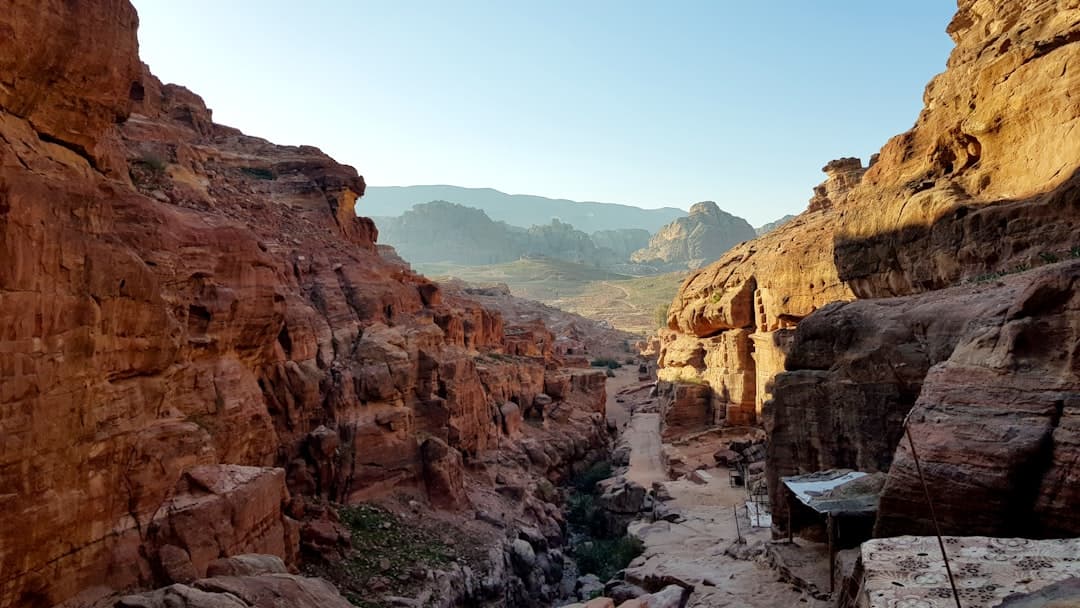
Amman by Lamplight: My Winter in the Middle East Begins
The taxi from Queen Alia International Airport climbed out of the valley just after 9pm, and Amman rose around me in tiers of yellow stone, the hillside apartment blocks lit like candles stacked on a shelf. It was mid-December and the air had a bite I hadn't expected from the Middle East, somewhere around 6 or 7 degrees Celsius, sharp enough that I was glad of the wool scarf I'd almost left at home. My driver, Nabil, had the radio tuned to a call-in show in Arabic and kept apologizing for the traffic on the airport road, though it never felt like more than a slow crawl past the Citadel's floodlit columns.
I'd come with a loose plan: five nights moving south through Jordan's desert, then east across the Arabian Sea to Oman, chasing the season when the Gulf's heat finally breaks and the sand cools enough to sit on after dark. Winter here isn't a compromise. It's when Petra's Siq is walkable without wilting, when Wadi Rum's Bedouin camps light fires that actually feel necessary, when Muscat's corniche fills with families instead of standing empty under a punishing sun. I checked into a small guesthouse near Rainbow Street, dropped my bag, and went straight back out to find dinner, unwilling to waste even the first cold, clear night.
“Winter in the Middle East isn't the desert of postcards. It's a hoodie zipped to the chin, sweet tea too hot to hold, and a silence in Wadi Rum that I can still hear if I stop talking long enough.”
Five Days Between Jordan's Red Rock and Oman's Silver Coast
Amman: Citadel Ruins, Rainbow Street, and a Plate of Hummus I'm Still Thinking About
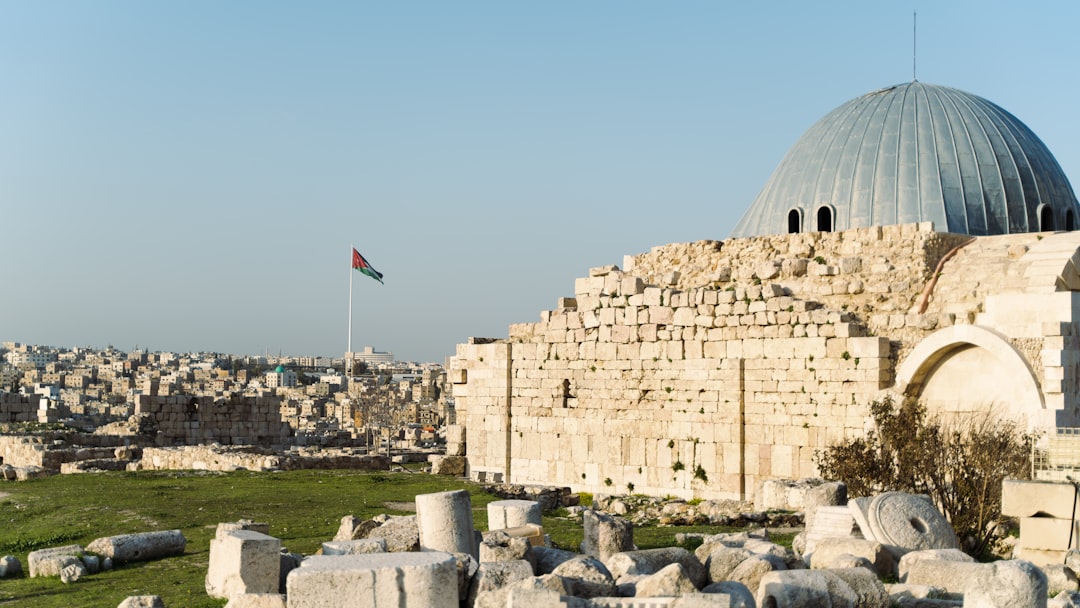
I spent the morning at the Amman Citadel, walking among the Umayyad Palace's stone arches with almost nobody else around, entry costing about 3 Jordanian dinars (roughly USD 4) at the gate. The view down over the Roman Theatre and the old downtown souks is the kind that makes you stop mid-step, especially with the winter light flat and clean rather than hazy with heat.
By early afternoon I'd walked down into Rainbow Street and then further into the downtown grid, where Hashem Restaurant does no-menu, no-frills hummus, falafel and foul for around 3 to 5 dinars a head, cash only, tables spilling onto the alley. Dinner was at a rooftop spot near Wild Jordan Center, where the Citadel lights up gold against a sky that had gone properly dark by 5:30pm.
Petra: Three Hours South to the Siq, the Treasury, and 800 Steps to the Monastery
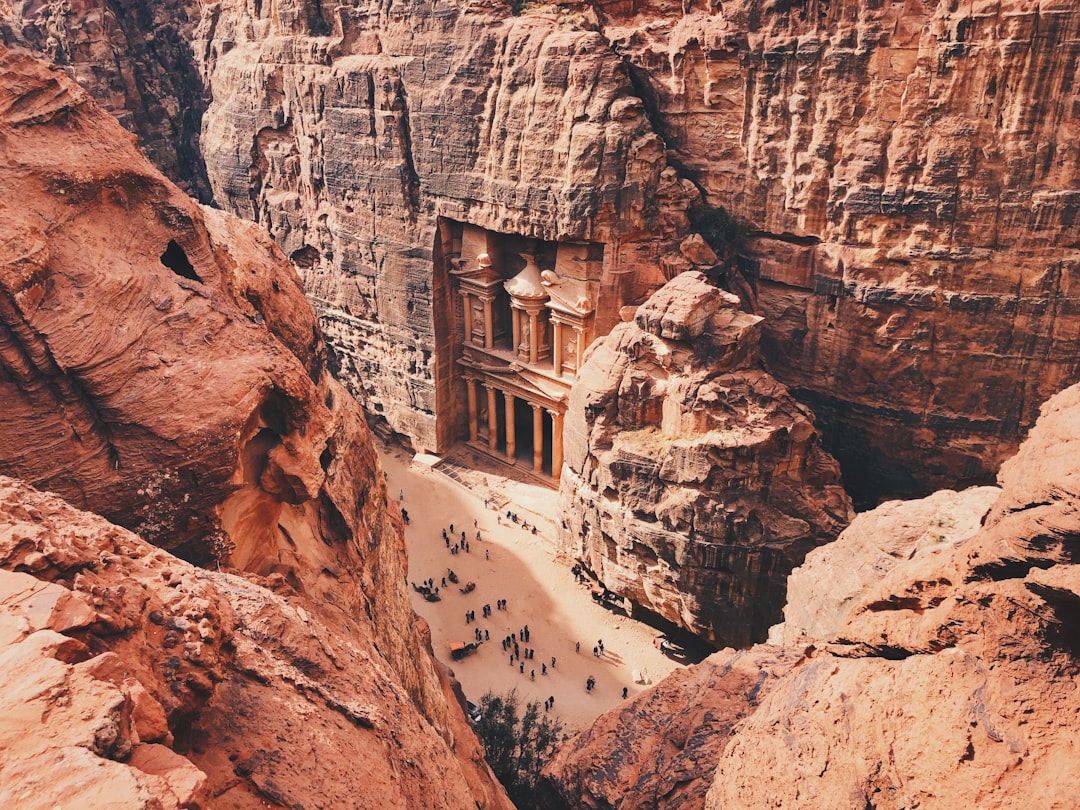
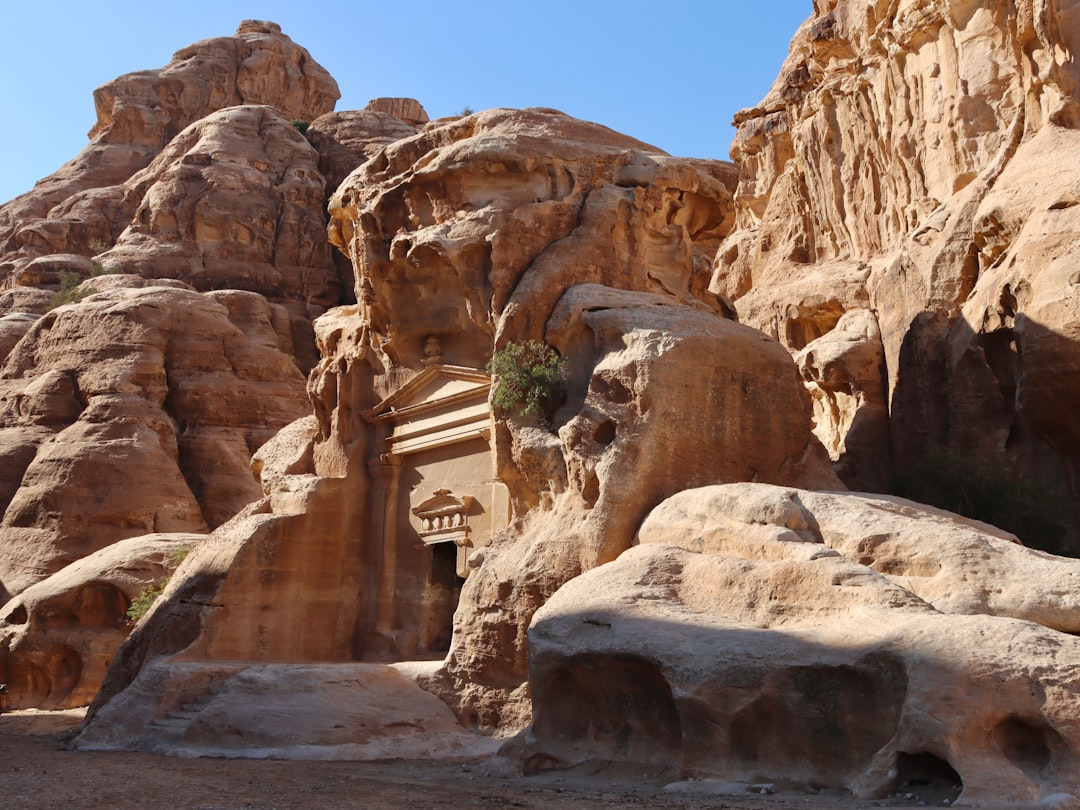
The drive south from Amman to Petra took about three hours along the Desert Highway, past Karak's crusader castle silhouetted on its ridge. I checked into the Movenpick Resort Petra, a short walk from the visitor entrance, then went straight in through the Siq, that narrow, winding gorge that opens without warning onto the Treasury's carved facade.
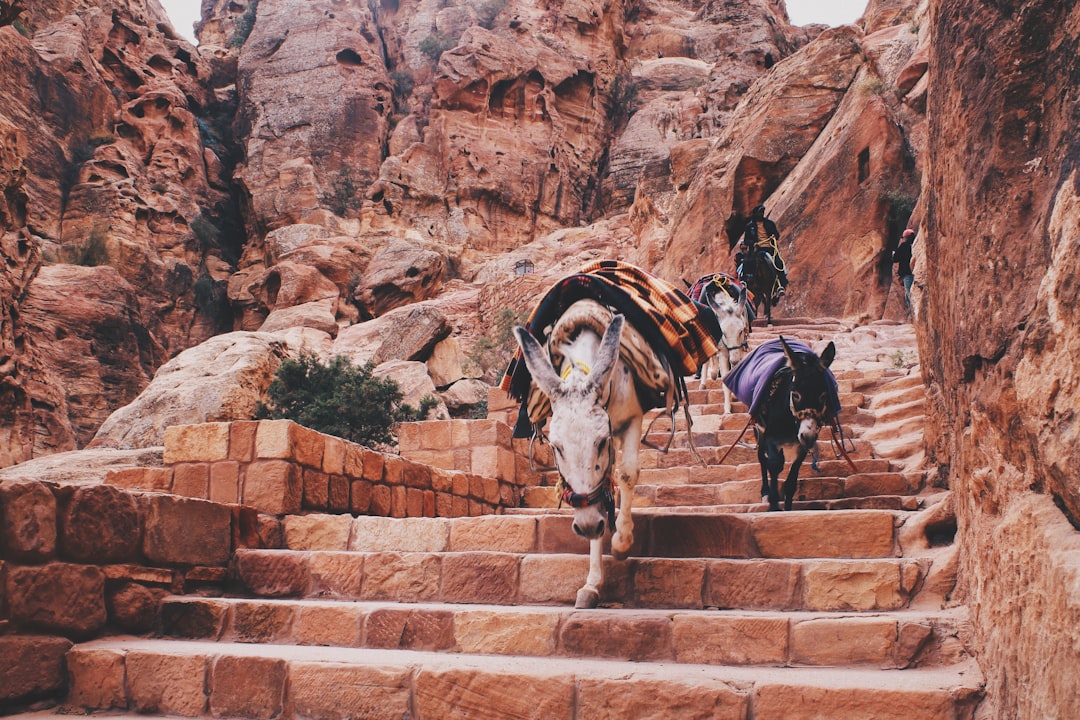
Winter meant I could walk the full loop out to the Monastery, roughly 800 rock-cut steps, without the heat that makes the climb miserable in July. It took me close to two hours up, past the Street of Facades and the Royal Tombs, with barely another visitor on the trail after 3pm. Entry to Petra runs about 50 dinars for a one-day pass for non-Jordan-residents, cheaper if bought as part of a multi-day pass, and it's worth checking Jordan's visa-on-arrival Jordan Pass, which folds the entry fee into your visa cost.
Wadi Rum: A Jeep Tour, a Zarb Feast, and a Sky With No City to Dim It
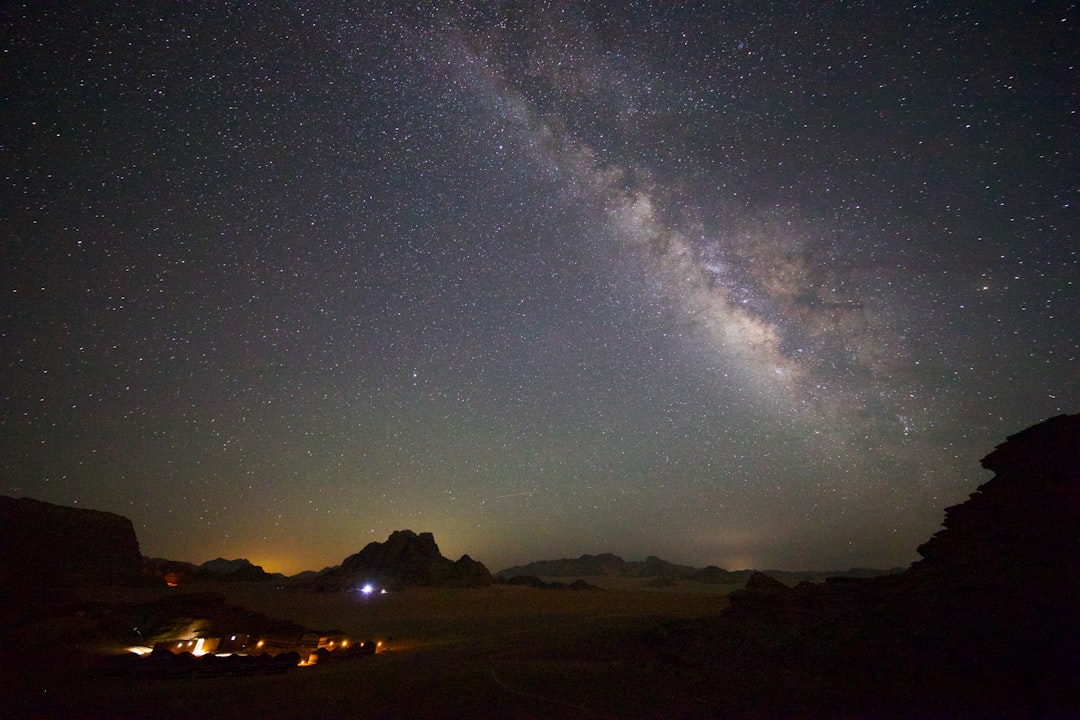
From Petra it's about an hour and a half south to Wadi Rum's visitor gate, where I switched to a battered 4x4 with a Bedouin guide named Attayack for a three-hour jeep circuit through Khazali Canyon and up onto the red dunes near Umm Fruth Bridge. Winter days in Wadi Rum hover around 15 to 18 degrees Celsius, comfortable enough to sit outside without a jacket by midday.
I stayed the night at Rahayeb Desert Camp, one of several Bedouin-run camps offering goat-hair tents and shared fires, at roughly 40 to 60 dinars per person with dinner and breakfast included. Dinner was zarb, meat and vegetables slow-cooked in a pit beneath the sand, and after the plates were cleared the guides put out the fire lanterns and let the desert go properly dark. Without any light pollution, the Milky Way was clearer than I'd seen it anywhere.
Muscat: A Two-Hour Flight East to Mutrah's Corniche and the Grand Mosque
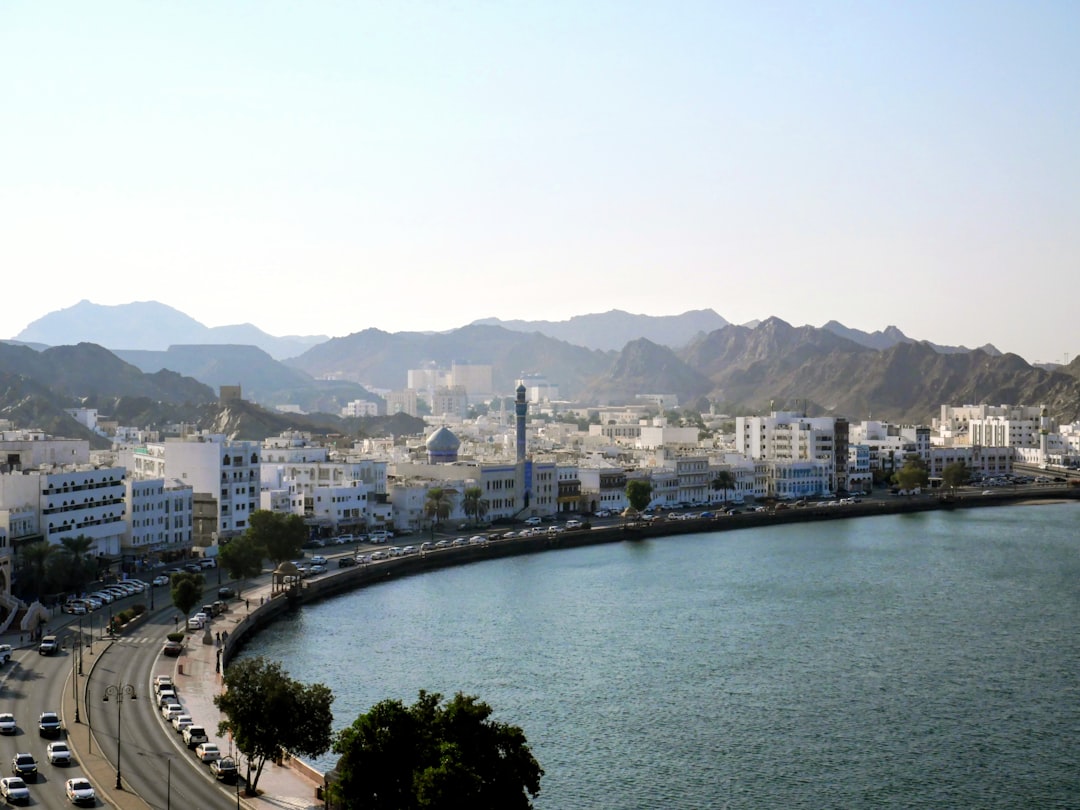
The flight from Amman to Muscat runs about two hours on Royal Jordanian or Oman Air, and I landed to a coastline utterly different from Jordan's red rock, a gray mountain wall dropping straight into the Sea of Oman. I spent the morning at Mutrah Souq, one of the older trading markets in the Gulf, threading past frankincense stalls and silver merchants along lanes barely wide enough for two people.
The Sultan Qaboos Grand Mosque, open to non-Muslim visitors most mornings from about 8am to 11am, required a headscarf I'd brought along and modest dress covering arms and legs. Its main prayer hall holds one of the world's largest hand-loomed carpets, and the marble courtyard outside was nearly empty in the soft winter light. I finished the day walking the Mutrah Corniche as the call to evening prayer echoed off the harbor, with dinner after at Kargeen Cafe, a garden restaurant serving Omani shuwa and grilled kingfish under strings of lanterns.
Nizwa and the Sharqiya Sands: Forts, a Goat Souq, and One Last Desert Night
The drive from Muscat to Nizwa took about an hour and a half, and I arrived just in time for the Friday goat souq, a loud, fast-moving trade in livestock that starts around 7am and winds down by mid-morning. Nizwa Fort, a 17th-century circular tower with a maze of defensive passages, costs about 1 rial (around USD 2.6) to enter and gives sweeping views over date palm groves.
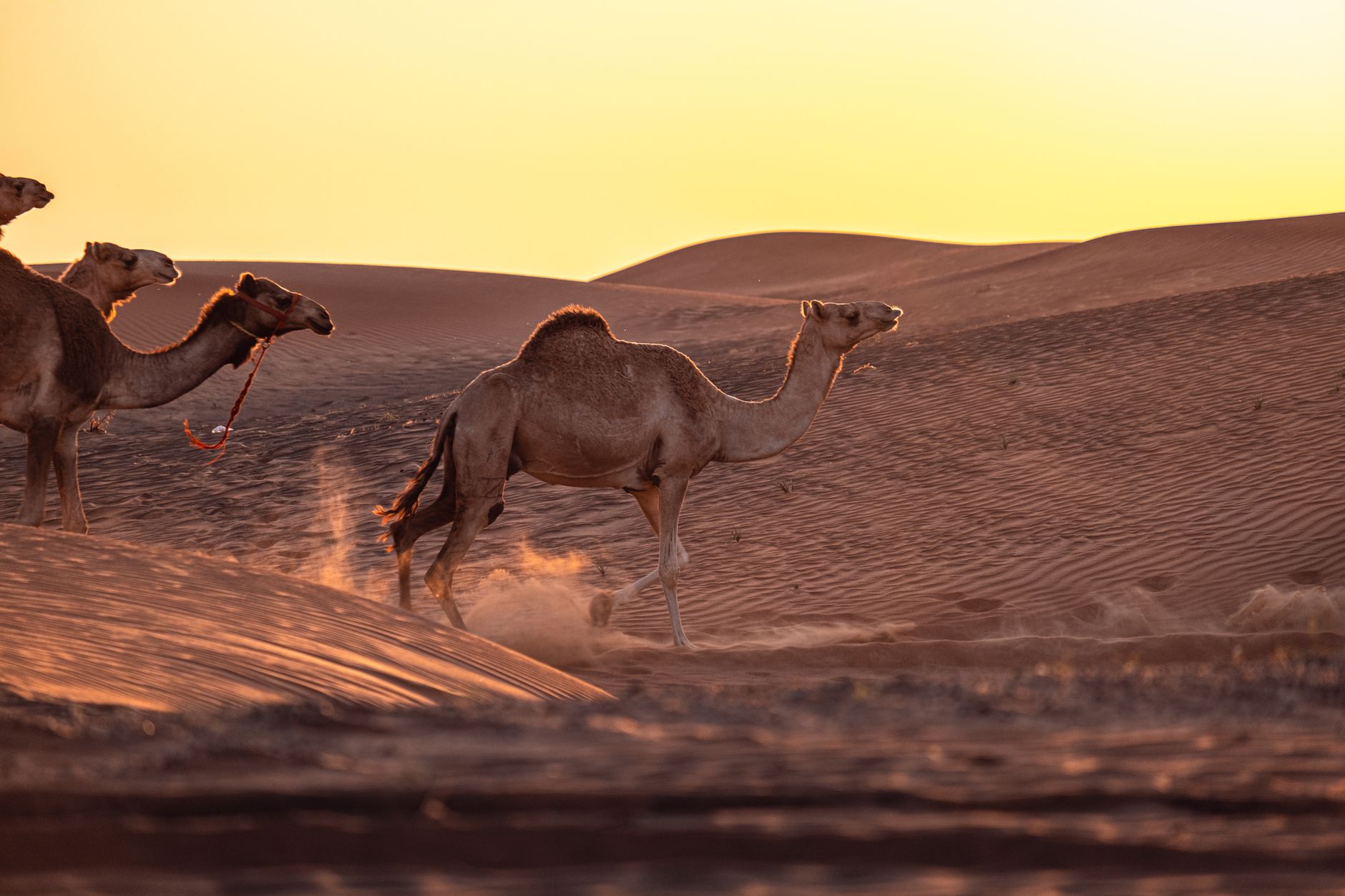
From Nizwa I drove roughly two hours further to the edge of the Sharqiya Sands, where a desert camp arranged through my guide put me on a camel for a slow hour at sunset, the dunes turning from gold to a deep rust-orange as the temperature dropped fast after dark, down into single digits Celsius by 9pm. It felt like the right bookend to a trip that started in Amman's winter chill and ended, five days and two countries later, on another cold desert floor.
Scenes From the Trip: Jordan's Red Rock to Oman's Sands
Discover Southeast Asia with Cordelie Travel
Handcrafted itineraries for Bali, Thailand, Vietnam, and beyond. Expert local guides, boutique hotels, and authentic experiences.
Plan Your TripBali Temple & Beach
10-day cultural immersion with private guide
From $2,499Vietnam North to South
14-day journey from Hanoi to Ho Chi Minh
From $3,199Thailand Islands
7-day island-hopping adventure
From $1,899What Stopped Me Mid-Sentence: Firelight in Wadi Rum and Lanterns Over Mutrah
The moment I keep coming back to happened around 6pm in Wadi Rum, when the last jeep tour groups had cleared out and the camp went quiet except for the fire. Attayack poured tea from a blackened kettle, three times into the same small glass, the way he explained is tradition among his family. There was no music, no phone signal, nothing but the sound of the fire and the occasional shift of sand. I'd traveled through plenty of deserts before, but I hadn't understood how much of the desert's character is silence until I sat inside it with nothing scheduled for two hours.
Muscat surprised me in a different register. I hadn't expected a Gulf capital to feel this unhurried, but Mutrah Corniche at dusk, with fishing boats bobbing against the harbor wall and families walking the promenade after evening prayer, had none of the glass-tower intensity I'd braced for from Dubai stories. The souq stays open past 9pm most nights, and wandering it without a plan, letting a spice seller talk me into a bag of frankincense resin I hadn't asked for, turned into one of the easiest, least touristy hours of the whole trip.
From Amman's Hummus Counters to Omani Shuwa Pulled From a Buried Pit
Food in Jordan runs cheap and direct. Hashem Restaurant in downtown Amman has been serving the same hummus, foul medames and falafel for decades, no menu needed, plates arriving for 3 to 5 dinars alongside pickled vegetables and flatbread. In Wadi Rum, the zarb dinner cooked underground in the sand, usually chicken or lamb with rice, potatoes and carrots, comes as part of most camp packages and is worth the wait while the guides dig it out around 7:30pm.
Oman's food leans sweeter and slower. Shuwa, marinated meat wrapped in banana or palm leaves and cooked in an underground pit for a full day or two, traditionally appears at Eid but Kargeen Cafe in Muscat serves a version most nights, alongside grilled kingfish and Omani halwa, a dense, rosewater-scented sweet best eaten warm with black coffee. In Mutrah Souq, dried limes and frankincense sit next to stalls selling dates by the kilo, and the karak tea, strong black tea with condensed milk and cardamom, became my fix most mornings for less than half a rial a glass.
The logistics that trip people up on this route aren't Petra or Wadi Rum, which any guide can arrange on the ground. It's the connection east to Oman: flight schedules between Amman and Muscat thin out in winter, often to one or two flights a day, and the good Wadi Rum camps with private tents fill up over the December and January weekends fast.
A Cordelie advisor can lock in the Amman-Muscat leg, match you to a Wadi Rum camp with the right level of comfort, and time your Petra entry for the quiet early-morning window before the day-trip buses arrive from Aqaba's cruise port. If you're weighing whether to add the Sharqiya Sands or swap it for a night in the Musandam fjords, that's exactly the kind of call worth a conversation before you book flights. Reach out at https://cordelie.com/contact.
Should You Do a Winter Middle East Trip Like This One?
Best for travelers who want desert landscapes without desert heat, and don't mind moving fast across two countries in under a week.
This route works because winter is genuinely the right season for it, not a compromise: daytime temperatures across Jordan and Oman's interior sit comfortably in the mid-teens to low twenties Celsius, and the punishing summer heat that keeps most travelers off the Petra trails and out of Wadi Rum's jeeps simply isn't a factor.
It suits independent-minded travelers who are happy with early starts, a couple of long drives, and one internal flight, more than anyone hoping for a single-base beach holiday. Budget for around USD 150 to 250 a night across hotels and desert camps if you're not backpacking it, plus Petra's roughly 50-dinar entry fee and Wadi Rum camp rates of 40 to 60 dinars a night with meals included. Five days is tight but workable; seven lets you add Aqaba's Red Sea coast or Oman's Musandam Peninsula without rushing.
Cordelie Travel Advisor Tip
Planning a trip like this? Our experienced travel advisors can help you design the perfect itinerary, find the best deals, and handle all the details.
Talk to a Travel AdvisorDiscover Southeast Asia with Cordelie Travel
Handcrafted itineraries for Bali, Thailand, Vietnam, and beyond. Expert local guides, boutique hotels, and authentic experiences.
Plan Your TripBali Temple & Beach
10-day cultural immersion with private guide
From $2,499Vietnam North to South
14-day journey from Hanoi to Ho Chi Minh
From $3,199Thailand Islands
7-day island-hopping adventure
From $1,899
Asia travel specialist with over a decade of experience exploring Southeast Asia, Japan, and the Indian subcontinent. Sarah brings deep cultural knowledge and insider tips to every piece.
Related Articles
 best of list
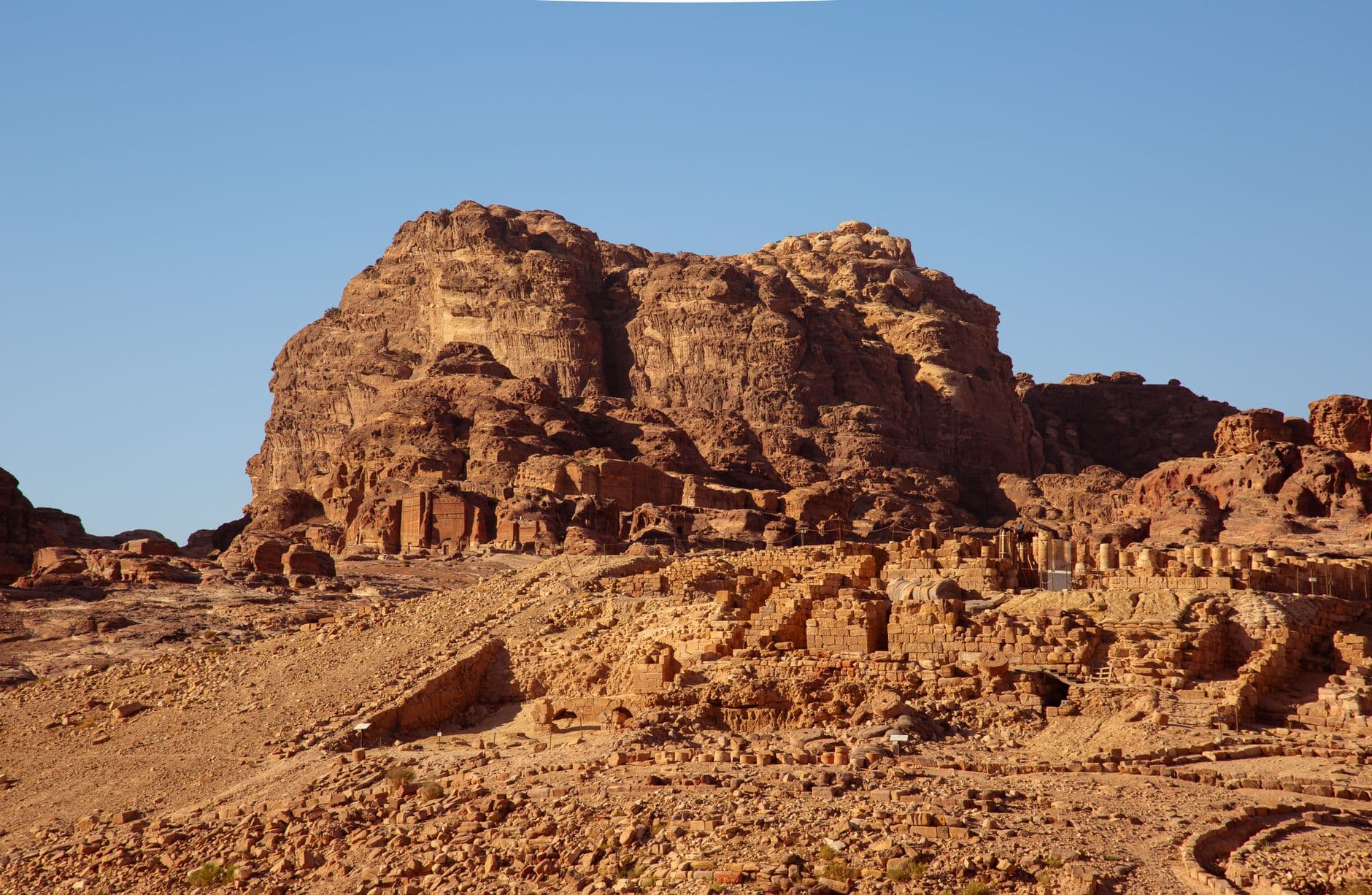
The Best Things to Do in Middle East
Winter turns the Middle East's harshest deserts pleasant. Here's how Petra, Wadi Rum, Dubai, Jerusalem's Old City, Muscat, AlUla and the Dead Sea stack up this season.
 quick guide
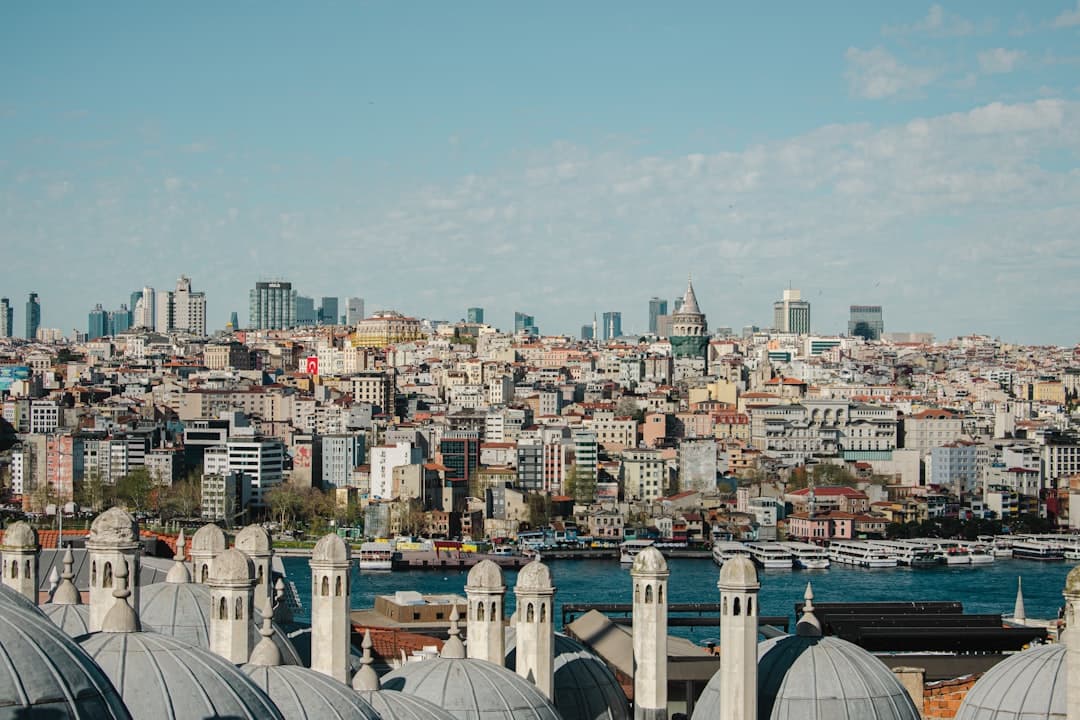
Istanbul Quick Guide: Markets, Mosques & Mezze
Discover Istanbul's enchanting blend of ancient mosques, vibrant bazaars, and incredible cuisine. Your essential guide to markets, mezze, and must-see monuments.