Key Facts
Singapore: Where Precision Meets Sensory Richness
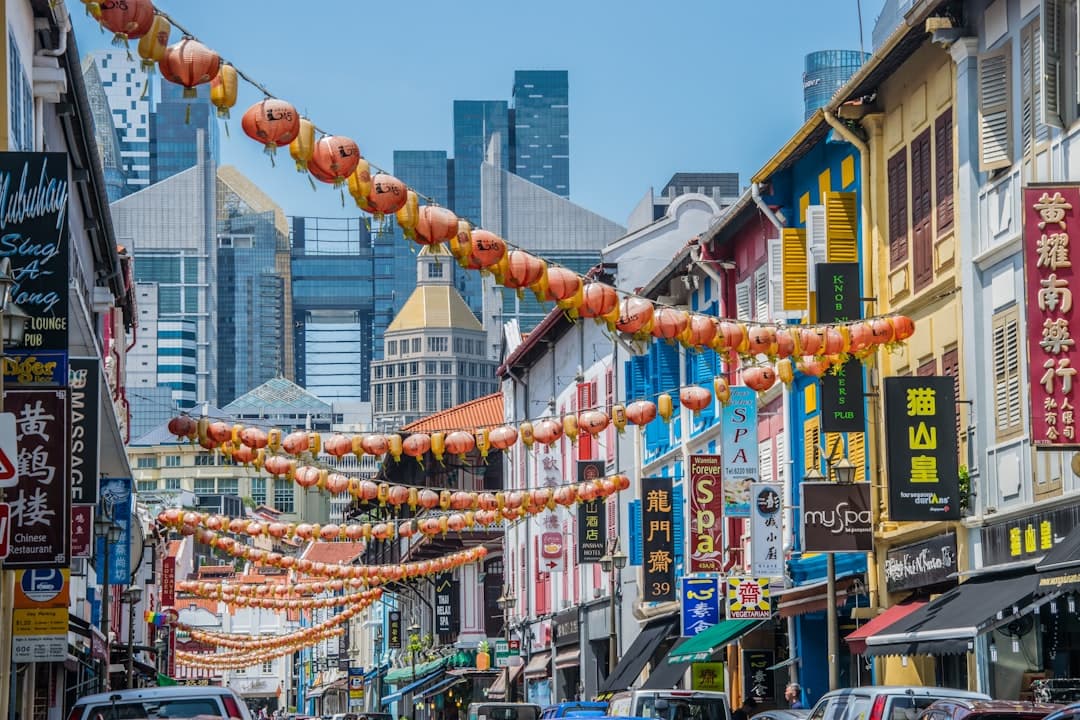
Singapore rewards travelers who slow down. The city-state's reputation for efficiency—gleaming towers, spotless streets, synchronized traffic lights—can make it seem like a place to sprint through. But that reputation obscures something more interesting: a layered, sensory destination where five distinct neighborhoods reveal completely different versions of the island, and where you can eat your way through a week without repeating a cuisine. Winter is the season to visit, when the heat softens and the city's festivals peak. Three to four days allows you to sit in a hawker center for breakfast and actually taste the char in the kaya toast, walk through Chinatown's lantern-lit streets without rushing, and experience the island as something more than a transit hub.
Four Distinct Singapores Demand More Than a Day
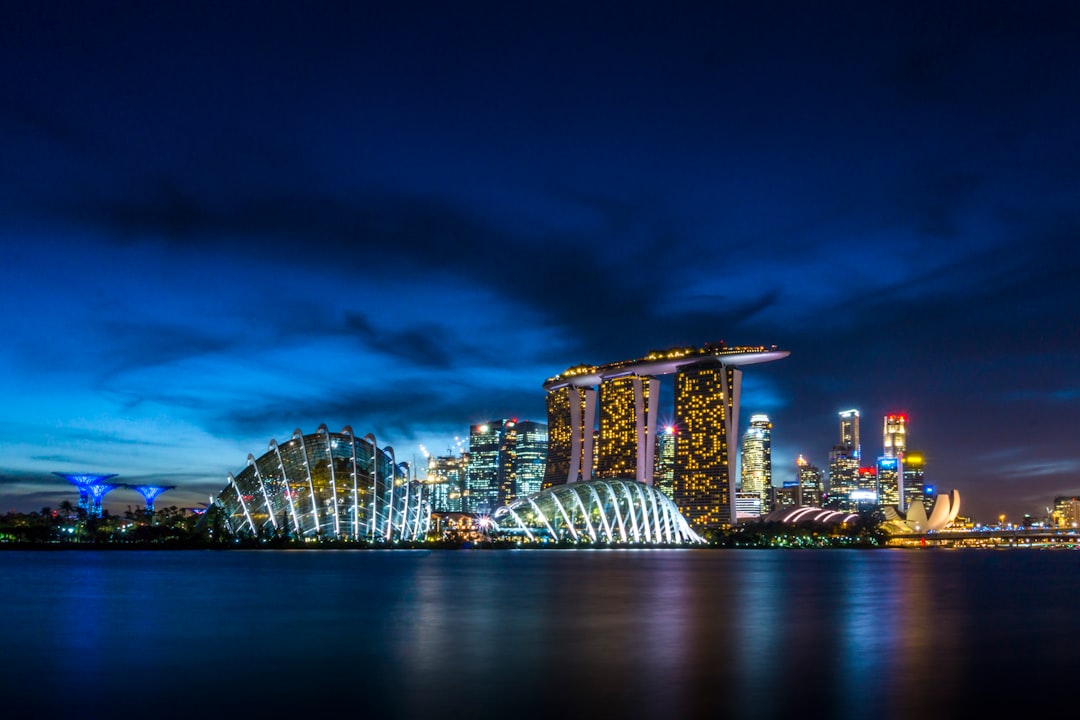
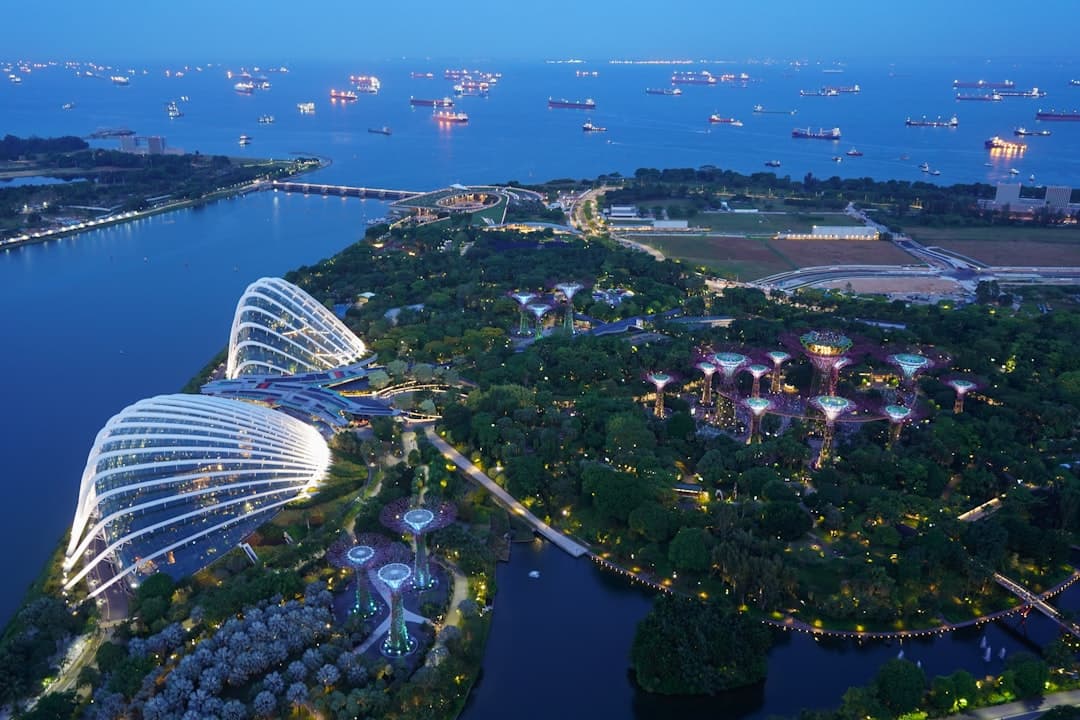
Singapore is not one place. Chinatown smells of incense and soy sauce; lanterns hang above narrow shop-houses that have stood for over a century. Clarke Quay, a few minutes' walk away, thrums with converted warehouse bars and riverside dining. Kampong Glam, the Arab Quarter, centers on the turquoise-domed Sultan Mosque and radiates outward in a grid of textile shops, spice merchants, and family-run restaurants where you taste Malay and Arab influences in every dish. Then there is the east coast—Gardens by the Bay with its futuristic Supertree structures, the Singapore Flyer (the 165-meter observation wheel), and the Marina Bay Sands hotel whose rooftop infinity pool is accessible to guests and day-pass holders. Each neighborhood operates on its own rhythm and deserves at least a few hours of attention. Trying to see them all in a single rushed day flattens what makes each distinct.
Getting between neighborhoods is straightforward. The MRT (Mass Rapid Transit) system is clean, frequent, and cheap—a single journey costs roughly 1.40–3.00 SGD depending on distance. The North-South, East-West, and Circle lines connect the main areas, and trains run every 3–5 minutes during the day. Walking between adjacent neighborhoods is also feasible; Chinatown to Clarke Quay is a 15-minute walk. This accessibility means you can spend a morning lingering over a meal, an afternoon exploring a specific area, and still cover genuine ground without feeling scattered.
Singapore's hawker centers are UNESCO-recognized, and for good reason. These open-air food courts serve as the island's true cultural crossroads. A single center might have 50–100 individual stalls, each specializing in a specific dish: laksa from one, chicken rice from another, char kway teow from a third. Breakfast at a hawker center costs around 3.50–5.50 SGD per dish. The format forces proximity and conversation. You sit at a communal table, eat beside locals and tourists alike, and experience Singapore's multicultural reality not as an abstraction but as a fact of daily life.
Winter Weather, Chinese New Year, and When to Book
December through February is Singapore's relatively cool season, with daytime temperatures around 31–32°C (88–90°F) and evening temperatures dropping to 24–25°C (75–77°F). Humidity remains high year-round, but the afternoon heat is less oppressive than other months. Rainfall is lighter than during the monsoon seasons, though brief showers remain common. Pack breathable clothing, sunscreen, and a light rain jacket. Humidity means that what feels cool on arrival can feel heavy after an hour of walking; locals embrace air-conditioning liberally, so moving between extreme cold interiors and warm streets becomes its own rhythm.
Chinese New Year typically falls in late January or early February and transforms Chinatown into a festival ground. Street stalls sell traditional goods, families gather for reunion dinners, and the neighborhood fills with red lanterns and crowds. If you travel during Chinese New Year week, book accommodation and popular restaurants well in advance—prices rise and availability shrinks. If you prefer a quieter visit, travel before mid-January or after the festival ends.
Peak winter season means hotel rates run higher than other months. Mid-range hotels in Chinatown or Marina Bay area range from about 150–250 SGD per night. Budget options in nearby areas like Bugis or Lavender cost roughly 80–130 SGD. Luxury properties, like the Marina Bay Sands or Raffles, start around 500 SGD and rise steeply. Booking 4–6 weeks in advance secures better availability and sometimes lower rates.
When you order at a hawker stall, you don't pay immediately. Grab a table (they're communal and shared freely), eat, and then settle the bill with the vendor. If you're unsure of the price, ask before ordering. Tipping is not expected and rarely accepted. This system works because locals and visitors alike treat it as normal; knowing the rhythm—order, sit, eat, pay—lets you fit into the rhythm rather than standing out as an uncertain tourist.
Three Days: A Sustainable Pace for Real Depth
A three-day visit allows you to inhabit neighborhoods rather than tick off attractions. Day one: Chinatown and Clarke Quay. Arrive early, have breakfast at a hawker center—Maxwell Food Centre or Chinatown Complex are reliable—and spend the morning wandering Eu Tong Sen Street and Ann Siang Hill. The Chinese New Year decoration shops, if open, are worth a lingering look even outside the festival. Lunch at a sit-down restaurant like Hong Kong Soya Sauce Chicken Rice & Noodle (multiple locations, 4–7 SGD per bowl) or a bowl of laksa at a stall. Afternoon: walk toward Clarke Quay along the Singapore River, noting how the shophouses transition to warehouses. Clarke Quay itself is polished and tourist-facing, but the riverside walk is genuinely pleasant. Dinner at one of the riverside restaurants or back in Chinatown at a more local spot—prices in Clarke Quay run higher (mains around 15–25 SGD) than in Chinatown (8–15 SGD).
Day two: Kampong Glam and the city's cultural core. Start at the Sultan Mosque, which is open to visitors outside of prayer times (roughly 10:00–12:00, 13:30–15:30, 16:30–17:30). The interior's light and proportions reward a quiet 20 minutes. Wander the adjacent streets: Bussorah Street for street food, Arab Street for textiles. Lunch at a small family restaurant—try Zam Zam for roti prata and biryani (dishes cost 4–8 SGD). Afternoon: head to Kampong Glam's quieter edges, toward the former sultan's palace (Istana Kampong Glam, now a museum and cultural venue) or simply sit in one of the small cafes and watch the street. A second-day pace that includes meals, walking, and stopping to sit distinguishes a real visit from tourism.
Day three: Gardens by the Bay and Marina Bay. The Supertrees are free to walk among at ground level; the canopy walk between them costs roughly 14–18 SGD. Gardens by the Bay's main conservatories (the Flower Dome and Cloud Forest) cost around 28–32 SGD each or roughly 42–48 SGD for both. The Singapore Flyer observation wheel runs about 33–39 SGD for a standard ticket. These are not cheap, but they are real enough—the Supertrees genuinely glow at night, the Flower Dome's scale is overwhelming, the views from the Flyer justify the price. Eat lunch somewhere simple, spend the afternoon moving between attractions without rushing, and take the evening to sit on the waterfront and watch the city shift into night mode. The East Coast Park walk offers a less touristy view of the water if you prefer.
Four days lets you add a neighborhood like Tiong Bahru (a quieter, bohemian enclave with vintage shops and cafes) or venture to Sentosa Island (connected by a free bridgewalk or short cable car, around 15 SGD return) for beaches and nature reserves. But three days—structured around neighborhoods, meals, and lingering—captures what Singapore offers without requiring constant movement.
Practical Anchors for Your Stay
A Visitor Pass for the MRT costs roughly 10 SGD and gives unlimited travel for a day. If you're staying longer, a daily pass-style option costs around 18 SGD for a 7-day flexible pass that you load and use across multiple days. Taxis and ride-shares (Grab is the local app) are reliable and affordable. A typical taxi ride across the island costs 8–15 SGD; a Grab ride of similar distance runs 6–12 SGD. Both are easy to use and significantly cheaper than taxis in Western cities.
Restaurants divide into tiers. Hawker centers and food courts offer meals for 3–8 SGD. Casual sit-down restaurants in neighborhoods run 8–15 SGD per main. Mid-range restaurants with wait staff and slightly more polish cost 18–35 SGD per person before drinks. Fine dining starts around 80–150 SGD per person. Alcohol is taxed heavily in Singapore; a beer in a bar runs 10–16 SGD, wine significantly more. A bottle of water from a convenience store costs 1–2 SGD; tap water is safe.
Most neighborhoods have 7-Eleven or similar convenience stores where you can buy water, snacks, and SIM cards. A local SIM card with data costs roughly 10–20 SGD for several days of moderate use. Free WiFi is widespread in shopping malls, hotels, and many cafes, so a SIM is optional if you travel light.
Singapore's neighborhoods and food culture reward a traveler who moves slowly, but arranging a visit that balances the city's must-see attractions with genuinely local experiences requires someone who knows which meals and moments justify lingering. A Cordelie advisor can craft a trip that steers you past the obvious and into the neighborhoods where you'll sit at a hawker center table and feel like something other than a tourist. That level of planning—knowing which stalls are worth the line, which quiet cafes reveal the actual rhythm of a place, where to stay to be central without being in the tourist crush—is where a travel advisor earns their place.
Go with someone who knows
The right suite, the right season, the reservations that never appear online — your Cordelie advisor knows them, and holds them for you.
Plan with a Cordelie advisor
Alex Moreau writes about going slowly. Nine years of reporting from trains, river boats and towns nobody has a hashtag for, mostly across Europe and North Africa. They live in Lisbon, keep a running list of the continent's best two-hour lunches, and believe most itineraries would improve if you deleted a city.
Related Articles
 best of list
The Best Things to Do in Singapore
A ranked, unhurried guide to Singapore's best experiences — from the Cloud Forest at Gardens by the Bay to a 5am hawker breakfast in Tiong Bahru — built for winter travel and real timetables.