Key Facts
Winter is Peak Season in Southeast Asia—Here's What You Need to Know
December through February transforms Southeast Asia into something almost too perfect: cool enough to trek without drowning in sweat, dry enough that afternoon storms don't cancel boat trips, and populated by travelers from every continent who've made the same calculation. In Bangkok, the mercury hovers around 25–30°C. In Hanoi, it dips to 15–20°C. The humidity that makes summer feel like breathing underwater retreats. But this is also when prices climb, temples draw crowds, and booking accommodation without advance notice becomes a high-stakes gamble. Winter in the region means opportunity—and the need for strategy.
Why Winter Changes Everything in This Region
The rest of the year, Southeast Asia trades comfort for authenticity. Summer and early autumn see monsoon rains, 35°C heat, and roads that turn into rivers overnight. Solo travelers relying on navigation apps find themselves stranded in rural neighborhoods where 4G evaporates after dark. Temples flood. Treks wash out. Ferry schedules collapse. But winter strips those excuses away.
This shift affects everything. In northern Thailand, trekking around Chiang Mai becomes manageable—you can walk into hill-tribe villages without feeling like you're on life support. In Cambodia, boat tours through the Tonlé Sap Lake don't require choosing between wet-season crocodile stories and dry-season mud flats. In Vietnam, coastal routes from Hanoi south along Highway 1 don't turn into saunas. The window is short, though. By mid-March, the heat begins its climb again.
A midrange hotel room in Bangkok runs 50–100 USD in January, compared to 35–60 USD in June. Guesthouses in Siem Reap charge 25–50 USD per night during winter versus 15–30 USD in shoulder months. Tours, restaurants, and activities follow the same trajectory. Book transport and accommodation 2–4 weeks ahead to secure rates and avoid full cancellations.
Getting Around: Buses, Trains, and Water Routes
Southeast Asia's transportation network runs on volume and flexibility rather than precision. Bus networks connect every major city and most towns. The overnight Bangkok-to-Chiang Mai route takes approximately 9–11 hours and costs 10–20 USD depending on the operator and comfort level. Vietnam's trains are slower but more comfortable than they sound: a berth on the Hanoi-to-Ho Chi Minh City overnight express runs approximately 40–80 USD depending on class (as of 2024) and takes roughly 30 hours. Buses are cheaper (15–30 USD) but longer.
Domestic flights cut travel time but not always cost. A Bangkok-to-Phuket flight costs 35–60 USD booked two weeks ahead and takes two hours; the bus takes 12 hours and costs 15–25 USD. In winter, booking any transport three to five days ahead prevents scrambles. Budget airlines operate from Bangkok (Suvarnabhumi and Don Mueang), Hanoi (Noi Bai), Ho Chi Minh City (Tan Son Nhat), and Kuala Lumpur (KLIA).
Water routes matter in specific places. From December onward, boats run reliably on the Mekong between Phnom Penh and Siem Reap (about 5–6 hours, 20–35 USD), and slow ferries connect Thai islands. In Laos, the Mekong is navigable south of Luang Prabang in winter but impassable during dry months.
Money, Visas, and SIM Cards: The Boring Logistics That Matter
Carry a mix of cash and cards. ATMs exist in every city and most towns, but rural areas and smaller islands may have none. Withdrawal fees range from 3–5 USD per transaction. Credit cards work in hotels and upscale restaurants but not street food stalls, night markets, or small guesthouses. Exchange rates are better at ATMs than at airport counters.
Most Western passport holders receive 30 days visa-free in Thailand and Vietnam. Cambodia grants 30 days on arrival (approximately 25–35 USD). Laos offers the same (approximately 40 USD, though the cost varies by entry point). Check your specific passport's requirements before departure; processing times and costs shift. If you plan to stay longer or border-hop, consider applying for visas before travel.
SIM cards from local providers—AIS or True Move in Thailand, Viettel or MobiPhone in Vietnam, Smart in Cambodia—cost approximately 5–15 USD with 4–8 GB of data (prices as of late 2024). Buy them at the airport or any convenience store. Activation is immediate. This is far cheaper than international roaming and gives you a local number for contacting guides, hotels, and restaurants.
Where Winter Trekking and Diving Are Actually Possible
Winter activates outdoor pursuits that summer washes out. In northern Thailand, the Doi Inthanon circuit around Chiang Mai draws trekkers to 2,000-meter ridgelines where the air cools to 10–15°C. Guides charge approximately 45–70 USD per day (as of 2024) and arrange permits with hill-tribe villages. These treks don't require technical climbing, but they do demand fitness and start before dawn.
In Vietnam, the Sa Pa region near the Chinese border opens fully only in winter. The high-altitude trekking around Cat Cat and Tavan villages becomes accessible without the monsoon mud that makes summer hikes treacherous. Tours run 35–55 USD per day including accommodation in traditional homestays.
Diving requires different math. The Andaman Sea in Thailand and Myanmar stays warm and relatively calm year-round, but visibility peaks from November to April. The Similan Islands and Richelieu Rock liveaboards cost 200–400 USD per day (rough range as of 2024) but deliver reliably. The Gulf of Thailand (Koh Tao, Koh Samui) offers calmer, cheaper dives (60–90 USD per two-tank dive) for certification work. If you're planning technical or remote diving, book through operators in Bangkok or Phuket with verifiable safety records—this is not a place to wing it based on a hostel recommendation.
Diving requires certification. PADI Open Water takes three days and costs approximately 300–450 USD in Southeast Asia (as of late 2024). Advanced certification adds another day and another 150–250 USD. Budget this before arrival if you plan to dive.
Food, Night Markets, and Finding Meals That Won't Destroy Your Stomach
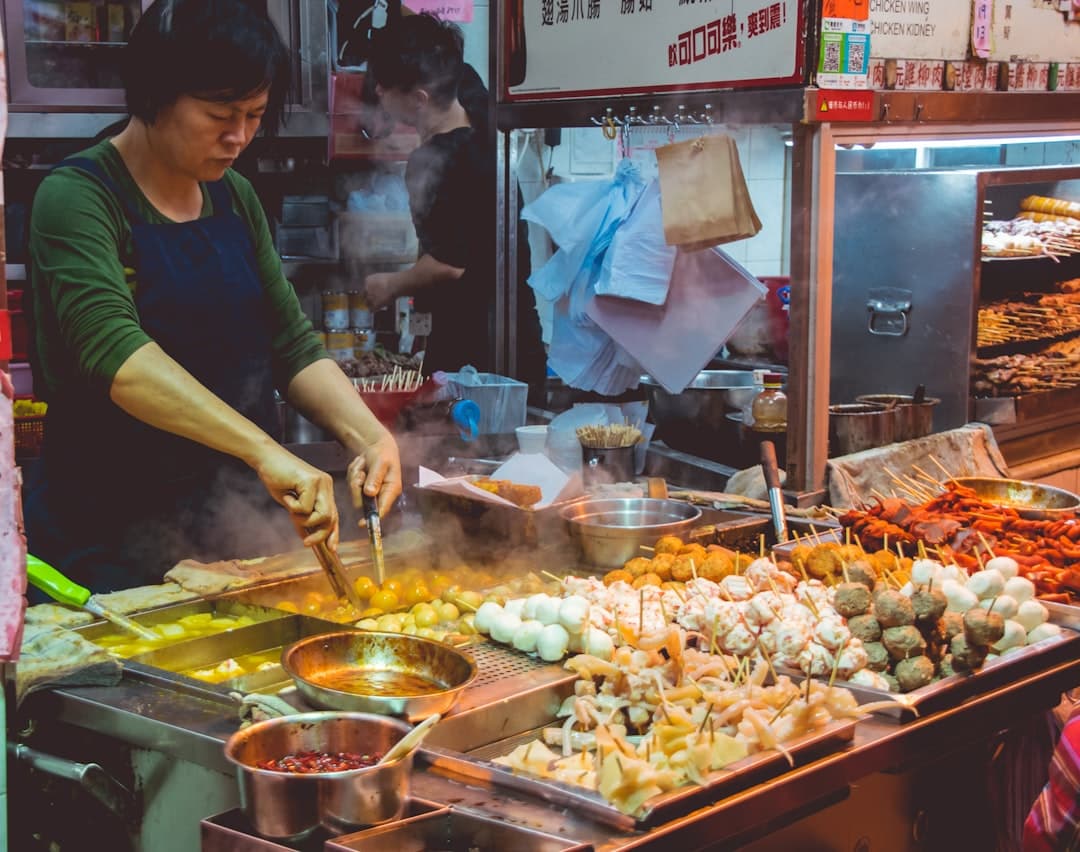
Street food is the region's backbone, and winter's cool air means extended hours. Pad thai from a cart costs 2–4 USD. Pho in Hanoi or Ho Chi Minh City runs 2–5 USD for a large bowl. Sticky rice and grilled chicken (sai oua) in Luang Prabang costs approximately 1–2 USD. These are not approximations—they are what you pay, repeatable and stable.
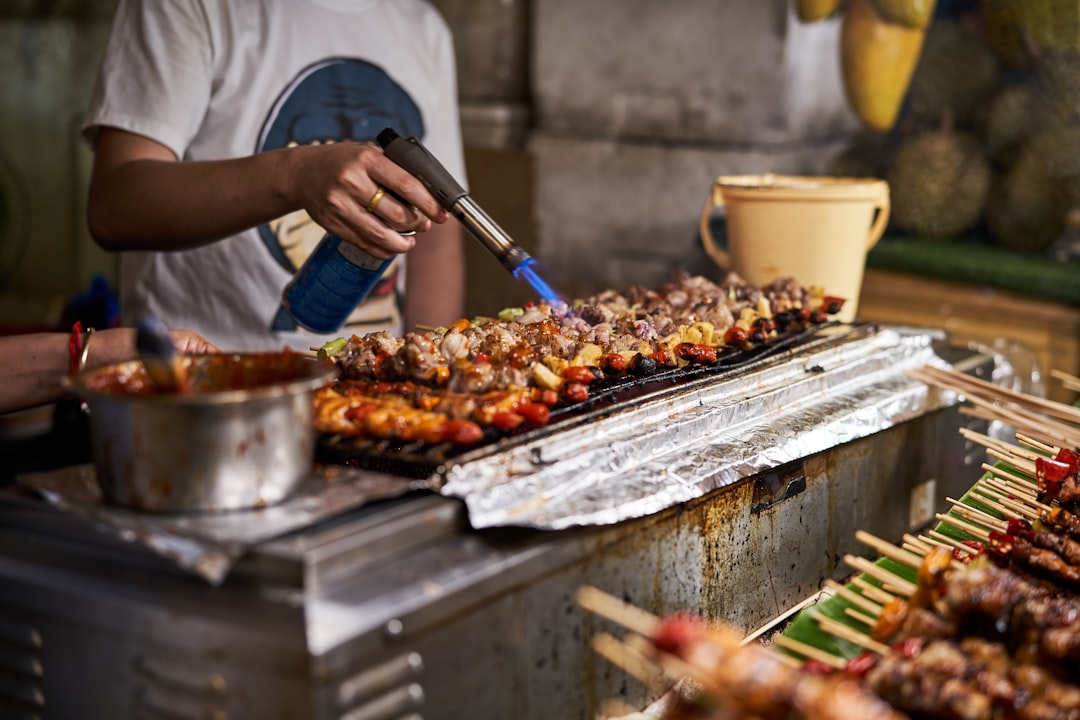
Night markets in Bangkok, Chiang Mai, Hanoi, and Penang operate most evenings year-round, but winter crowds mean arriving before 19:00 to avoid lines. Stalls repeat predictably: grilled meats, noodles, fresh-pressed sugarcane juice, mango sticky rice. Hygiene varies. The busiest stalls—the ones with lines—are generally the safest bet. Your stomach will adapt within days, but carry loperamide (Imodium) anyway.
Restaurants with English menus exist in every tourism hub. Midrange meals (curry, noodles, rice dishes) cost 5–12 USD. Upscale restaurants in Bangkok, Hanoi, or Kuala Lumpur charge 25–60 USD per person. Avoid ice in tap water, choose fruit you peel yourself, and trust your instincts about cleanliness.
Specific Winter Destinations and What to Expect
Thailand draws the largest winter crowds. Bangkok's temples—Wat Phra Kaew, Wat Po—operate year-round but feel suffocating by mid-January. Chiang Mai (about 1.5 hours by flight or 9–11 hours by bus north of Bangkok) feels more manageable: the old city's night bazaar, trekking to hill-tribe villages, and the Sunday Walking Street market all hit their stride in winter. Phuket and the southern islands (Phuket, Krabi, Koh Samui) see reliable weather but crowds proportional to their tourism infrastructure.
Vietnam offers the full geography span. Hanoi in the north sees cooler temperatures and clearer skies in January—the perfect window for exploring the Old Quarter, cycling through rural villages in the Red River Delta, and taking day trips to Halong Bay by overnight junk (overnight tours run 60–150 USD including meals, as of 2024, depending on boat quality). Ho Chi Minh City in the south stays warm but remains comfortable. The central coast (Hoi An, Da Nang) combines trekking access to the Marble Mountains and beach walks with colonial architecture—and fewer tourists than the north. Slow travel here works: base yourself in one place for 3–5 days, hire a local guide for 20–35 USD per day, and let the pace settle.
Cambodia's dry season (November to April) means reliable access to Siem Reap and the Angkor Archaeological Park. Temples at sunrise mean arriving before 05:30—guides charge 20–40 USD per day (as of 2024) and arrange entrance (37 USD per day, approximately 2024 prices). Phnom Penh, the capital, matters less to most travelers but contains important history: the Royal Palace, Silver Pagoda, and Killing Fields memorials demand respect and a full day minimum.
Laos moves slower. Luang Prabang in the north feels like stepping back decades: monks collect alms at dawn, night markets sprawl along the Mekong, and guesthouses charge 15–30 USD for a clean room. Vang Vieng (2.5 hours south of Luang Prabang by bus, approximately 10–15 USD) attracts younger travelers for rock climbing, kayaking, and cave exploration. Vientiane, the capital, is often skipped by short-term visitors—understandably, as there's less to do than Luang Prabang—but the Mekong riverside atmosphere rewards a night or two.
Winter Travel Logistics: Booking, Packing, and Staying Healthy
Book flights and accommodation 3–6 weeks ahead for January and February. Last-minute deals exist but require flexibility on dates and cities. Hotels fill entirely in popular weeks around Christmas and New Year.
Pack layers. Winter temps in Chiang Mai and Hanoi drop to 15°C at night and in early morning. Bangkok stays around 25–28°C. Lightweight long sleeves protect against mosquitoes in the evenings; the region's dengue and malaria transmission is year-round in some areas. Malaria prophylaxis is recommended for jungle treks in Cambodia and Laos but not for urban areas. Consult your doctor at least four weeks before departure.
Travel insurance costs 1–3 USD per day (as of late 2024) and is essential. Medical costs in private clinics run high—dental work, minor surgery, or evacuation can easily exceed 1,000 USD. Public hospitals are cheaper but slower. Insurance covers both and gives you options.
Sunscreen and insect repellent are cheaper at home than in Southeast Asia. Bring both. Dehydration is real even in cool weather. Drink water constantly, particularly during physical activity or trekking. Tap water is unsafe in most areas; buy bottled or refill from reliable vendors.
The absolute peak runs December 20 through January 10. If you can travel January 15 through February 15, you'll have better availability and lower prices while keeping excellent weather. Book domestic transport and all tours at least five to seven days ahead during winter. Last-minute changes become expensive or impossible.
When to Call a Travel Advisor
Southeast Asia feels free and easy—and it is, until you need to arrange something complicated. Border crossings between countries require specific timing and paperwork. Multi-country visas, trekking permits, and remote lodge bookings benefit from advance coordination. Booking a private guide for cultural immersion takes research. Securing a spot on a specialized dive trip weeks before arrival requires certainty about dates.
First-time travelers sometimes underestimate how quickly a flexible itinerary can deteriorate: buses fill, guesthouses run full, and the exact experience you wanted becomes unavailable. Having someone coordinate in advance—someone who knows when specific communities welcome visitors, which guides are trustworthy, which trekking permits actually require advance arrangements—turns that from a frustration into a non-issue.
Winter in Southeast Asia demands logistics that don't forgive improvisation: trekking permits, boat schedules, diving certifications, and cultural visits all require lead time. A Cordelie travel advisor can arrange these weeks ahead, handle payment in stable currency, and provide backup support if a guide cancels or weather changes plans. For first-time visitors or those combining multiple countries, this is where a human makes the difference between a good trip and a great one.
Cordelie Travel Advisor Tip
Planning a trip like this? Our experienced travel advisors can help you design the perfect itinerary, find the best deals, and handle all the details.
Talk to a Travel AdvisorDiscover Southeast Asia with Cordelie Travel
Handcrafted itineraries for Bali, Thailand, Vietnam, and beyond. Expert local guides, boutique hotels, and authentic experiences.
Plan Your TripBali Temple & Beach
10-day cultural immersion with private guide
From $2,499Vietnam North to South
14-day journey from Hanoi to Ho Chi Minh
From $3,199Thailand Islands
7-day island-hopping adventure
From $1,899
Asia travel specialist with over a decade of experience exploring Southeast Asia, Japan, and the Indian subcontinent. Sarah brings deep cultural knowledge and insider tips to every piece.
Related Articles
 seasonal inspiration
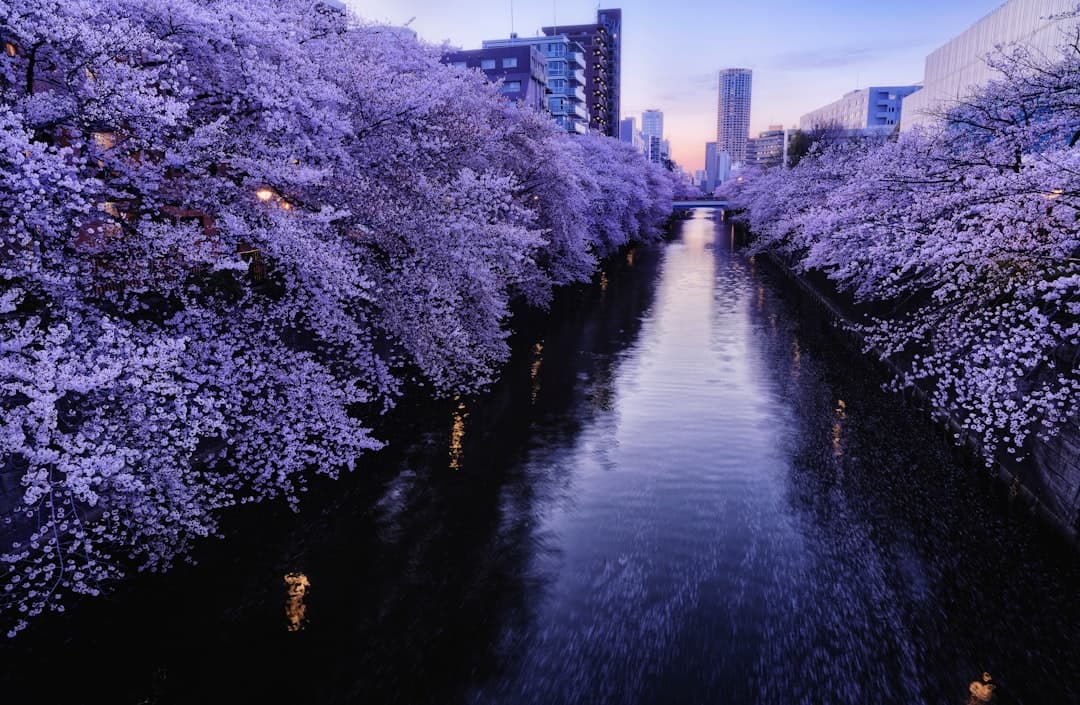
Why Spring in Japan Is the Trip of a Lifetime
Experience Tokyo's magical cherry blossom season with insider access to the best hanami spots, seasonal dining, and exclusive spring experiences in Japan's captivating capital.
 travel tips
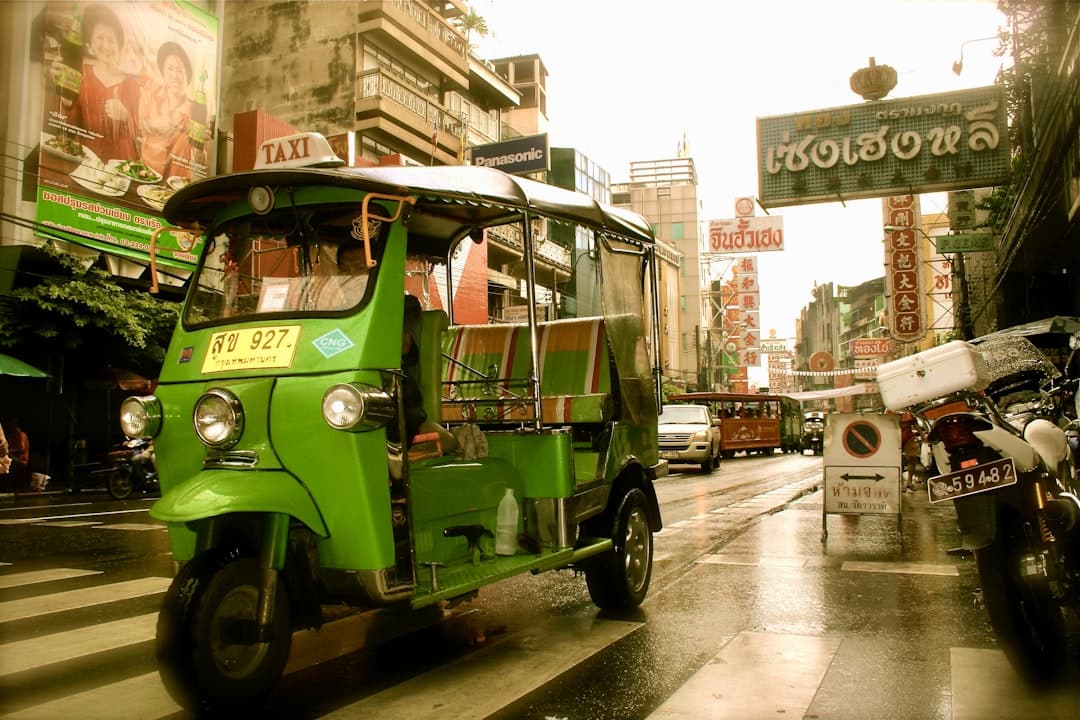
15 Essential Packing Tips for Southeast Asia
Master Bangkok's unique packing challenges with 15 essential tips that cover tropical weather, temple dress codes, and urban exploration needs.
 breaking news
Bali Implements New Tourist Tax Starting April 2026
Bali introduces $10 tourist tax starting April 2026 for all international visitors. New fee funds sustainability and infrastructure improvements.