The Best Things to Do in Hoi An This Winter, Ranked
Hoi An rewards travelers who slow down, and December through February is the easiest window to do it in. The Central Coast's punishing summer humidity has broken by then, days sit in the comfortable high teens to mid-20s Celsius, and the worst of the autumn flood risk along the Thu Bon River has usually passed. What follows is a working list, not a checklist: eight things that justify the trip, ranked by how much they'd cost you to miss, plus a handful of honorable mentions if you have an extra day or two.
This isn't a survey of everything Hoi An offers. It's an opinionated ranking built around one question: what would a returning visitor tell a friend not to skip? We weighted things by how distinctly Hoi An they are, how workable they are on a short trip with variable weather, and whether they hold up for a couple, a family with a stroller, or a solo traveler moving at their own pace.
Every entry had to answer three questions: is it distinctly Hoi An rather than generic Vietnam, is it manageable in winter's shorter daylight and occasional rain, and does it reward a first-time visitor without requiring a full extra day of travel? Anything more than an hour from the Ancient Town's central ticket office got weighed against that time cost.
We also favored things bookable or plannable in advance over anything that depends on getting lucky with weather or crowds, because a trip built around 'we'll see when we get there' is a hard trip to hand to a family or a group.
Walk the Ancient Town After Dark
The single experience that makes Hoi An Hoi An
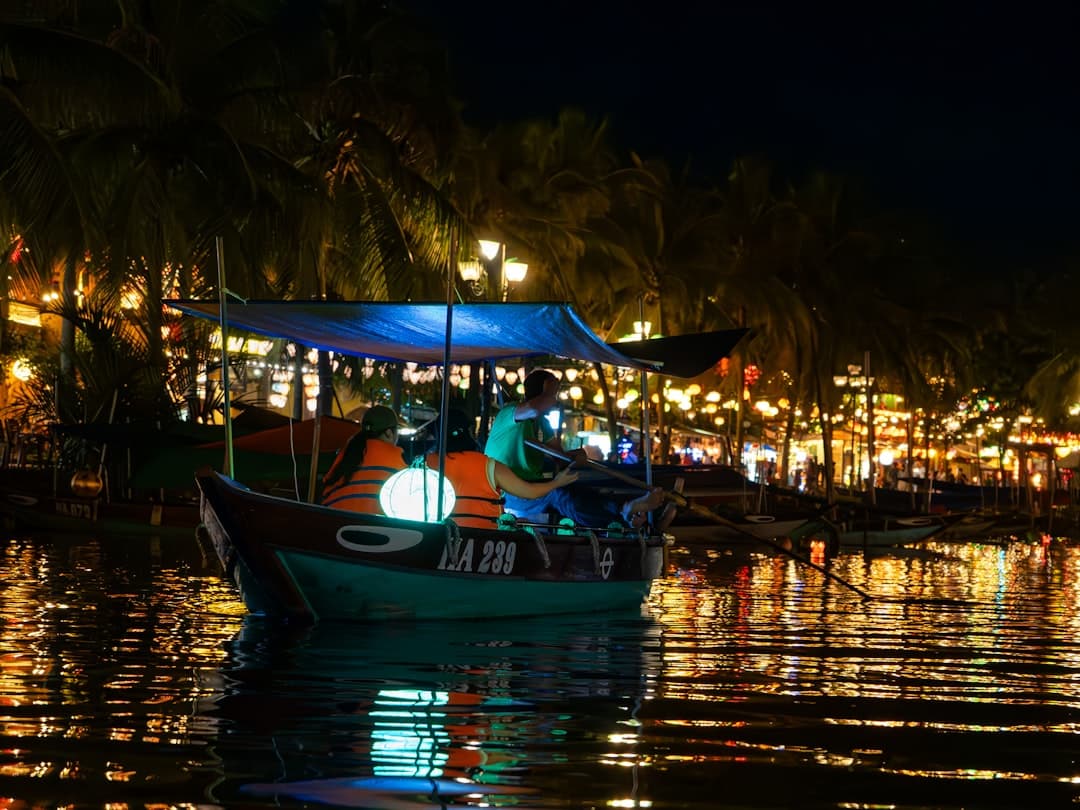
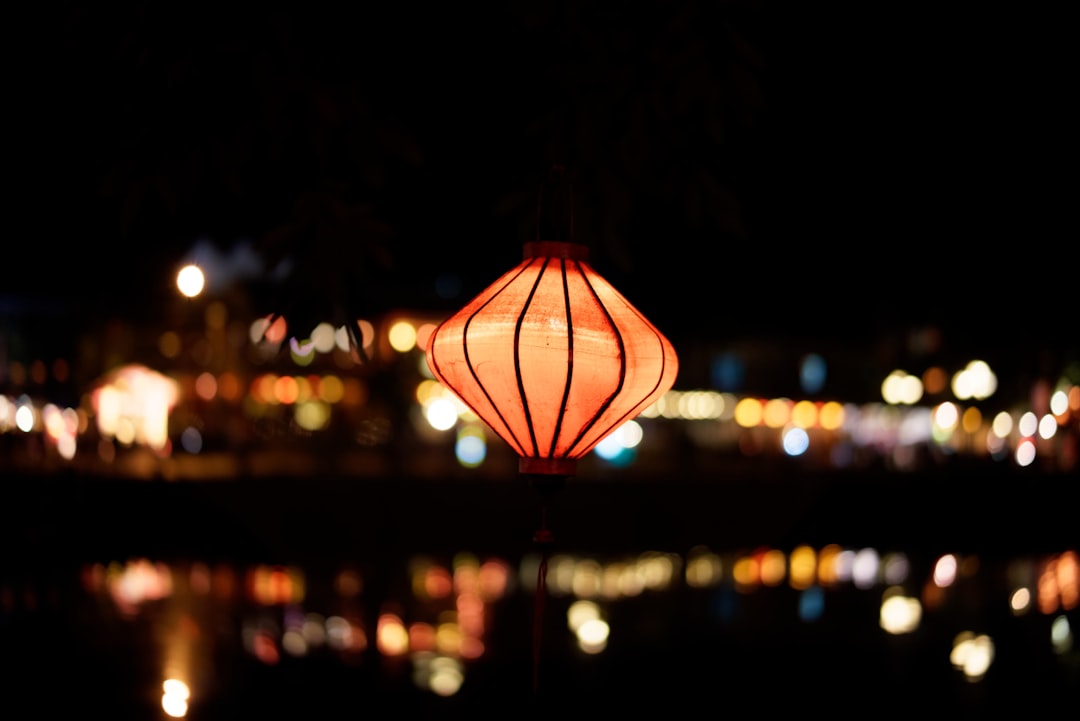
This is the one thing to protect on your itinerary no matter what else falls through. Once the sun drops, usually around 17:30-18:00 in winter, the old quarter's core streets — Nguyen Thi Minh Khai, Bach Dang, Tran Phu — switch from daytime market bustle to something closer to theater. Silk lanterns painted by hand come on one by one, cafes set out low stools facing the water, and the Thu Bon River fills with small wooden boats trailing paper lanterns for sale.
Cars and motorbikes are kept off much of this pedestrian core through the evening, which matters if you're pushing a stroller or just tired of dodging traffic. Pay a boat operator along Bach Dang street around 30,000-50,000 VND (roughly USD 1.50-2, late 2025 pricing) to float a lit paper lantern downriver, or just sit at a riverside spot like Reaching Out Teahouse's sister cafes nearby with a Vietnamese coffee and watch.
Buy the Old Town Ticket and See the Heritage Houses
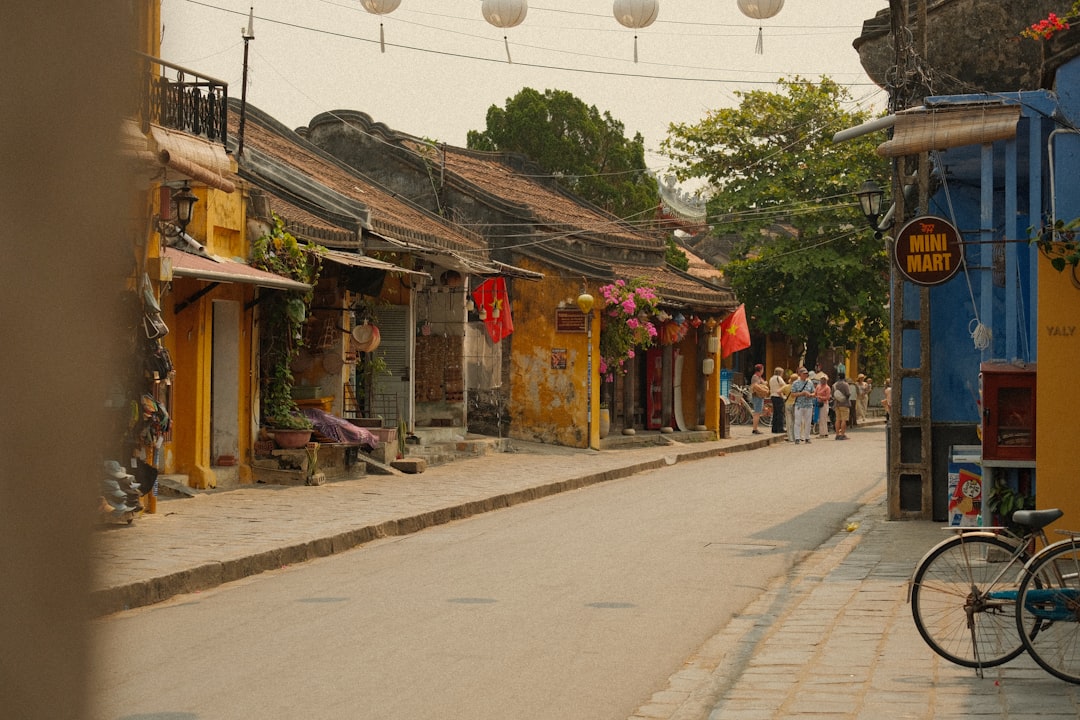
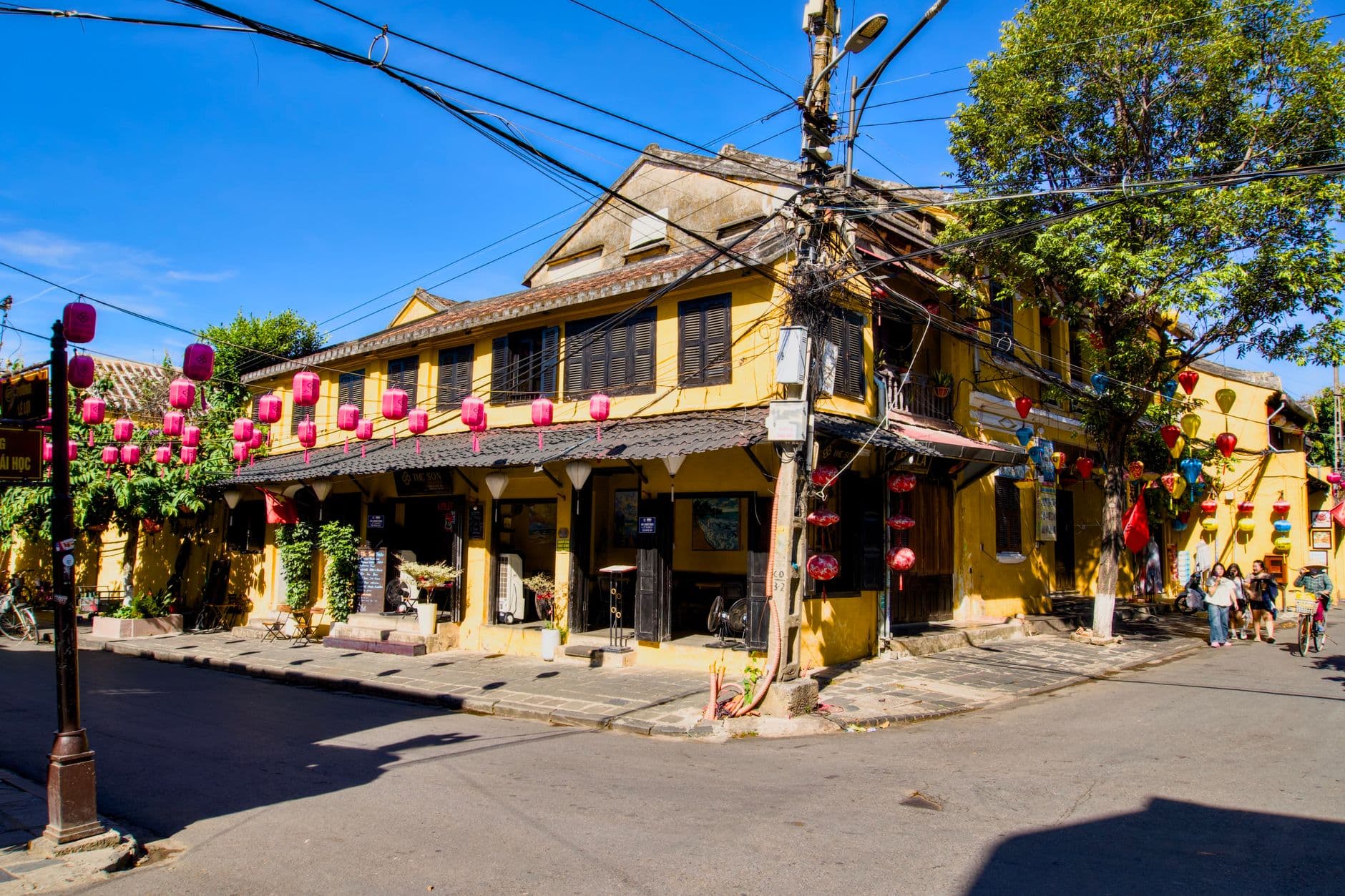
Where the lanterns hang by day — the buildings behind them
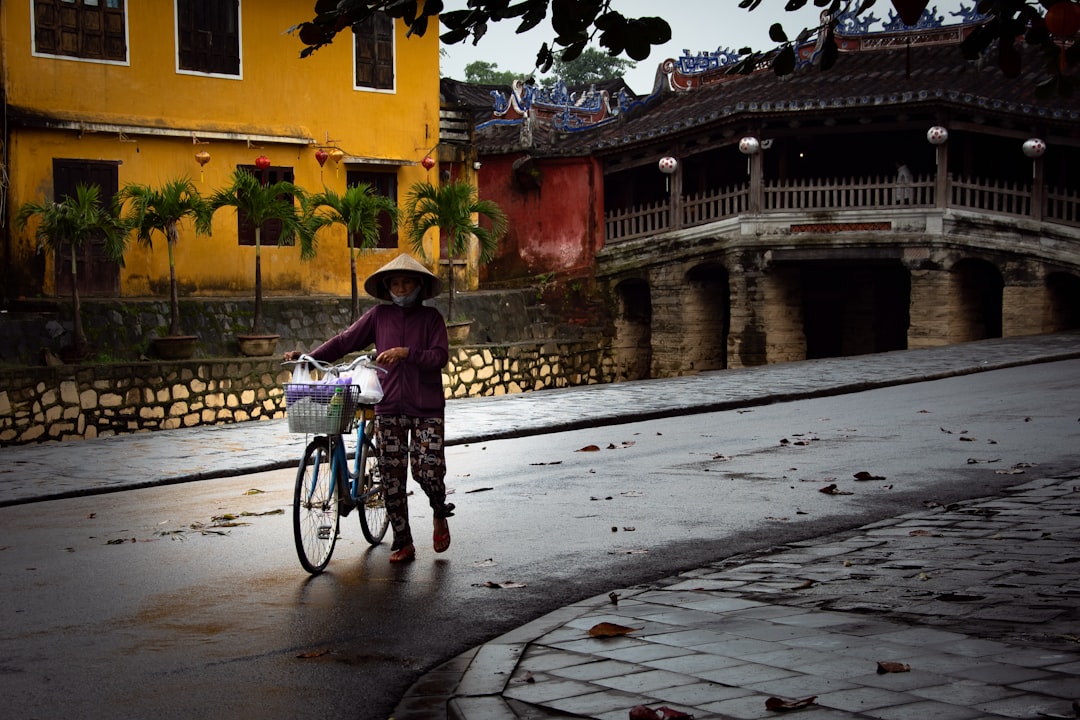
The atmosphere at night is free; the substance behind it costs a small ticket. A combined entry ticket, sold at booths around the old quarter for roughly 120,000 VND (about USD 5, late 2025), gets you into a set number of heritage sites — pick from options like the 16th-century Japanese Covered Bridge (Chua Cau), the wood-carved Tan Ky House, Phung Hung House, and the Fujian or Cantonese Assembly Halls.
Go in the morning, before roughly 10:00, when the heat and crowds are both lower and the light through the old shuttered windows is better for photos. Tan Ky House alone is worth the stop: seven generations of the same family have lived in it, and the owners' descendants often narrate the flood-line marks on the walls themselves, a habit that tells you more about this river town than any placard would.
Get Measured for Custom Tailoring
Hoi An's most practical souvenir, if you allow the time
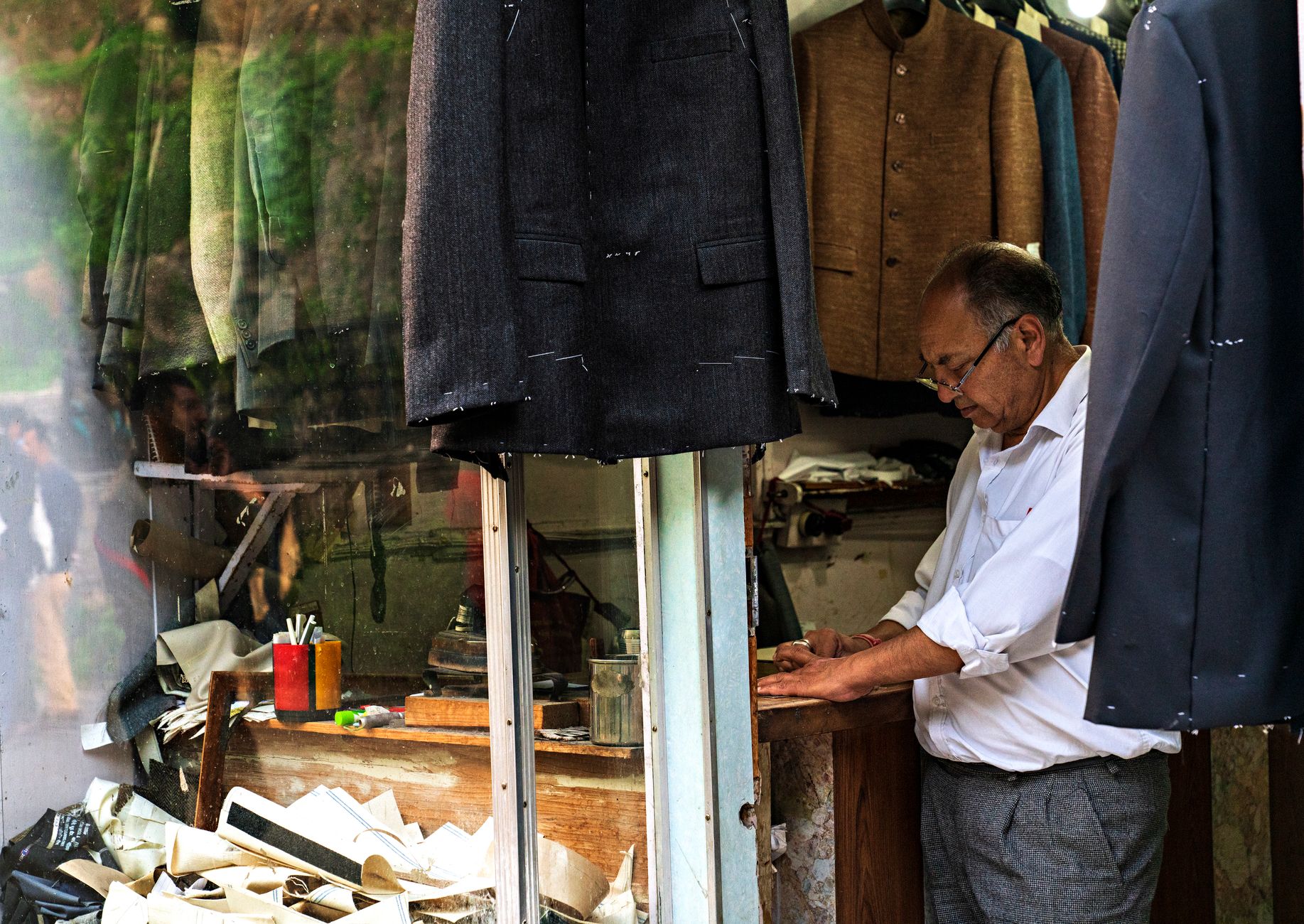
Hoi An has built a genuine reputation for fast, skilled tailoring, and it's worth using — but only if you build in a buffer. Shops like Yaly Couture on Nguyen Hue and A Dong Silk on Tran Hung Dao can turn a fitted suit or dress around in 24-48 hours, with a tailored suit typically running USD 80-200 and a dress USD 35-90 depending on fabric (late 2025 range).
The mistake most travelers make is starting the process on their last full day. Go in on day one or two of a longer stay, get measured, choose fabric, and plan for at least one fitting adjustment before you commit. Hoi An in winter's cooler air is also the more comfortable season to stand for a proper fitting than the sweltering months.
Take a Market Tour and Cooking Class
The best way to understand what's actually on the menu
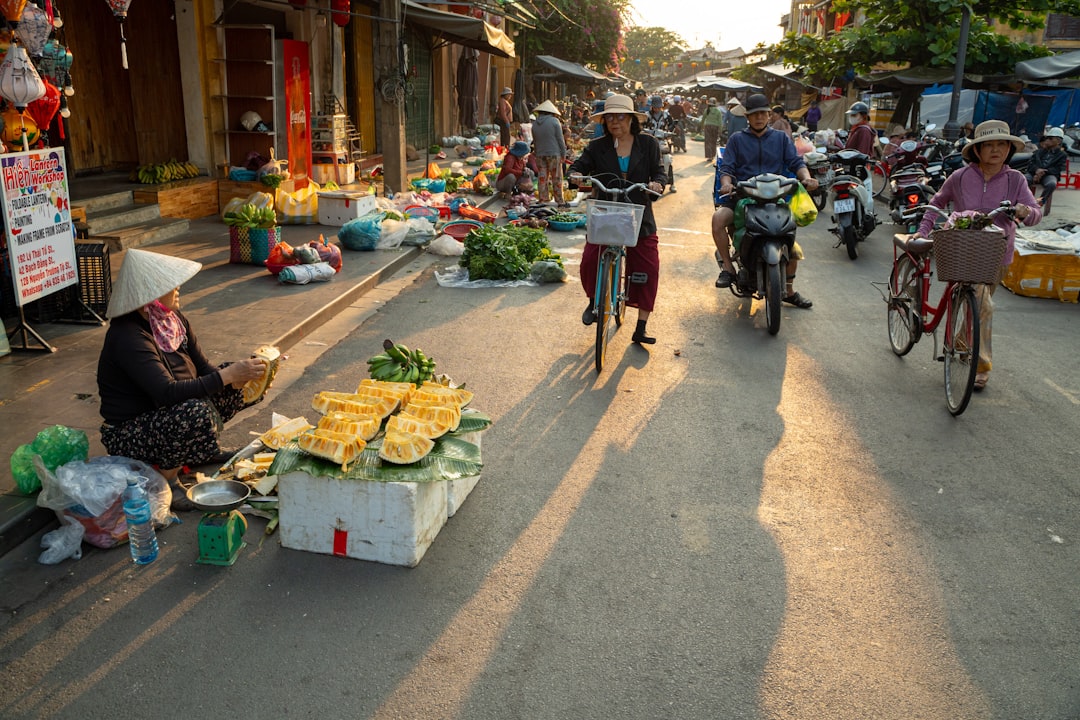
Hoi An's food identity is distinct even within Vietnam — cao lau noodles, white rose dumplings, banh mi built on a particularly good local baguette — and a half-day cooking class is the fastest way into it. Options like the classes run through Tra Que Vegetable Village or Vy's Market Restaurant & Cooking School typically run USD 25-40, run about 3-4 hours, and start with a walk through Hoi An's Central Market on Tran Phu before you cook.
Classes usually run in the morning, before the market's midday lull, and most cover four to five dishes with a guide translating what you're buying and why. It's a good rainy-day fallback too, since winter can bring an afternoon shower — you're indoors at a stove either way.
Spin a Basket Boat Through Cam Thanh's Coconut Forest
Touristy, a little silly, and still worth it
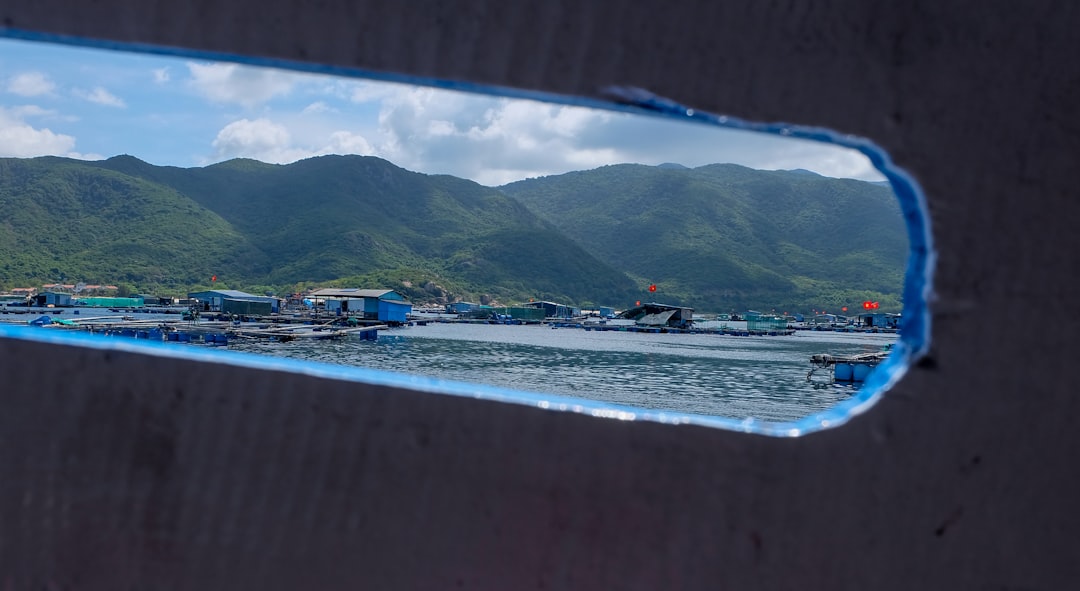
About 5km southeast of the Old Town, the Bay Mau coconut palm forest at Cam Thanh village runs basket boats — round woven vessels a rower spins in circles while the crew sings and, on a good day, does a coordinated 'dance' with paddles. It's about as far from an authentic fishing scene as it gets, and it's genuinely fun anyway, particularly with kids.
Expect to pay roughly USD 5-8 per person for a 15-20 minute spin, arranged through most tour desks in town or on arrival at the village. Getting there is a 10-15 minute drive or a flatter, roughly 20-25 minute bike ride from central Hoi An — manageable in winter's milder heat, less so in summer.
Go with someone who knows
The right suite, the right season, the reservations that never appear online — your Cordelie advisor knows them, and holds them for you.
Plan with a Cordelie advisorSpend an Afternoon at An Bang Beach
The counterpoint to the Old Town's crowds
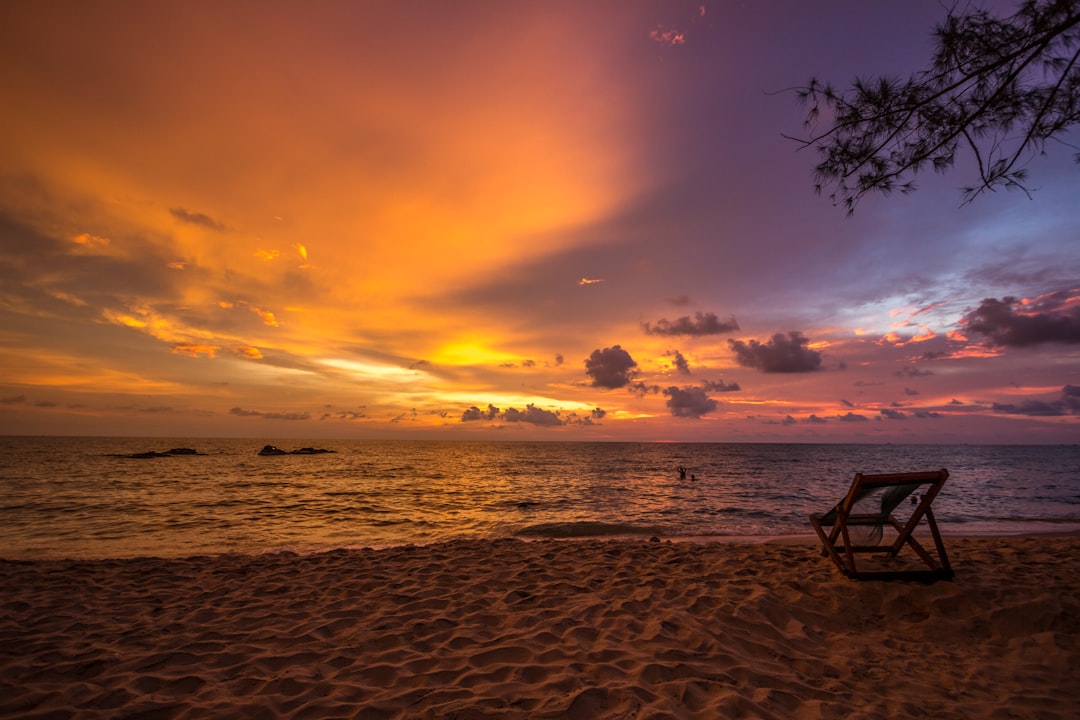
An Bang sits about 3km northeast of the Old Town, close enough for a 10-minute taxi (roughly 50,000-70,000 VND) or a flat 15-20 minute bike ride, and it's the release valve after a morning of temple-hopping and haggling. Beach clubs like Soul Kitchen and La Plage set out loungers free with a drink or food order — figure a beer or fresh coconut around 30,000-50,000 VND — and the sand itself stays walkable and uncrowded outside the busiest midday hours.
Winter water is cooler and the surf can pick up on a windy day, so it's more of a walk-and-linger beach than a swim-all-afternoon one this time of year. Sunset here, usually just before 18:00 in December and January, is quieter and arguably better than the Old Town's riverside version.
Cycle Out to Tra Que Village and Kim Bong Island
The countryside version of Hoi An, at bicycle speed

Rent a bike from your hotel or a shop on Tran Hung Dao — typically 50,000-80,000 VND for the day — and ride the roughly 3km out to Tra Que, a vegetable-growing village that still supplies much of Hoi An's herb basket. Farmers there are used to visitors and will often let you walk a plot for a small tip, and the flat rice-paddy roads make this an easy ride even for a casual cyclist.
On the way back, cross to Kim Bong carpentry village by the short public ferry from the dock near Bach Dang street, about 15,000-20,000 VND for the hop across the Thu Bon River. Kim Bong's boat-builders and woodworkers have worked this stretch of riverbank for generations, and it's a quieter, less commercial contrast to the main old quarter.
Day Trip to Marble Mountains and My Son
Worth the drive, if you have a full day to spend

My Son's brick Cham temple ruins sit roughly 40km inland from Hoi An, about an hour's drive, and entry runs around 150,000 VND (roughly USD 6, late 2025). Go early, ideally arriving by 08:00, both to beat the day-tripper buses from Da Nang and to catch better light on the sandstone carvings before midday.
The Marble Mountains, closer to Da Nang and roughly 25km from Hoi An, cost around 40,000 VND to enter and can be combined with My Son into one full day out, or paired with a stop in Da Nang itself. This is the one item on the list that eats most of a day — worth it if you have five nights or more in Hoi An, skippable if you only have two or three.
Runners-Up: What to Add If Hoi An Gets a Third or Fourth Day
If your Hoi An stay stretches past three nights, a few more places earn their spot. Hoi An's Central Market on Tran Phu street is worth a wander even without a cooking class attached — go before 08:00 for the freshest produce stalls and to watch the wholesale fish trade before the tour groups arrive.
The Precious Heritage Museum, a small private collection of ethnic-minority photography and textiles by the French-Vietnamese photographer Réhahn, sits on Phan Boi Chau street and asks for a modest donation rather than a fixed fee — a quiet, air-conditioned hour that pairs well with a hot afternoon. And for lunch, the seafood pancakes (banh xeo) and grilled skewers at the Bale Well eatery, a set-menu communal meal near Phan Chu Trinh, are a lower-key alternative to the sit-down restaurants in the main tourist strip.
Tailoring turnaround, boat charters timed to the tide and the sunset, and the handful of days each lunar month when the Old Town's electric lights go dark for the lantern festival all require timing most visitors only learn about after they've booked their flights. A Cordelie advisor builds your Hoi An stay around those windows from the start.
That means a private fitting scheduled with enough slack for a proper alteration, a sunset river cruise timed to winter's earlier dusk, and a room booked at a property like the riverside Anantara Hoi An Resort or the Old Town-adjacent Hoi An Chic that puts you close enough to walk to everything on this list. It's the difference between seeing Hoi An and having Hoi An arranged for you.
Top Pick: Walking the Ancient Town After Dark
The one non-negotiable evening in Hoi An — everything else on this list is optional next to it.
If a Hoi An trip only has room for one thing, it's the lantern-lit walk through the Ancient Town's riverside streets after the sun goes down, usually from around 17:30 in winter. It costs nothing beyond a coffee or a lantern boat ride at 30,000-50,000 VND, it works for every kind of traveler from a family with a stroller to a couple on their last night, and it's the image every other item on this list is quietly built around. Everything else — the tailoring, the cooking class, the beach — is what fills the daylight hours before you come back here.

Priya Raman has spent eleven years testing whether a destination works with a four-year-old, a teenager and a grandparent in the same party. She writes the version of the guide that accounts for nap times and still gets you to the good stuff, and travels from Toronto with a carry-on she can pack in nine minutes.
Related Articles
 destination guide
The Complete Guide to Hoi An
Lantern-lit streets, tailor shops and cao lau noodles: this complete guide covers Hoi An's Ancient Town, best time to visit, top hotels, food and a 3-day itinerary.
 trip report
My Fall in Hoi An: A Travel Story
Five fall days in Hoi An brought lantern-lit streets, a spinning basket boat ride, Marble Mountain climbs, snorkeling off the Cham Islands, and a seasonal river flood that turned the Old Town golden.