Why Winter Is the Season to Fall for the Middle East
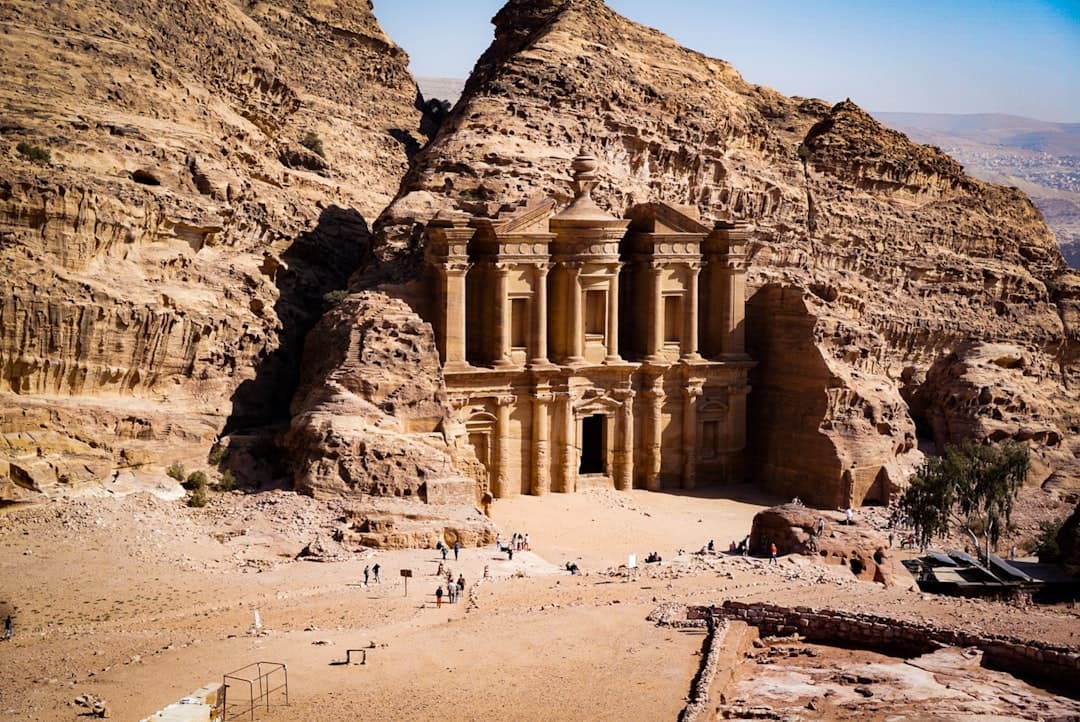
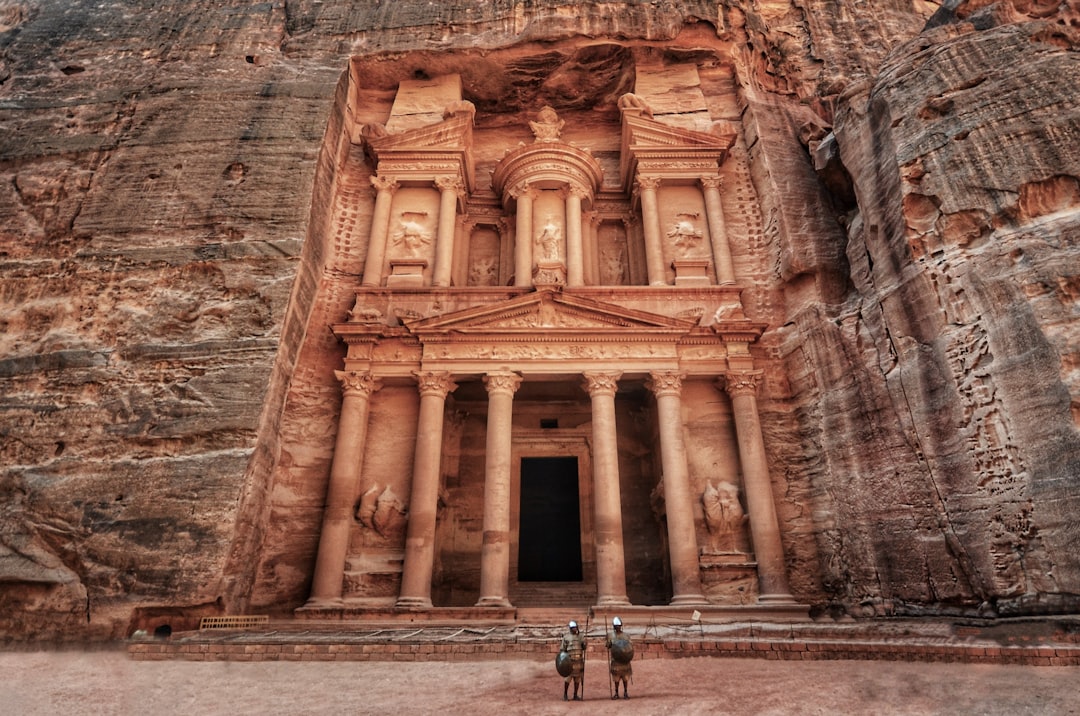
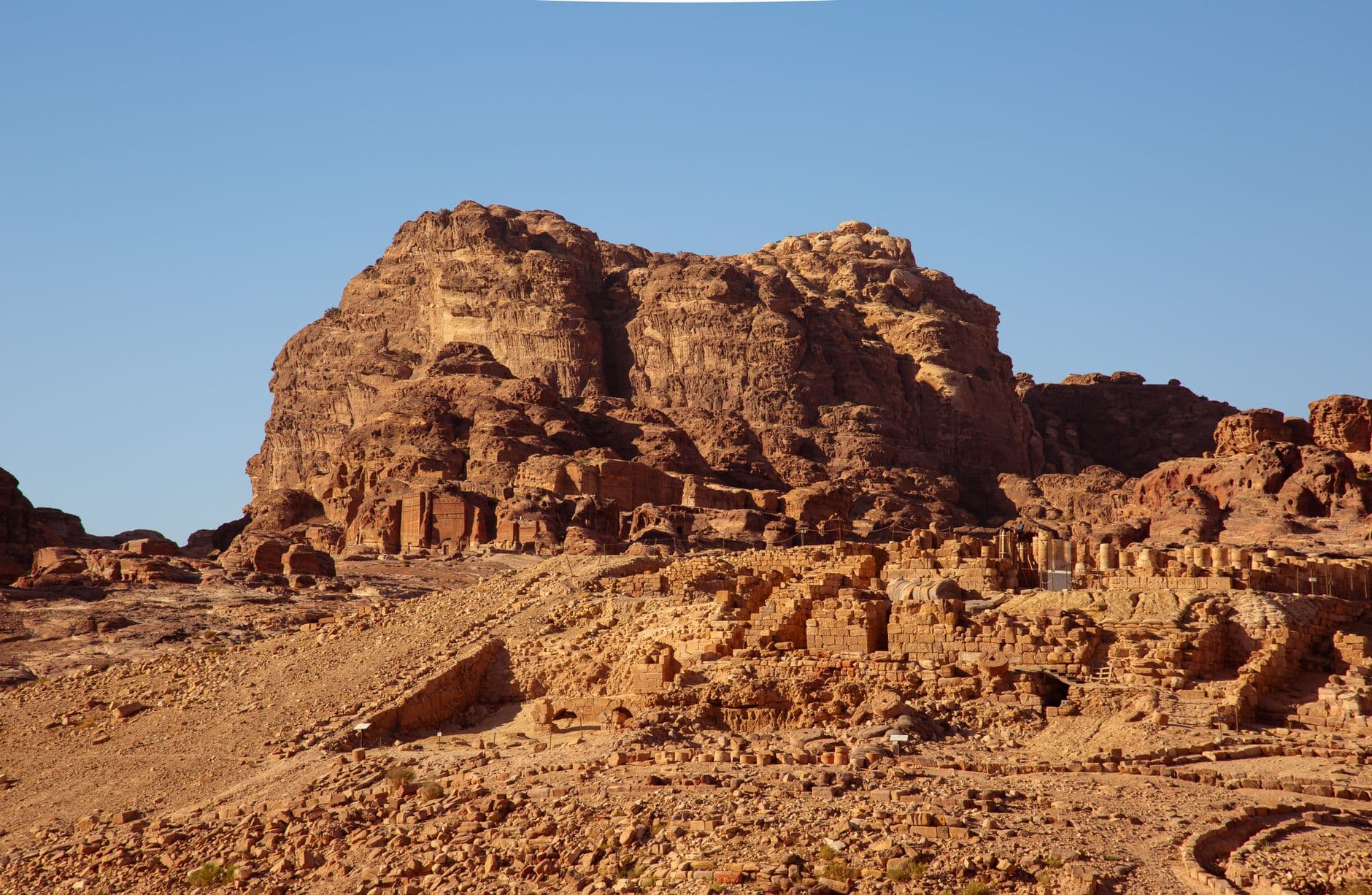
There's a moment on the walk through Petra's Siq, that narrow sandstone canyon barely wide enough for two camels to pass, when the walls suddenly part and the Treasury appears in a slice of gold. It happens fastest and clearest in winter light, when the desert sun sits lower and the crowds that swarm the site in April thin out to something you can actually feel alone in. Ninety minutes later you could be in Wadi Rum, thirty minutes further still into a Bedouin camp watching Orion rise over dunes that Lawrence of Arabia once crossed on camelback.
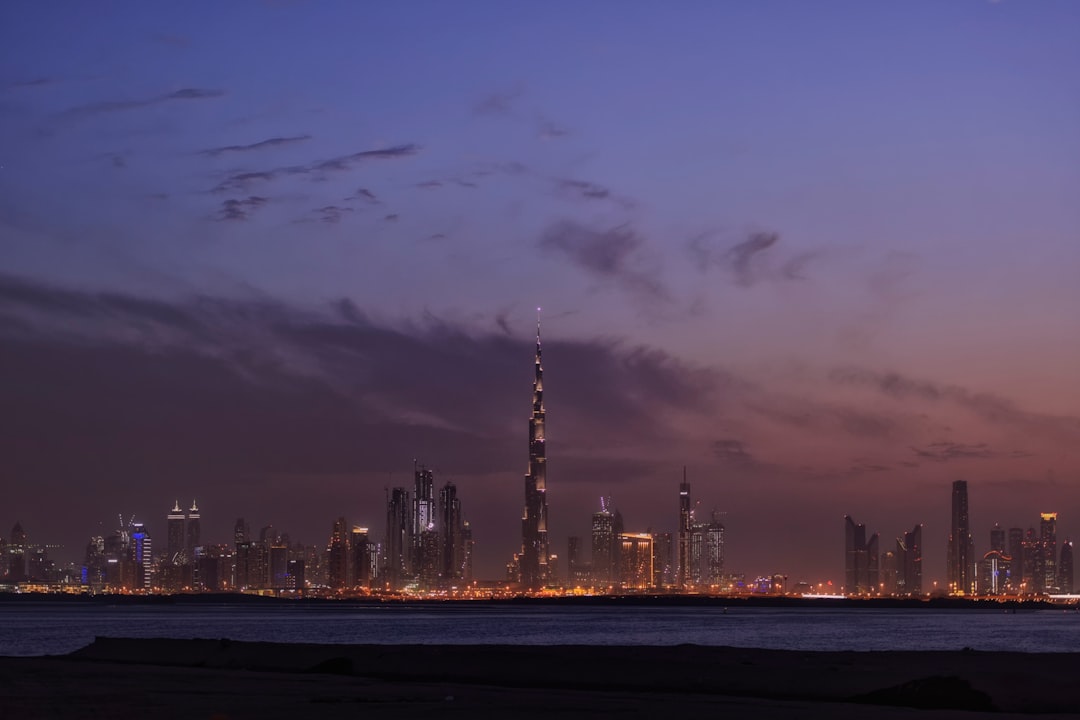
That's the pull of this region: staggering contrast within a single, manageable radius. Dubai's Burj Khalifa punches 828 metres into a sky that, three hours' flight away, shelters a 2,000-year-old Nabataean city carved straight into rock. Muscat's whitewashed corniche and Doha's Souk Waqif add coastal calm and market chaos to the same winter itinerary. None of it demands the punishing heat of a Gulf summer, because from November to March this is one of the most comfortable places on earth to be outdoors.
Middle East Quick Facts
Reading the Region's Winter Window, From Snowy Amman to Sunny Muscat
Winter here is not one climate but several. Dubai, Abu Dhabi, Doha and Muscat sit close to sea level along the Gulf and Arabian Sea, so December through February brings mild, dry days around 22-26°C and cool evenings that finally make rooftop dinners comfortable rather than sweaty. Amman and Petra, by contrast, climb into highlands where January nights can drop to 3-8°C, and a light dusting of snow on Petra's ridgelines is not unheard of in February. Pack layers for Jordan even if you're coming from a Dubai leg where shorts suffice by noon.
The calendar rewards planning. Dubai's Shopping Festival runs from mid-December into January, filling malls and fireworks displays with extra energy, while the UAE's National Day on December 2 brings drone shows and parades across Abu Dhabi and Dubai. In Jordan, Petra by Night, when the Siq and Treasury are lit by roughly 1,500 candles, runs Monday, Wednesday and Thursday evenings from around 20:30, and tickets (about JOD 17, late 2025 pricing) sell out on peak weeks, so book ahead through your hotel or a local operator rather than hoping to walk up.
Discover Southeast Asia with Cordelie Travel
Handcrafted itineraries for Bali, Thailand, Vietnam, and beyond. Expert local guides, boutique hotels, and authentic experiences.
Plan Your TripBali Temple & Beach
10-day cultural immersion with private guide
From $2,499Vietnam North to South
14-day journey from Hanoi to Ho Chi Minh
From $3,199Thailand Islands
7-day island-hopping adventure
From $1,899Petra's Treasury, Dubai's Skyline and a Night Under Wadi Rum's Stars
Petra earns its reputation the slow way. Entry for foreign visitors runs roughly JOD 50-60 (about USD 70-85) for a one-day pass, though the Jordan Pass, bought online before arrival, bundles Petra admission with the visa fee and other sites for a similar or better total cost. Budget a full day: the walk from the entrance through the Siq to the Treasury takes 25-35 minutes at an easy pace, and the further hike up roughly 800 rock-cut steps to the Monastery adds another 45-60 minutes each way, best tackled in the cooler morning hours before the sun climbs over the canyon walls.
In Dubai, the At the Top observation deck on the Burj Khalifa's 124th and 125th floors costs roughly AED 169-250 depending on the time slot, and sunset slots book out days in advance in winter, so reserve online rather than at the door. For something free and just as memorable, the Sheikh Zayed Grand Mosque in Abu Dhabi opens to visitors most days from around 09:00 to 22:00 outside prayer times, provides modest robes at the entrance, and its marble courtyard glows differently at every hour. Back across the creek in old Dubai, an abra ferry between Bur Dubai and Deira costs about AED 1 and takes five minutes, the cheapest good view in the city.
Sights Across the Region
From Bedouin Tents to Palace Suites: Where to Sleep Across the Region
Budget travelers in Jordan do well at Petra-adjacent guesthouses like the Valentine Inn, where simple rooms with breakfast run roughly JOD 20-30 a night and the owners will happily arrange a Bedouin dinner. In Wadi Rum itself, camps such as Rahayeb Desert Camp charge around JOD 45-65 per person for a half-board night in a goat-hair or canvas tent, dinner included and usually served communally around a fire. Step up to mid-range and Amman's Rove Downtown-style hotels or Petra's Mövenpick Resort, right at the site entrance, run roughly USD 150-220 a night and make the early Siq walk far easier. For a genuine splurge, the Al Bustan Palace, a Ritz-Carlton property in Muscat, and the One&Only Royal Mirage in Dubai both sit in the USD 350-900 range depending on season and room category, and both are worth booking well ahead for winter, when Gulf hotel demand peaks.
Mansaf, Mezze and the Ritual of Arabic Coffee
Jordan's national dish, mansaf, is lamb slow-cooked in a tangy fermented yogurt sauce called jameed, served over rice and flatbread and eaten, traditionally, with the right hand from a shared platter. You'll find a good version at Sufra on Rainbow Street in Amman, alongside classic mezze spreads of hummus, muhammara and warm khubz bread for roughly JOD 15-25 a head. Across the Gulf, look for Emirati luqaimat, small deep-fried dumplings drizzled with date syrup, and Omani halwa, a dense, saffron-scented sweet often served alongside qahwa, the region's cardamom-and-clove-spiced coffee poured in thimble-sized cups.
Hospitality customs matter more here than a checklist of dos and don'ts suggests. A host will often refill your coffee cup without asking, and the polite way to decline more is a slight wobble of the empty cup rather than a flat no. Dress modestly at mosques and in older neighborhoods, most tourist sites provide an abaya or robe if you arrive underdressed, and if your trip falls during Ramadan, expect restaurants to keep daytime hours quiet or closed until iftar, when the whole city seems to exhale at once.
“The desert knows no secret but the wind, and it will tell you everything if you sit still long enough to listen.”
Flights, Metros and Desert Highways: Moving Between Cities and Countries
Three airports anchor most itineraries: Dubai International (DXB), Queen Alia International near Amman (AMM), and Muscat International (MCT). Direct flights between Gulf hubs typically run 1-2 hours, while Dubai to Amman on Emirates or Royal Jordanian takes roughly 3 hours. Inside Dubai, the metro is the easiest way to skip traffic, with single fares running about AED 3-8.5 depending on distance, and both Careem and Uber operate reliably across the Gulf capitals for door-to-door trips.
Jordan rewards a rental car or a private driver more than public transport does. The Desert Highway from Amman to Petra covers about 235 km and takes roughly 3 hours; Petra to Wadi Rum is a shorter, scenic 110 km, about 90 minutes. Self-drive rentals in Jordan run around JOD 25-40 a day, though many travelers hire a driver for the Amman-Petra-Wadi Rum loop instead, since desert road conditions and checkpoint stops are easier to navigate with someone who knows the route.
A Three-Day Taste of Jordan: Amman, Petra and Wadi Rum
Amman's Citadel, Roman Theatre and Rainbow Street
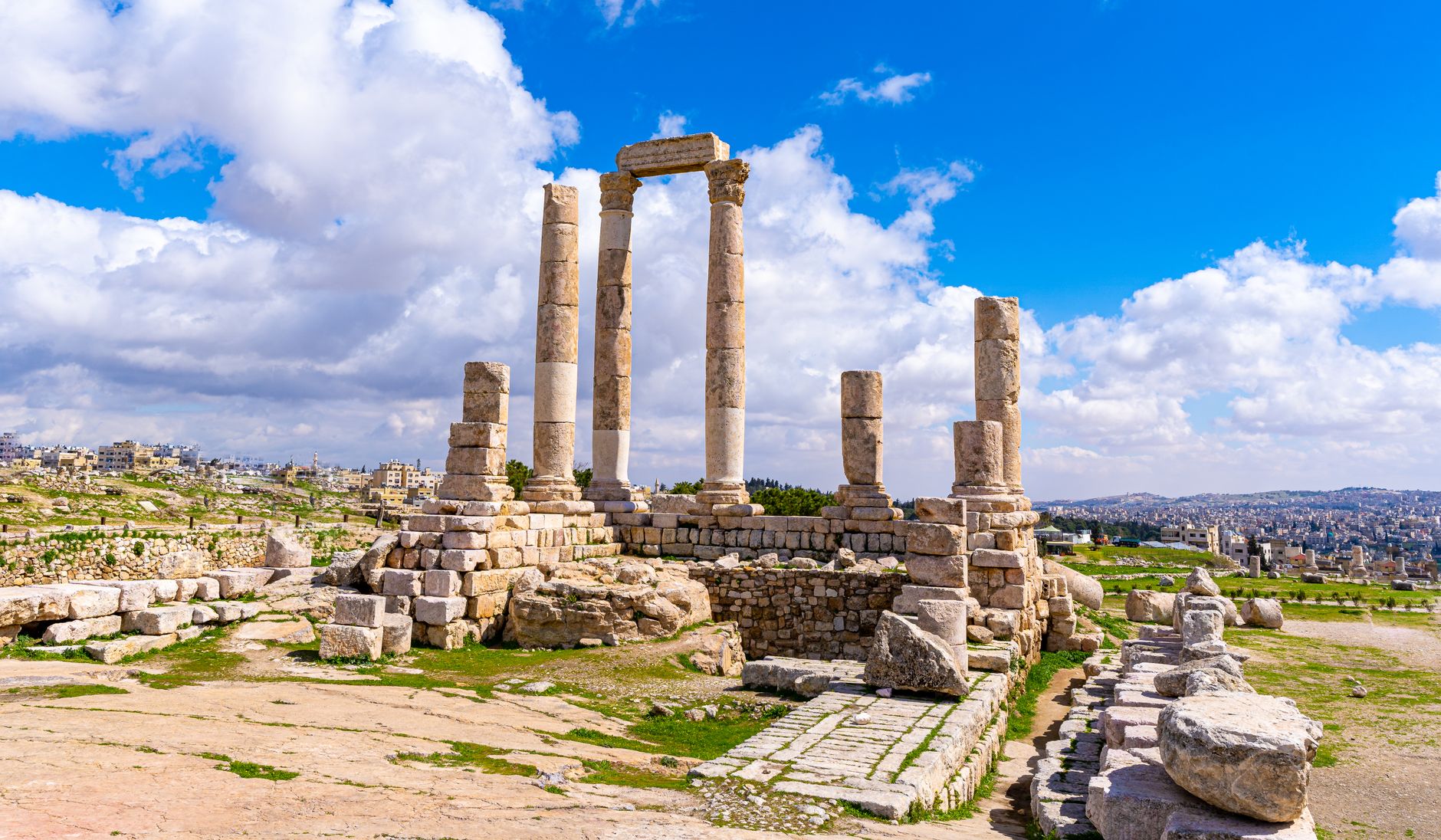
Land at Queen Alia International and settle into Amman for the afternoon. The Citadel, or Jabal al-Qal'a, sits on the city's highest hill and holds Roman, Byzantine and early Islamic ruins including the Temple of Hercules, with entry around JOD 3 and views over Amman's hillside sprawl.
Below, the 2nd-century Roman Theatre still hosts events and costs about JOD 2 to enter. Wind down with dinner at Sufra on Rainbow Street, where mezze and mansaf pair well with a walk through the neighborhood's small galleries and cafes afterward.
The Siq, the Treasury and the Climb to the Monastery
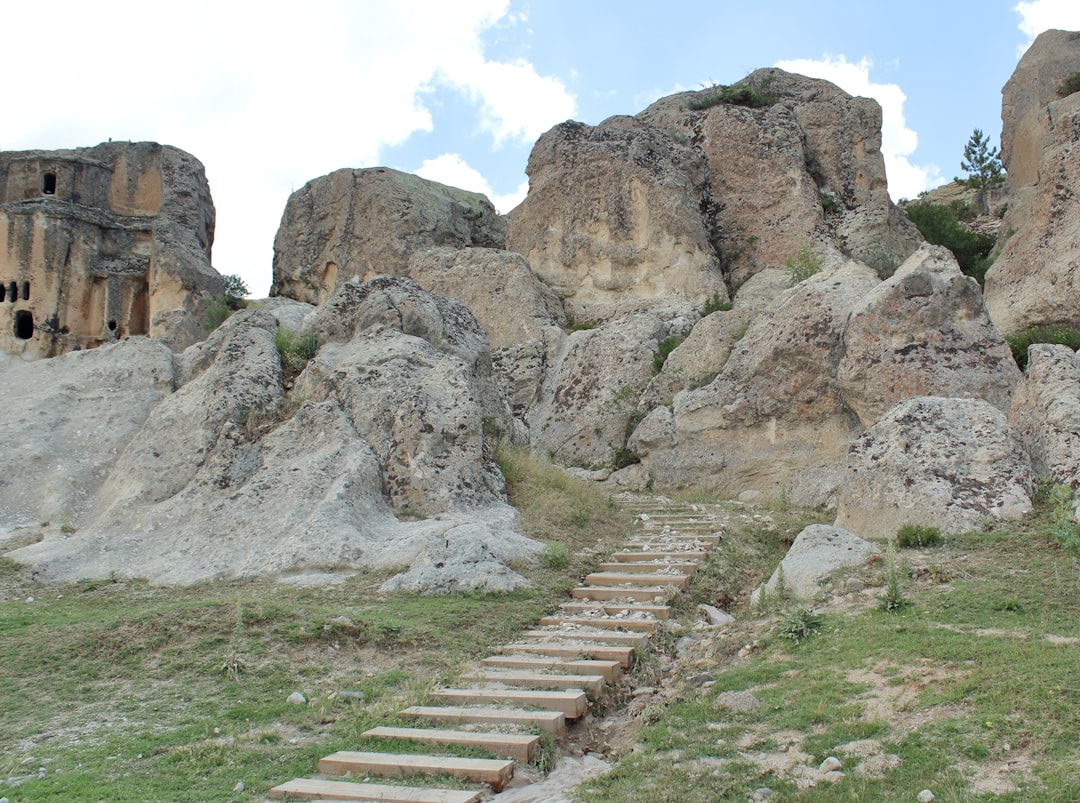
Drive the Desert Highway south to Petra, roughly 3 hours from Amman, and enter early, ideally before 08:00, to beat both the heat and the tour buses. The walk through the Siq delivers that first glimpse of the Treasury's rose-colored facade around the 25-minute mark.
Push on past the Street of Facades and the Royal Tombs, then tackle the roughly 800 steps up to the Monastery, a climb of 45-60 minutes rewarded with one of Petra's quietest, most dramatic views. If it's a Monday, Wednesday or Thursday, stay for Petra by Night, when the Siq is lit by candlelight from around 20:30.
Sunrise Over Wadi Rum, Then Floating in the Dead Sea
From Petra, it's about 90 minutes to Wadi Rum, where a jeep tour with a Bedouin guide (roughly JOD 25-40 for a few hours) takes in red dunes, Lawrence Spring and rock formations like the Seven Pillars of Wisdom.
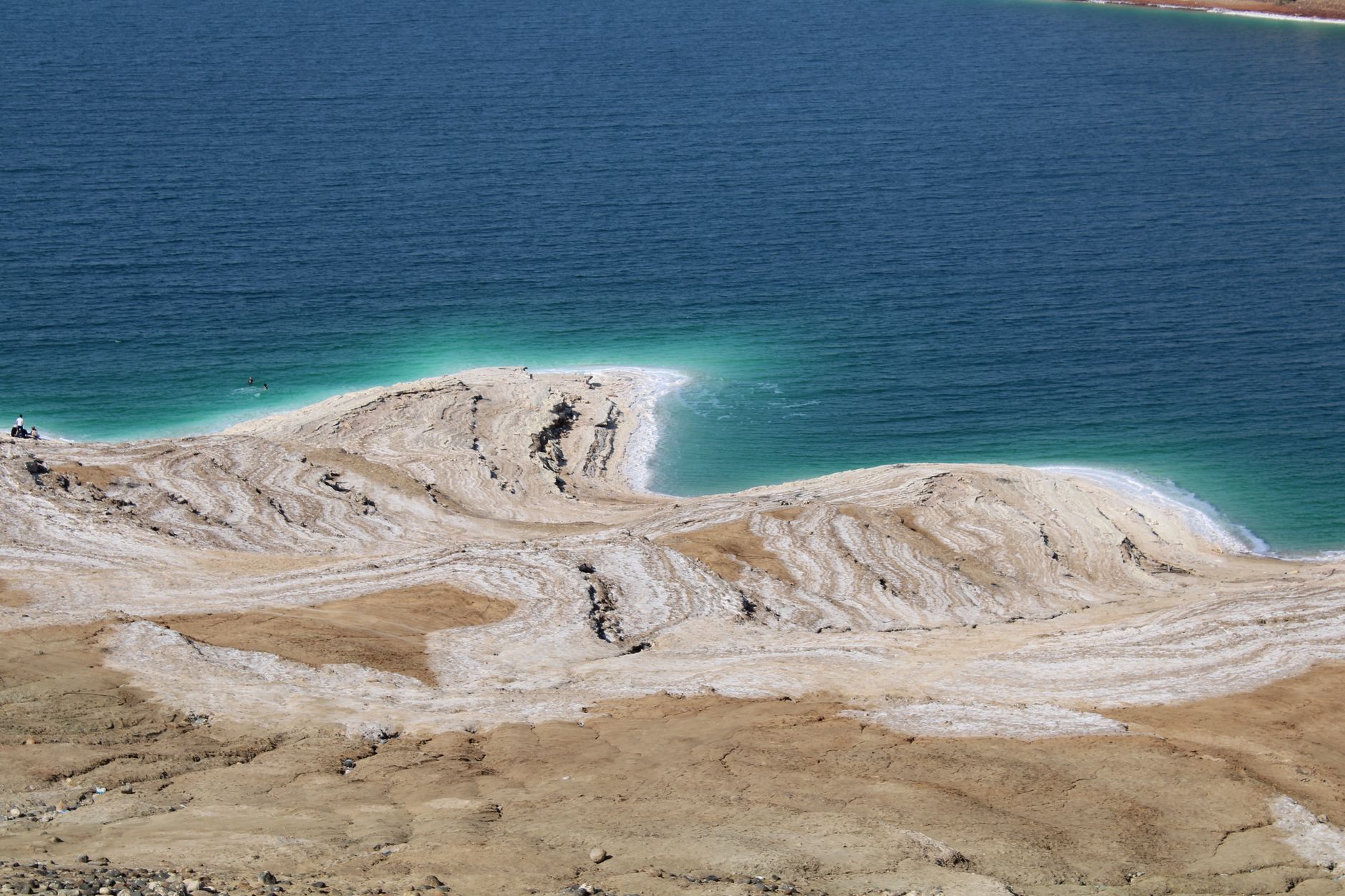
Head back north toward Amman, detouring to the Dead Sea for an hour's float in water so buoyant you can read a book while lying flat, before the roughly 45-minute drive on to Queen Alia International for an evening flight out.
Multi-country Middle East trips run into logistics most travelers don't hit at home: staggered visa rules between the UAE, Jordan and Oman, Petra by Night tickets that sell out on peak weeks, and desert camps where the good tents and the merely fine ones look identical online.
A Cordelie travel advisor can sequence flights so you're not backtracking across the Gulf, lock in a private Petra guide and upgrade you into a camp with its own generator and hot water when the Wadi Rum nights turn cold. Reach out at https://cordelie.com/contact and describe the trip you're picturing.
The Middle East in Winter: At a Glance
A region built for cool-season travel, rewarding those who mix ancient sites with modern cities in one trip.
Come between November and March, when Petra's canyon walls and Dubai's rooftops are both comfortable at midday and cool enough for a jacket by night.
Budget travelers can do a full Jordan loop, camp night included, for well under USD 100 a day outside flights; those chasing five-star Gulf hotels should expect several hundred dollars a night and book early, since winter is peak season across the region.
Cordelie Travel Advisor Tip
Planning a trip like this? Our experienced travel advisors can help you design the perfect itinerary, find the best deals, and handle all the details.
Talk to a Travel AdvisorDiscover Southeast Asia with Cordelie Travel
Handcrafted itineraries for Bali, Thailand, Vietnam, and beyond. Expert local guides, boutique hotels, and authentic experiences.
Plan Your TripBali Temple & Beach
10-day cultural immersion with private guide
From $2,499Vietnam North to South
14-day journey from Hanoi to Ho Chi Minh
From $3,199Thailand Islands
7-day island-hopping adventure
From $1,899
Asia travel specialist with over a decade of experience exploring Southeast Asia, Japan, and the Indian subcontinent. Sarah brings deep cultural knowledge and insider tips to every piece.
Related Articles
 deals promotions
Best Middle East Travel Deals This Winter
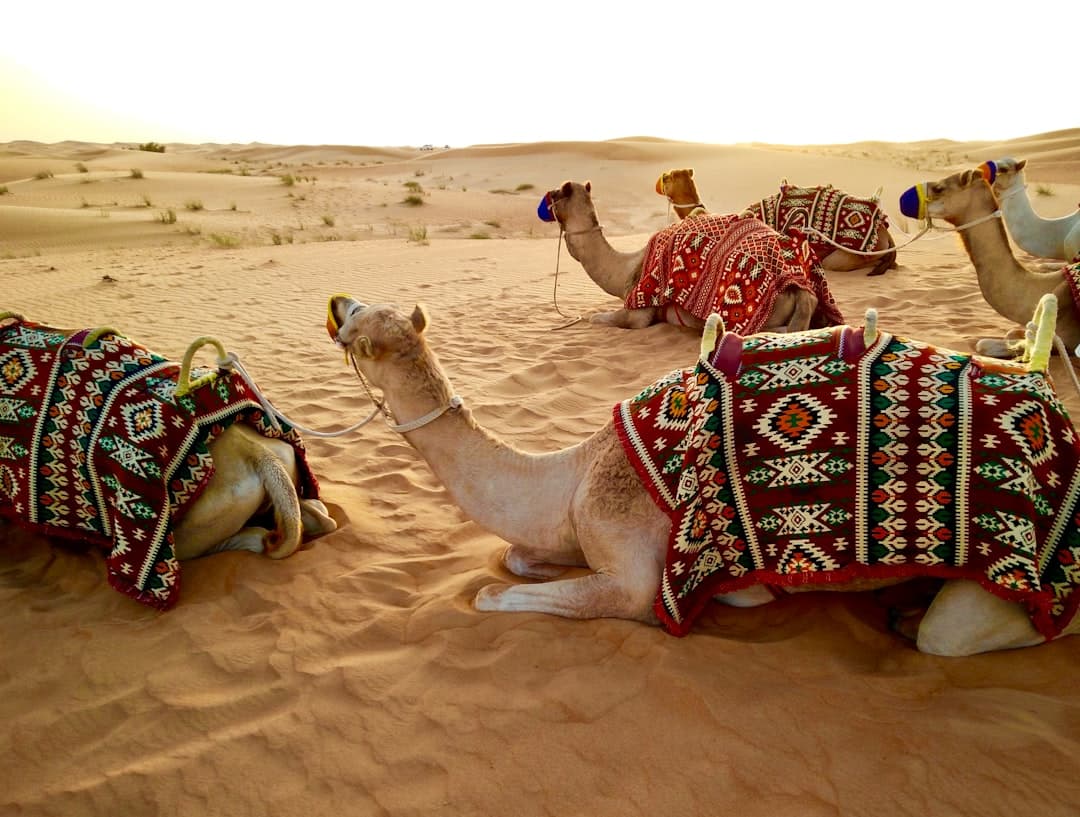
Winter Middle East deals unlock desert camps and mountain hikes at 23% off. Seven nights in Oman and UAE from $2,450 per person, December to February.
 trip report
My Winter in Middle East: A Travel Story
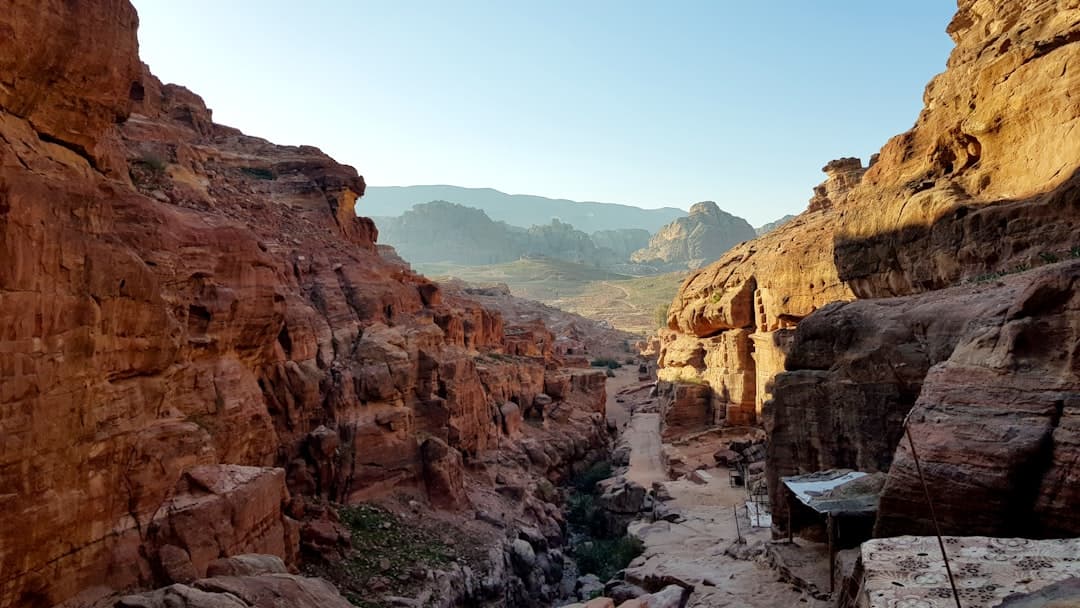
A five-day winter route through Jordan and Oman, from Petra's cool-season trails to Wadi Rum's fires and Muscat's lantern-lit souq, with real prices and logistics.
 best of list
The Best Things to Do in Middle East
Winter turns the Middle East's harshest deserts pleasant. Here's how Petra, Wadi Rum, Dubai, Jerusalem's Old City, Muscat, AlUla and the Dead Sea stack up this season.